
Playlist
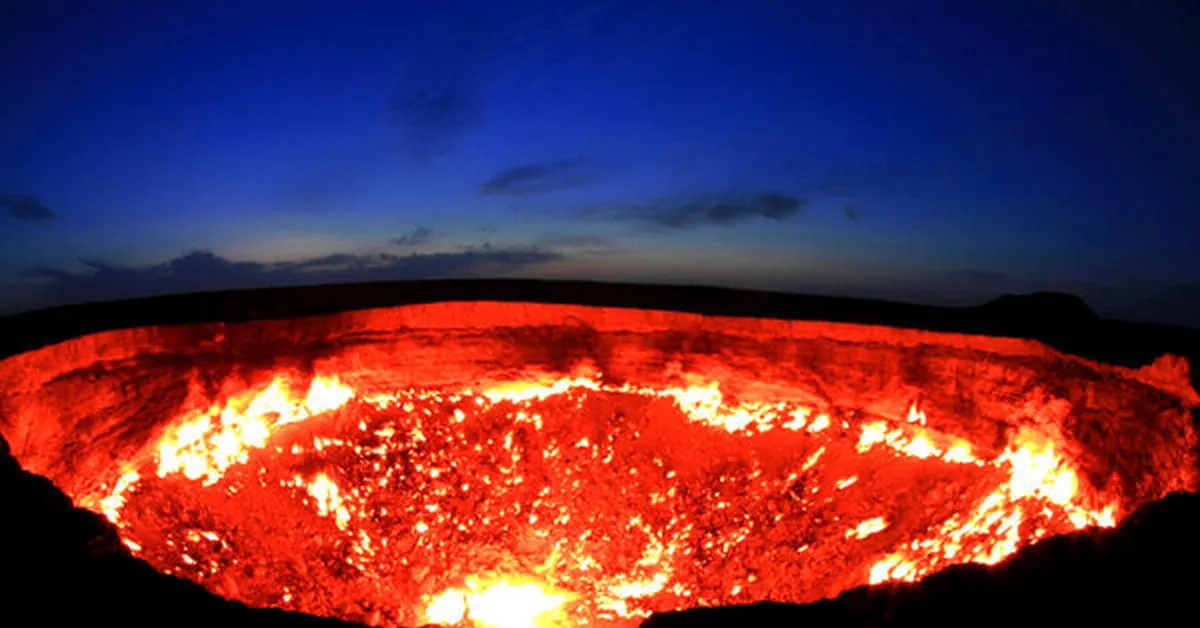
Scientists from Turkmenistan propose a solution to extinguish the long-burning Darvaza gas crater
30 Dec. 06:56Researchers from Turkmenistan have developed a practical method to eliminate the fire at the Darvaza gas crater, which has been burning continuously for over sixty years. The initiative comes from experts at the Natural Gas Research Institute of the state concern Turkmengaz. The crater is located in the central Karakum Desert, where natural gas has been escaping to the surface since the early 1960s.
The proposed strategy involves drilling a new well and redirecting underground gas flows. By intensifying gas extraction from the most productive layers, specialists in Turkmenistan managed to alter subsurface flow dynamics and significantly reduce the volume of gas feeding the crater.
Taking into account geological and hydrodynamic conditions, the researchers recommended drilling an appraisal well at the Chaljulba field. This approach has already demonstrated the possibility of lowering gas pressure and limiting its uncontrolled release toward the crater.
Officially known as the “Glow of Karakum,” the crater measures roughly 60 meters in diameter and about 20 meters in depth. It emerged following the collapse of an exploration well and lies approximately 270 kilometers from Ashgabat. The gas was initially ignited to prevent poisoning risks, but the fire persisted far longer than expected.
The prolonged combustion is attributed to the complex structure of the Zyakli–Darvaza group of gas fields, where multiple interconnected gas-bearing layers are located at depths ranging from 200 to 950 meters. These conditions enable a continuous supply of gas.
Earlier attempts to regain control over the site were unsuccessful due to gas escaping from multiple sources. Currently, nine fields in this region of Turkmenistan are under industrial development, with gas production carried out through 45 wells.
According to experts, implementing the proposed solution will completely eliminate uncontrolled atmospheric emissions, reduce environmental impact, and promote more efficient use of Turkmenistan’s natural gas resources.
Also read


Number of New International Students in the US Drops by 15%
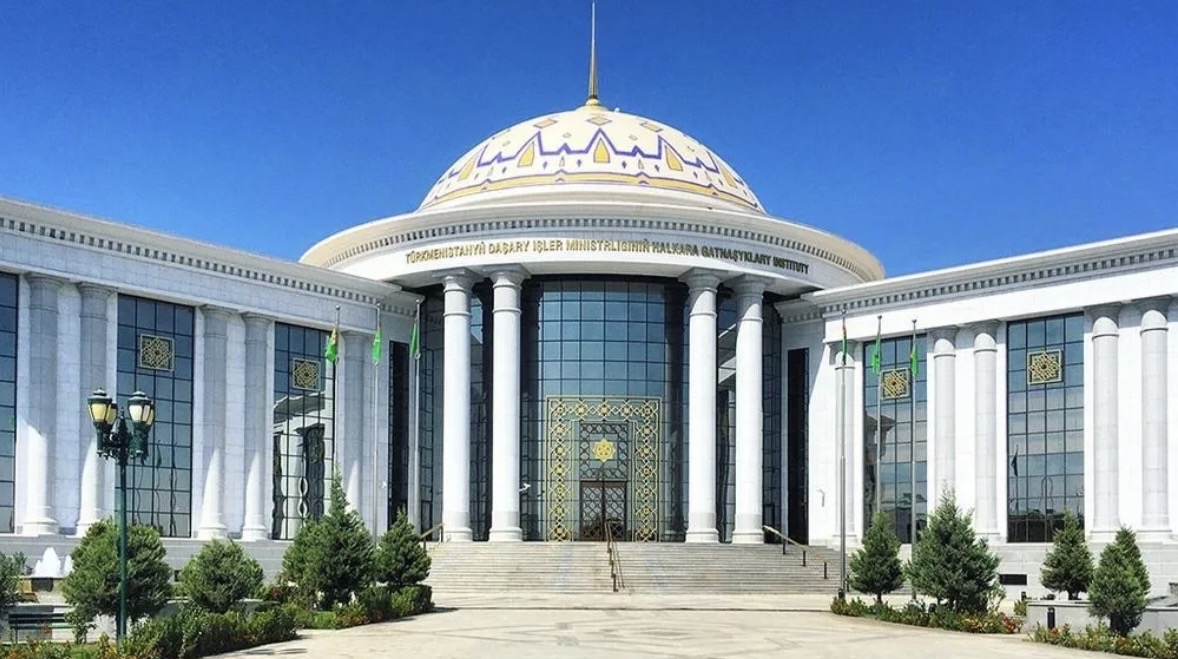
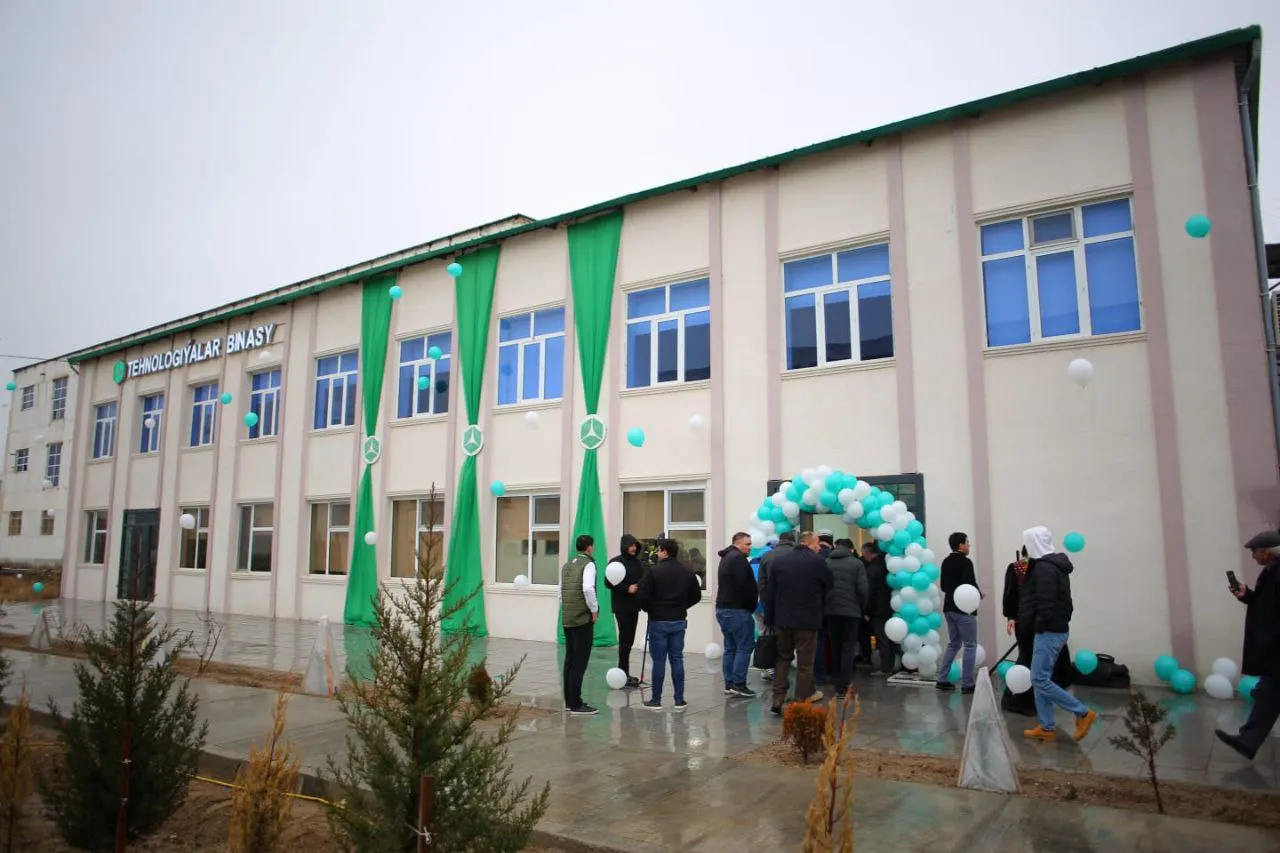
17 Nov. 17:00During the fall 2026 semester, the number of new international students enrolled in American educational institutions declined by 15% compared to the same period last year, according to CNBC. Over the entirety of the 2025–2026 academic year, the total population of international students in the United States dropped by more than 17%, with the steepest declines observed among students hailing from India and China.
Colleges surveyed by the publication attribute this downward trend to tighter US immigration policies and recent modifications governing student visa validity periods.
Data from NAFSA: Association of International Educators shows that international students contributed nearly $40 billion to the US economy during the 2025–2026 academic year. The drop in enrollment is projected to trigger financial losses of approximately $2.4 billion this academic year.
Fitch Ratings notes that shifts in visa regulations will primarily impact the financial stability of American colleges and universities. International enrollees typically pay full tuition or receive far less financial aid than domestic students. The consequences could prove especially severe for institutions heavily reliant on large master's programs and STEM (science, technology, engineering, and math) courses, which attract 57% of all international students.
Also read



Blitz