
Playlist

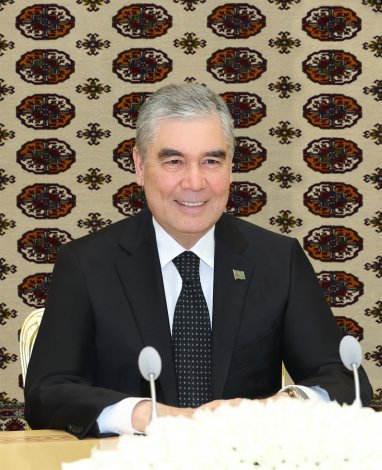
Speaking at the ceremony marking the start of the next construction phase of the TAPI (Turkmenistan–Afghanistan–Pakistan–India) gas pipeline from Serhetabat to Herat, National Leader of the Turkmen people and Chairman of the Halk Maslahaty, Gurbanguly Berdimuhamedov, announced that upon full completion, the project is expected to generate more than $1 billion annually for Afghanistan.
He emphasized the strategic importance of the pipeline for fostering economic resilience and growth across the region. Berdimuhamedov noted that the Turkmen section of the pipeline, spanning 214 kilometers, has already been successfully completed.
The new stretch to Herat Province will extend another 153 kilometers. A large fleet of over 200 units of modern equipment has been prepared for the project’s implementation. Local Afghan citizens will be engaged in construction, creating job opportunities and boosting income for local communities.
Berdimuhamedov highlighted that, aside from direct financial gains, the TAPI project will also strengthen cooperation between Turkmenistan and Afghanistan, while promoting broader regional stability and development.
He expressed gratitude to Turkmen gas workers for their contribution and thanked Afghan partners for their support and participation in the project.
“May the bonds of friendship and brotherhood between the Turkmen and Afghan peoples continue to flourish,” he concluded.
Also read
Solar Mini-Grids to Power Remote Communities Across Turkmenistan Under New Four-Million-Dollar UNDP Initiative
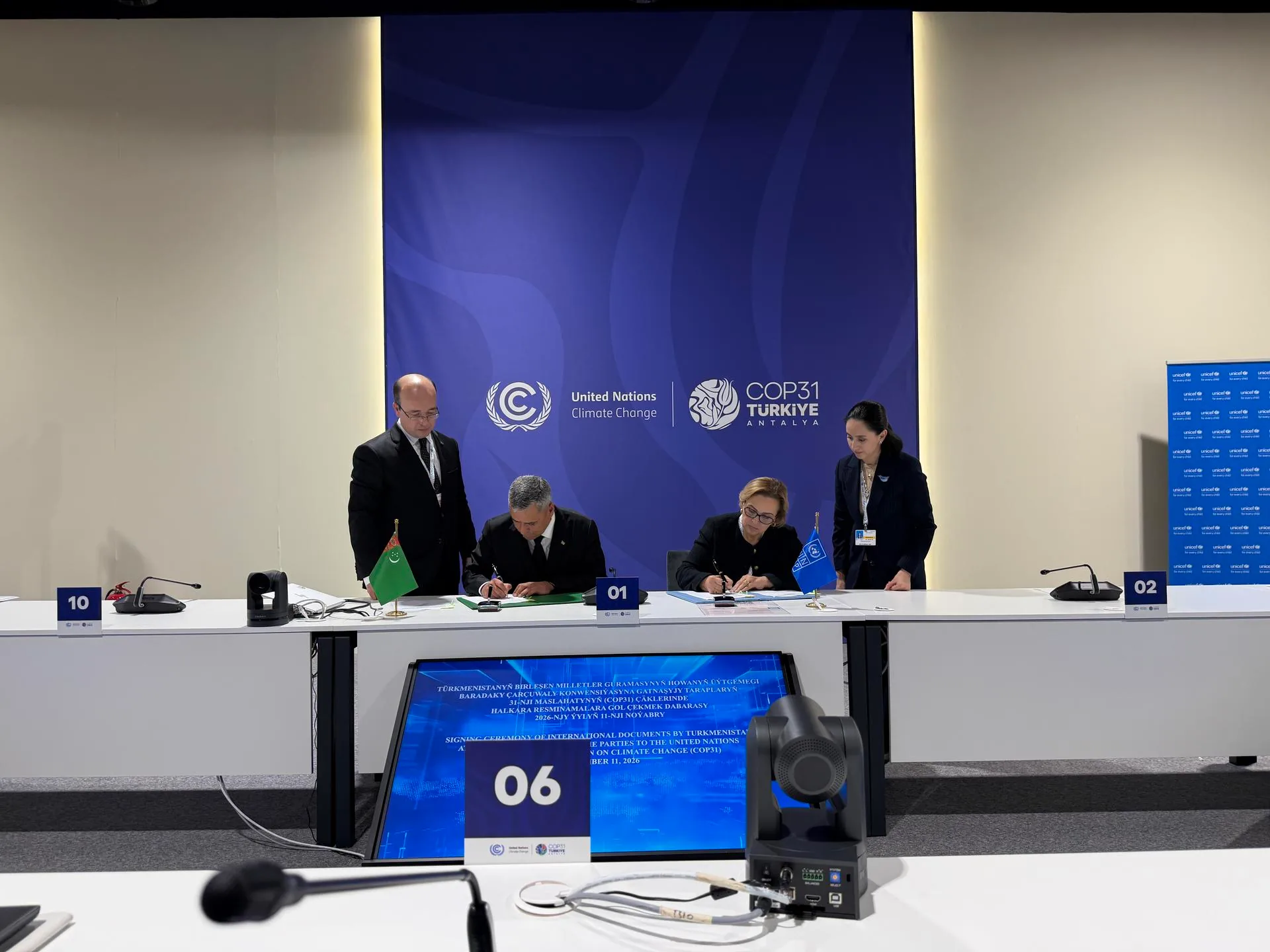
13 Nov. 14:30Following the landmark climate agreements signed on the sidelines of the COP31 conference in Antalya, the United Nations Development Programme (UNDP) has unveiled comprehensive details regarding its upcoming clean energy partnership with the Government of Turkmenistan. Backed by a Global Environment Facility (GEF) grant exceeding 4.17 million US dollars, the five-year project titled "Supporting Energy Transition for Remote Settlements of Turkmenistan" will be executed by the United Nations Office for Project Services (UNOPS) in close coordination with Turkmenistan's Ministry of Environmental Protection and Ministry of Energy.
A central pillar of the initiative involves installing and commissioning up to ten pilot solar mini-power plants with a combined capacity of up to 2 MW in isolated communities that currently rely heavily on diesel generators for electricity. These demonstration facilities will showcase the viability of solar power across Turkmenistan's remote regions and establish a blueprint for broader clean energy adoption. Building upon the operational experience gained from these initial sites, experts will conduct feasibility assessments and prepare tailored technical solutions for potentially deploying solar energy systems in an additional 120 remote settlements.
Beyond physical infrastructure, the project focuses on strengthening the regulatory and institutional framework for renewable energy, training local specialists, and expanding domestic technical expertise. UNDP Resident Representative in Turkmenistan Narine Sahakyan noted that expanding access to reliable, clean electricity significantly enhances community resilience and human well-being—particularly for women and vulnerable groups—by translating national ambitions into tangible investments. The program directly supports Turkmenistan's National Strategy for the Development of Renewable Energy through 2030, advancing the country's commitments under the Paris Agreement and the United Nations Sustainable Development Goals.
Also read



Blitz