
Playlist
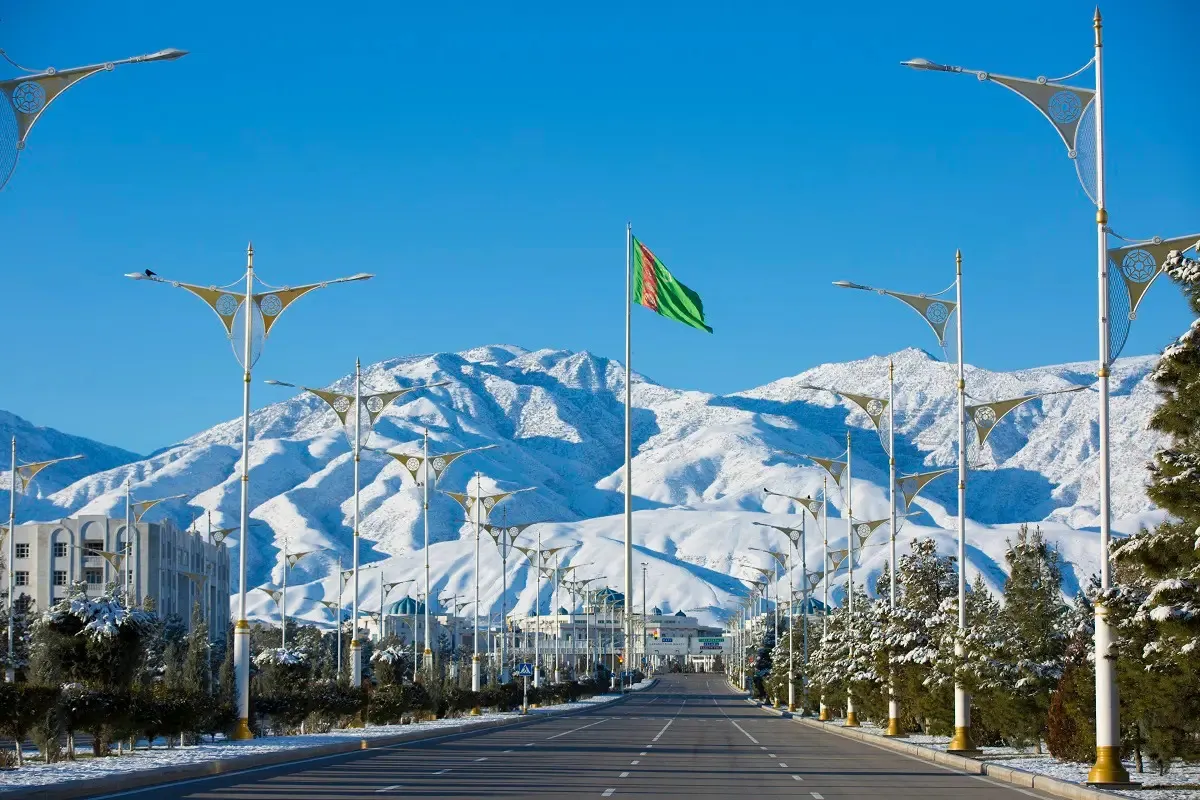
Starting from February 8, Turkmenistan enters the seasonal phase known as ahyrky garagysh, which will last until February 22. During this time, weather conditions across Turkmenistan can change dramatically from day to day. One moment may feel like the last breath of winter with snow and cold winds, while the next brings bright sunshine warming the land. According to reports published by the newspaper “Turkmenistan,” such instability is typical for this period.
Ahyrky garagysh in Turkmenistan calls for heightened caution from both farmers and livestock breeders. Spring sowing is approaching for agricultural workers, while herders are preparing for the lambing and kidding season. Special care must be given to breeding animals, ensuring calm grazing conditions and sufficient feed and water. Animals that are taken out to pasture often graze briefly before lying down to rest, so they should be handled gently. After long cold nights, the sandy soil of Turkmenistan does not warm up quickly, even by midday.
Until the full cold cycle is completed, the ground in Turkmenistan remains cool. The so-called small chill period, known for its severity, delivers its final cold spells and precipitation before giving way to ahyrky garagysh, as if passing on responsibility. This short phase, lasting only fifteen days, is expected to pass smoothly during the Year of “Independent, Permanently Neutral Turkmenistan — the homeland of swift horses and lofty aspirations.”
Although brief cold weather may occur one or two days before February 22, it will not last long. Warm spring breezes, sunny skies, and visible changes in nature signal that Turkmenistan is steadily transitioning into spring. The activity of insects, awakening wildlife, and the movements of birds all support this observation.
In the desert regions of Turkmenistan, early greenery is already appearing in sunlit areas. Plants such as chaly and cherkes are beginning to sprout, clearly indicating that spring is near. These natural signs confirm that ahyrky garagysh in Turkmenistan is likely to conclude gently.
Also read

Grand Musical Gala in Ashgabat: International Pop Stars Perform at Capital Stadium
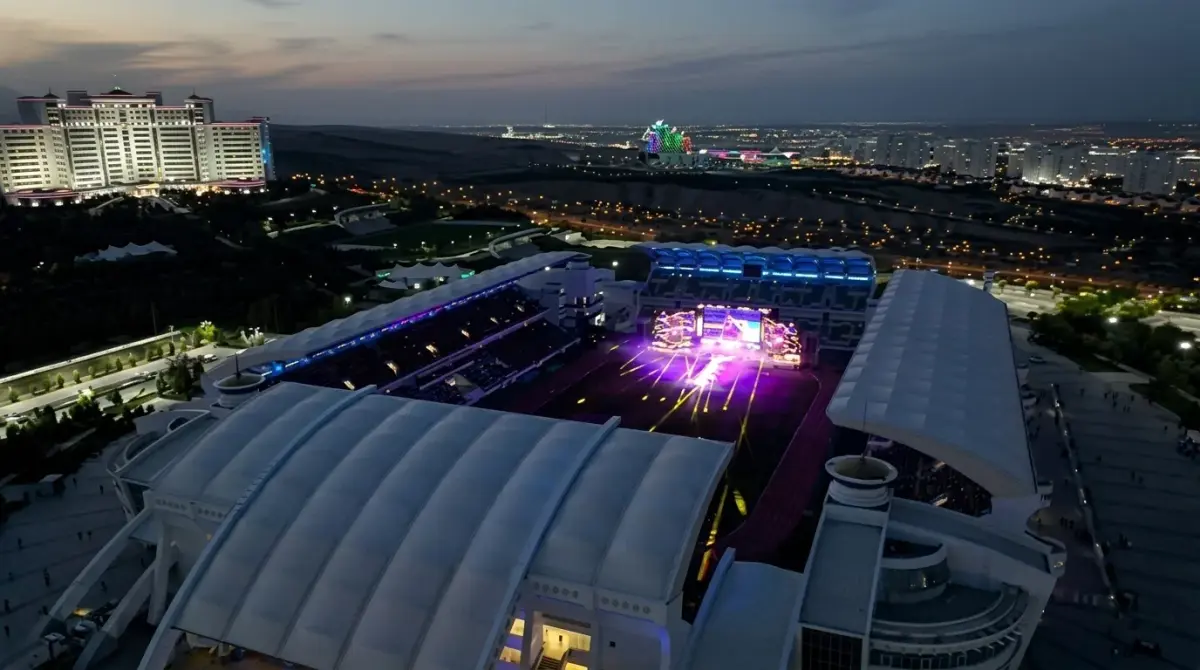
10 Oct. 06:14A festive concert featuring prominent international and domestic artists was hosted at the "Ashgabat" Multi-Purpose Stadium. The line-up included Russian Pop Star and Honored Artist of Turkmenistan Nyusha, Lebanese singer Maya Diab, Turkish pop icons Murat Boz and Hadise, along with Arsen Shakhunts. Nyusha surprised the audience by concluding her performance with the song "Bagt Nury," composed by National Leader of the Turkmen People Gurbanguly Berdimuhamedov.
Dedicated to the 35th Anniversary of Turkmenistan’s Independence, the event brought together thousands of music enthusiasts. Following their stage performances, the international guest artists expressed deep admiration for Ashgabat's urban aesthetic and the warm hospitality extended by the Turkmen public.
Also read


Blitz