
Playlist
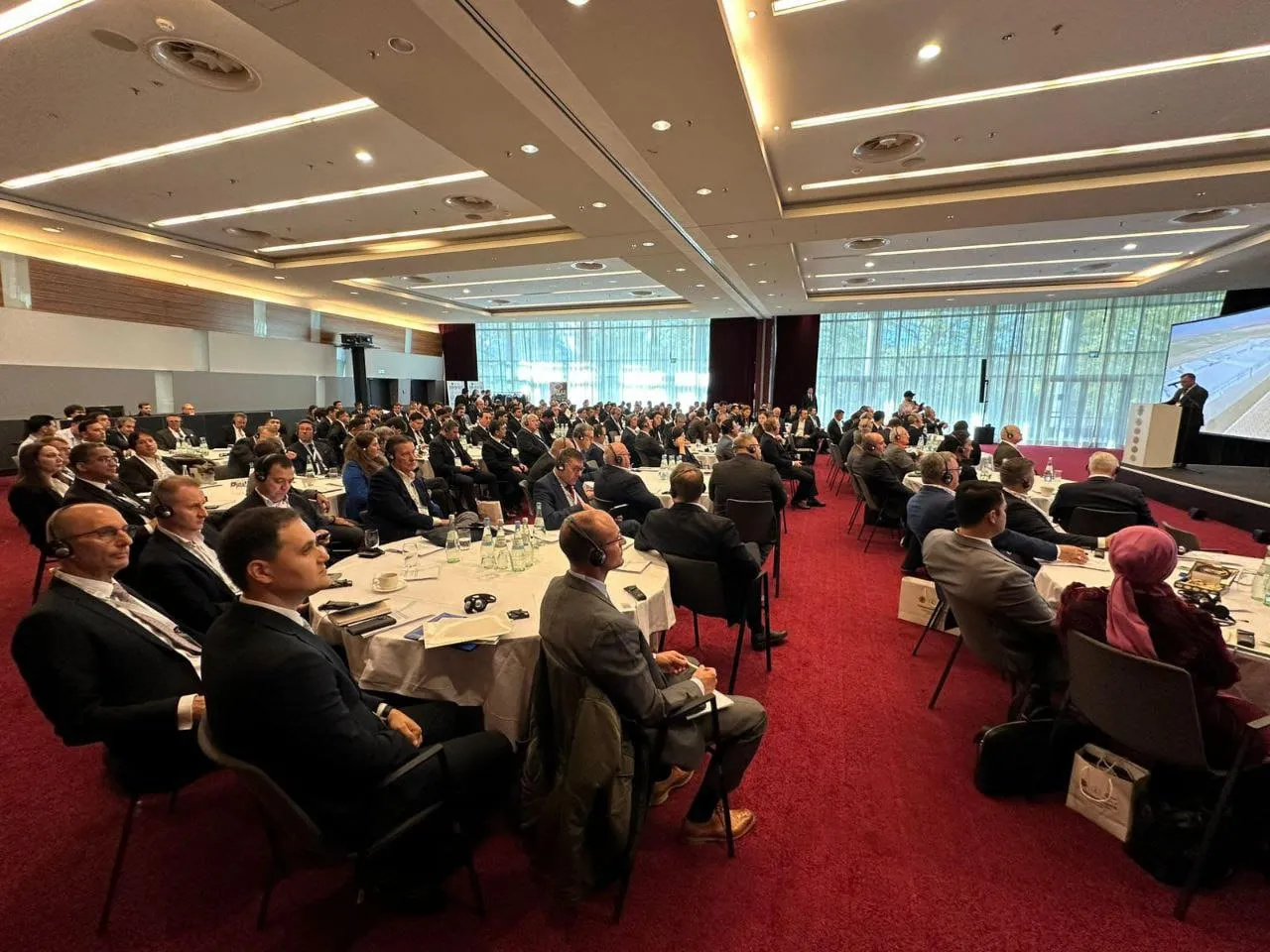
Private businesses in Turkmenistan have implemented investment projects across various economic sectors, generating approximately 500,000 new jobs, according to Deputy Chairman of the Cabinet of Ministers Nokerguly Atagulyev. He spoke about this during Turkmenistan Economic Days in Germany.
The deputy prime minister highlighted the role of the Union of Industrialists and Entrepreneurs of Turkmenistan, which actively participates in international forums. “Founded in 2008, the Union now includes over 29,000 members and has become a powerful association of entrepreneurs operating in nearly all sectors of the economy,” Atagulyev noted.
He emphasized that, with state support, the private sector plays a key role in the country’s socio-economic transformations. “Entrepreneurs, using their own funds, loans, and investments, have built and launched modern factories and plants across different industries. These projects created about 500,000 new jobs,” he said.
Atagulyev also mentioned that the products of these enterprises not only supply the domestic market but are also exported abroad.
Turkmenistan Economic Days are held on October 30–31 in Frankfurt am Main, organized by the Turkmen Chamber of Commerce and Industry in collaboration with TMT Consulting Group.
Also read

Turkmenistan’s National Money Supply Grows by 27.6 Percent to Reach 77 Billion Manats
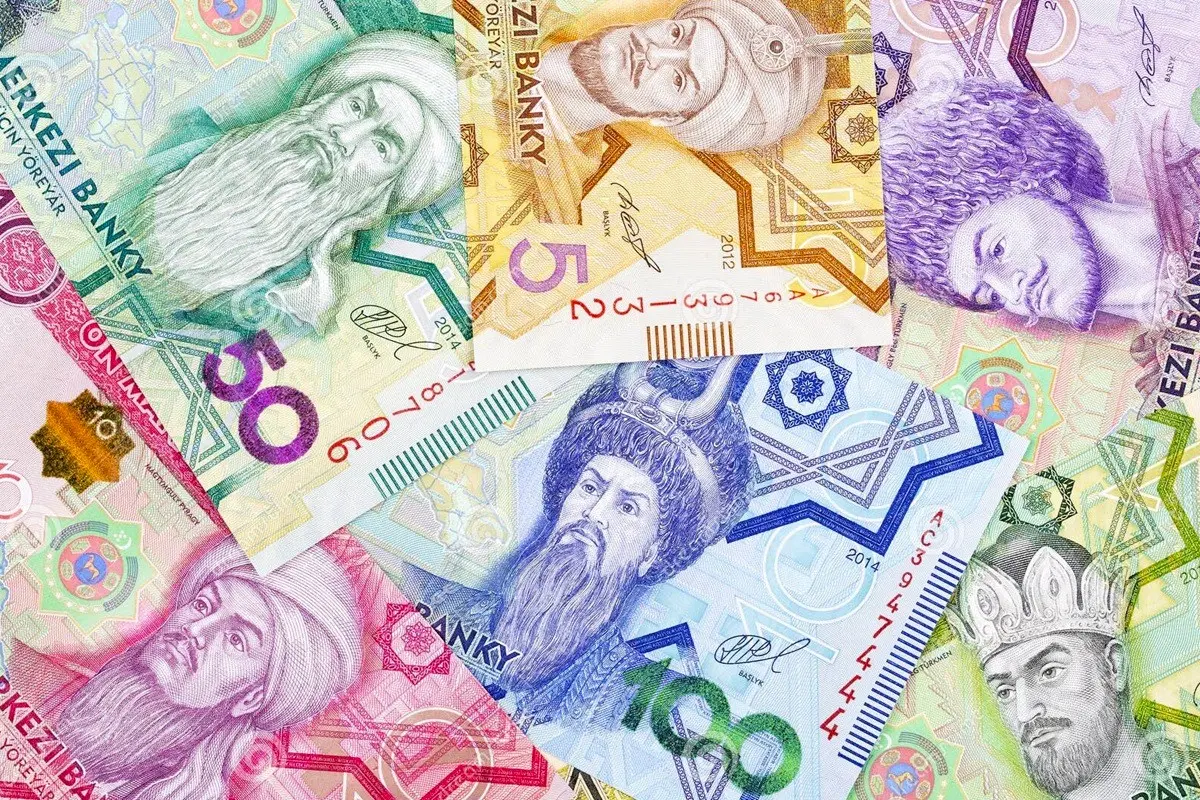
13 Nov. 06:15Turkmenistan’s transition into a new phase of economic development continues to strengthen the role of the national currency across domestic financial and industrial sectors. According to an analytical report published in today’s edition of the newspaper "Türkmenistan," the country’s money supply recorded steady expansion over the past four years. While the total national money supply stood at 60.3 billion manats as of October 1, 2022, it climbed to 77.0 billion manats by October 1, 2026, reflecting a notable 27.6 percent increase.
This substantial growth in domestic currency liquidity provides vital momentum for executing comprehensive national development strategies. The expanded financial capacity supports ongoing economic diversification, the establishment of new industrial facilities, increased manufacturing output, and targeted support for private entrepreneurship. Furthermore, the strengthened monetary base enhances commercial banking activity, accelerates the transition toward a digital economy, and broadens Turkmenistan’s international economic partnerships.
The report emphasizes that the long-term effectiveness of these large-scale initiatives relies fundamentally on the stability and resilience of the nation's financial and banking institutions, which maintain balanced currency circulation while fueling sustainable growth across the real economy.
Also read



Blitz