
Playlist
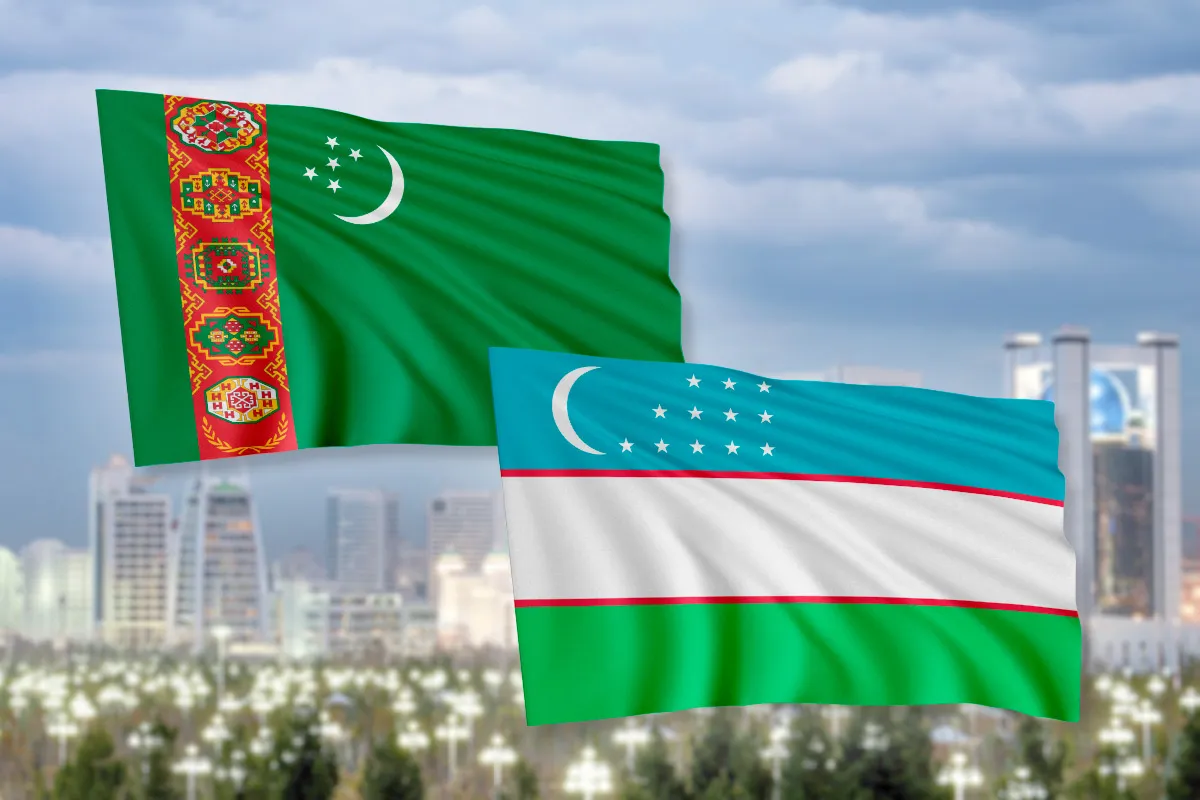
Turkmenistan and Uzbekistan Discuss Strategic Prospects for Migration Cooperation
13 Mar. 09:26A high-level working meeting recently took place between representatives of the State Migration Service of Turkmenistan and the Embassy of the Republic of Uzbekistan. This session served as a platform to review the priority areas of bilateral relations within the migration sector, emphasizing the need for streamlined administrative processes to support the growing regional connectivity. The dialogue underscored both nations' commitment to enhancing the legal framework that governs the movement of people, ensuring it aligns with contemporary international standards and mutual strategic interests.
During the exchange, the participants explored the future of Turkmen-Uzbek cooperation, focusing on innovative opportunities for institutional development. Key topics included the potential for joint initiatives in managing labor migration and the facilitation of cross-border travel for academic and cultural purposes. The representatives discussed the implementation of advanced electronic monitoring systems and the harmonization of visa regulations, which are essential for supporting the vibrant economic corridor between Ashgabat and Tashkent.
The historical and fraternal nature of the relationship between the two countries was a central theme throughout the meeting. Both parties highlighted that the dynamic growth of bilateral cooperation is rooted in centuries-old traditions of friendship and good neighborliness. This solid foundation allows for a proactive approach to addressing migration challenges, fostering a climate of trust where issues are resolved through constructive dialogue and mutual respect for national sovereignty and legislative frameworks.
The meeting concluded with a shared vision for the steady development of cooperation in the migration sphere. The participants expressed their confidence that the ongoing partnership would significantly contribute to the socio-economic prosperity of both nations. A commitment was made to maintain regular contact and organize future consultations to monitor the progress of joint activities. This engagement reinforces Turkmenistan’s and Uzbekistan’s roles as stable partners dedicated to promoting safe, orderly, and legal migration across their shared borders.
Also read


Solar Mini-Grids to Power Remote Communities Across Turkmenistan Under New Four-Million-Dollar UNDP Initiative
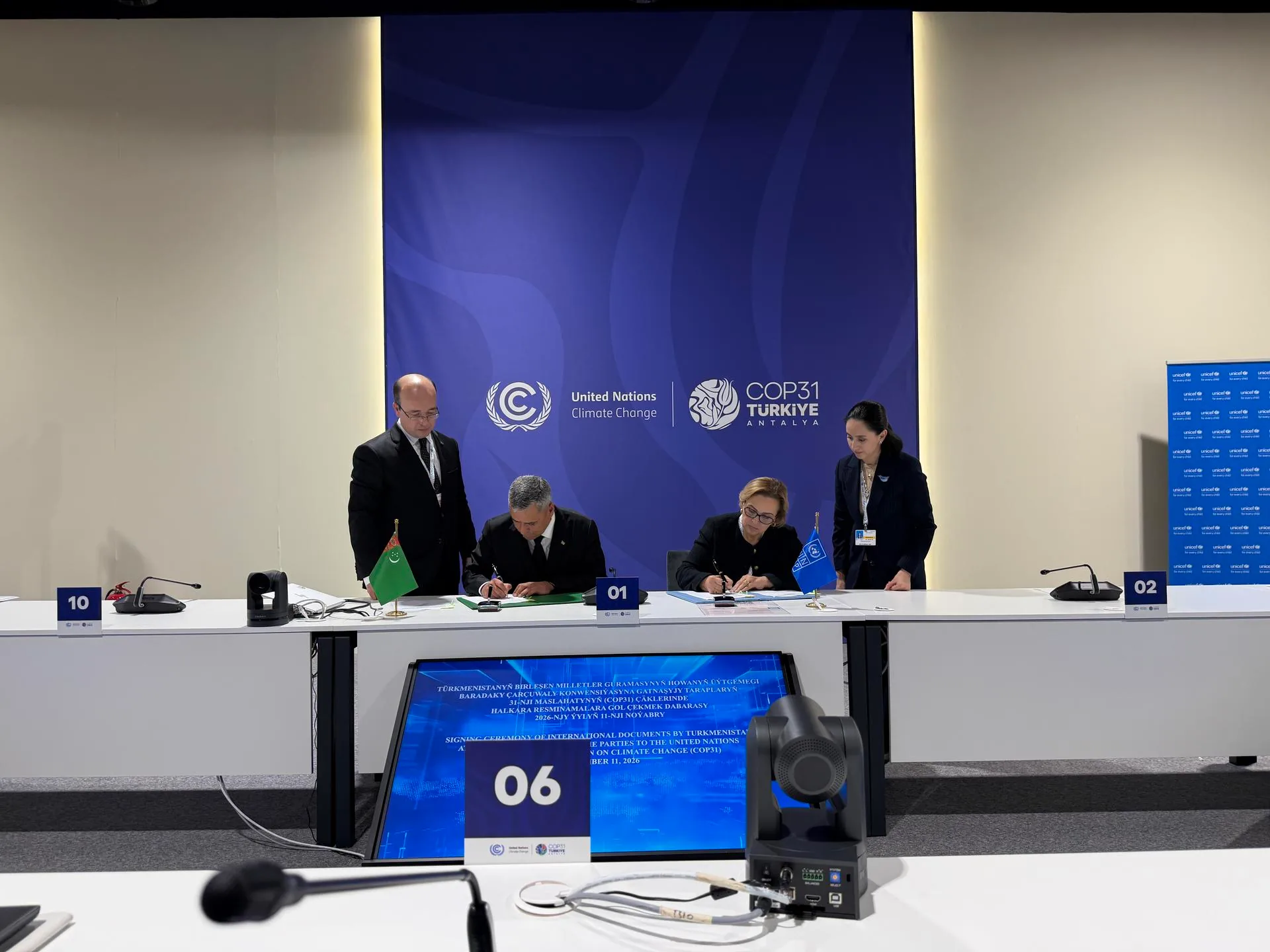
13 Nov. 14:30Following the landmark climate agreements signed on the sidelines of the COP31 conference in Antalya, the United Nations Development Programme (UNDP) has unveiled comprehensive details regarding its upcoming clean energy partnership with the Government of Turkmenistan. Backed by a Global Environment Facility (GEF) grant exceeding 4.17 million US dollars, the five-year project titled "Supporting Energy Transition for Remote Settlements of Turkmenistan" will be executed by the United Nations Office for Project Services (UNOPS) in close coordination with Turkmenistan's Ministry of Environmental Protection and Ministry of Energy.
A central pillar of the initiative involves installing and commissioning up to ten pilot solar mini-power plants with a combined capacity of up to 2 MW in isolated communities that currently rely heavily on diesel generators for electricity. These demonstration facilities will showcase the viability of solar power across Turkmenistan's remote regions and establish a blueprint for broader clean energy adoption. Building upon the operational experience gained from these initial sites, experts will conduct feasibility assessments and prepare tailored technical solutions for potentially deploying solar energy systems in an additional 120 remote settlements.
Beyond physical infrastructure, the project focuses on strengthening the regulatory and institutional framework for renewable energy, training local specialists, and expanding domestic technical expertise. UNDP Resident Representative in Turkmenistan Narine Sahakyan noted that expanding access to reliable, clean electricity significantly enhances community resilience and human well-being—particularly for women and vulnerable groups—by translating national ambitions into tangible investments. The program directly supports Turkmenistan's National Strategy for the Development of Renewable Energy through 2030, advancing the country's commitments under the Paris Agreement and the United Nations Sustainable Development Goals.
Also read

Blitz