
Playlist
Talented Youth Shine at Intellectual Competition in Balkanabat — «Brain-ring»
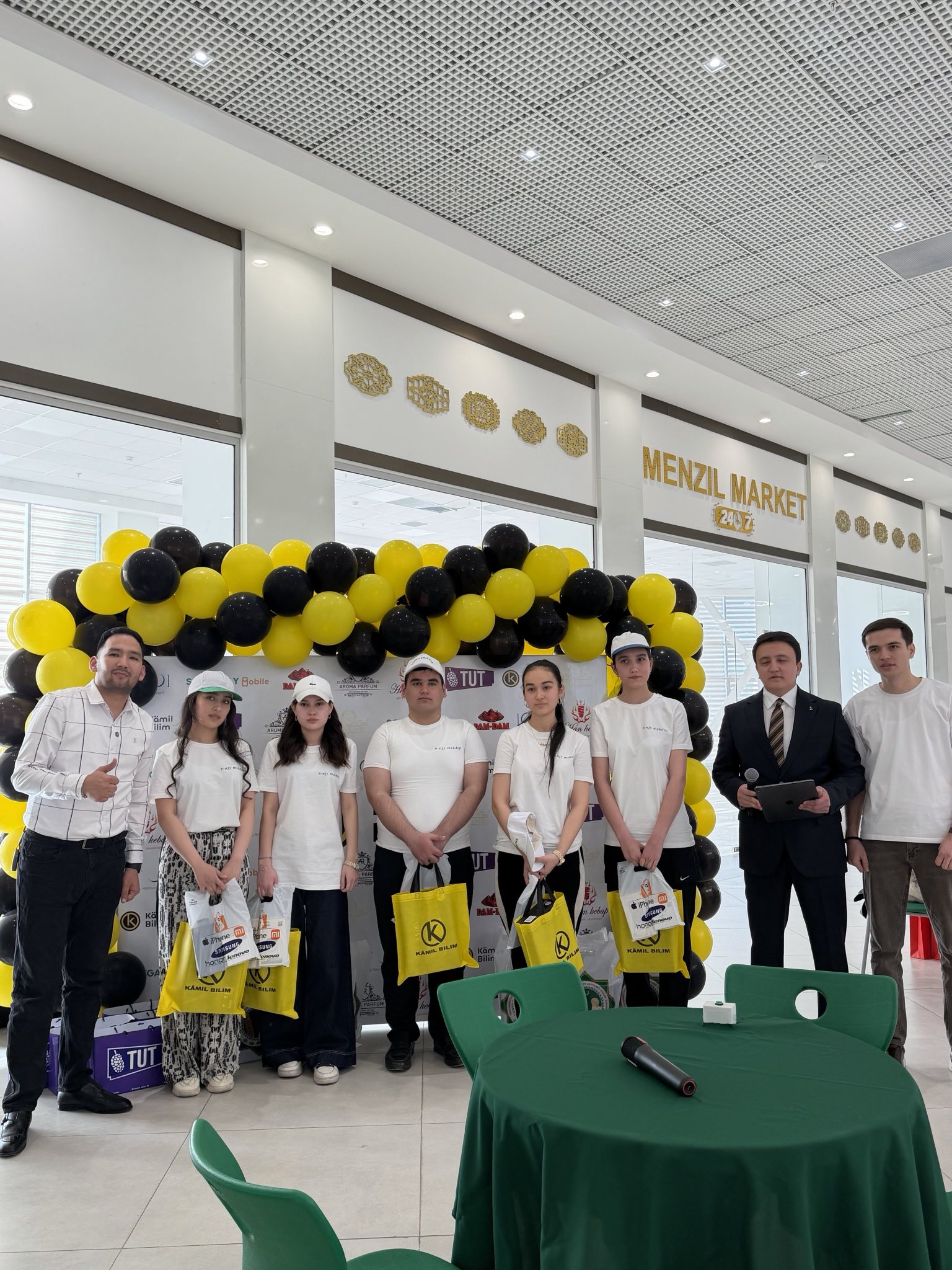
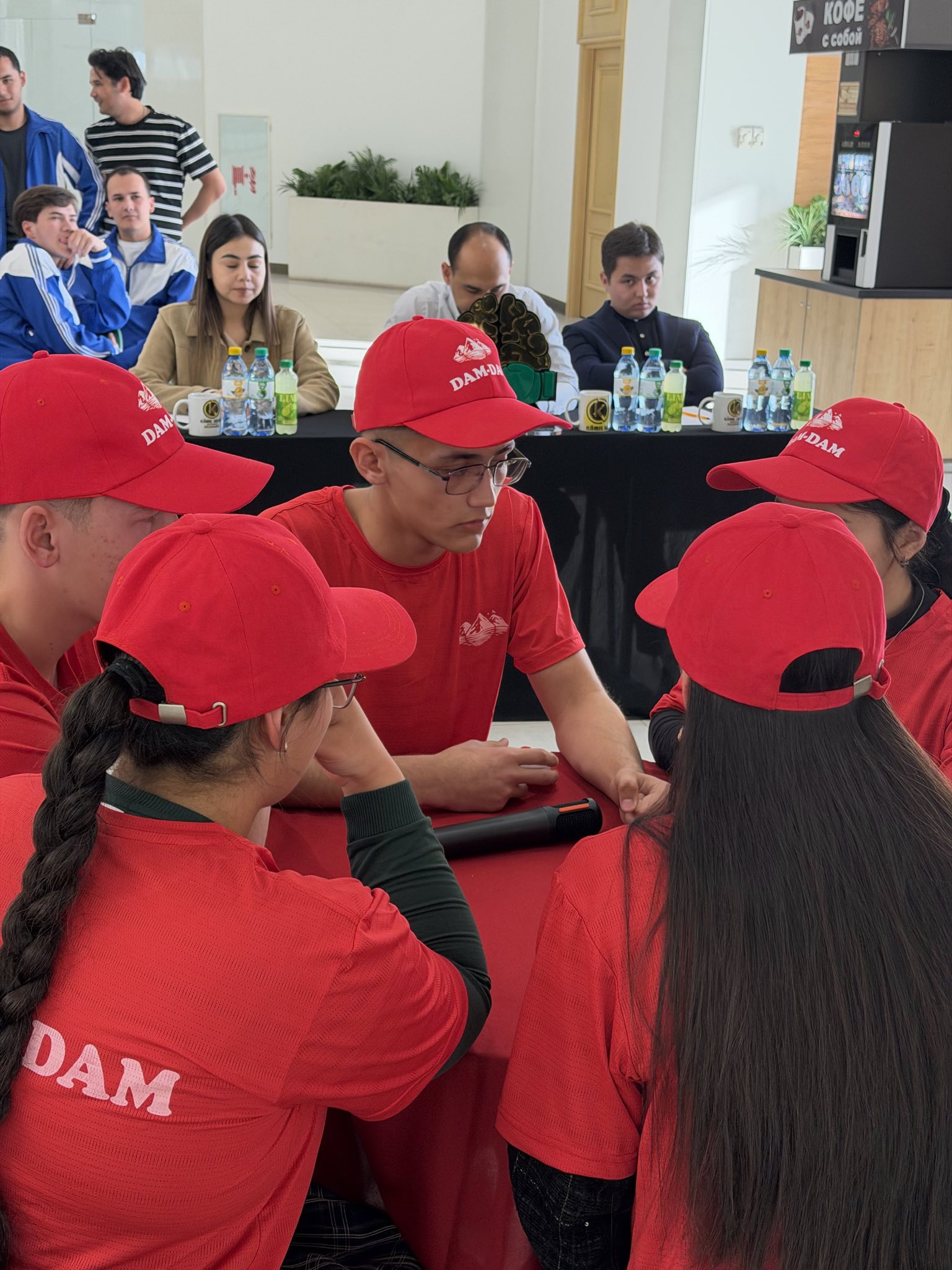
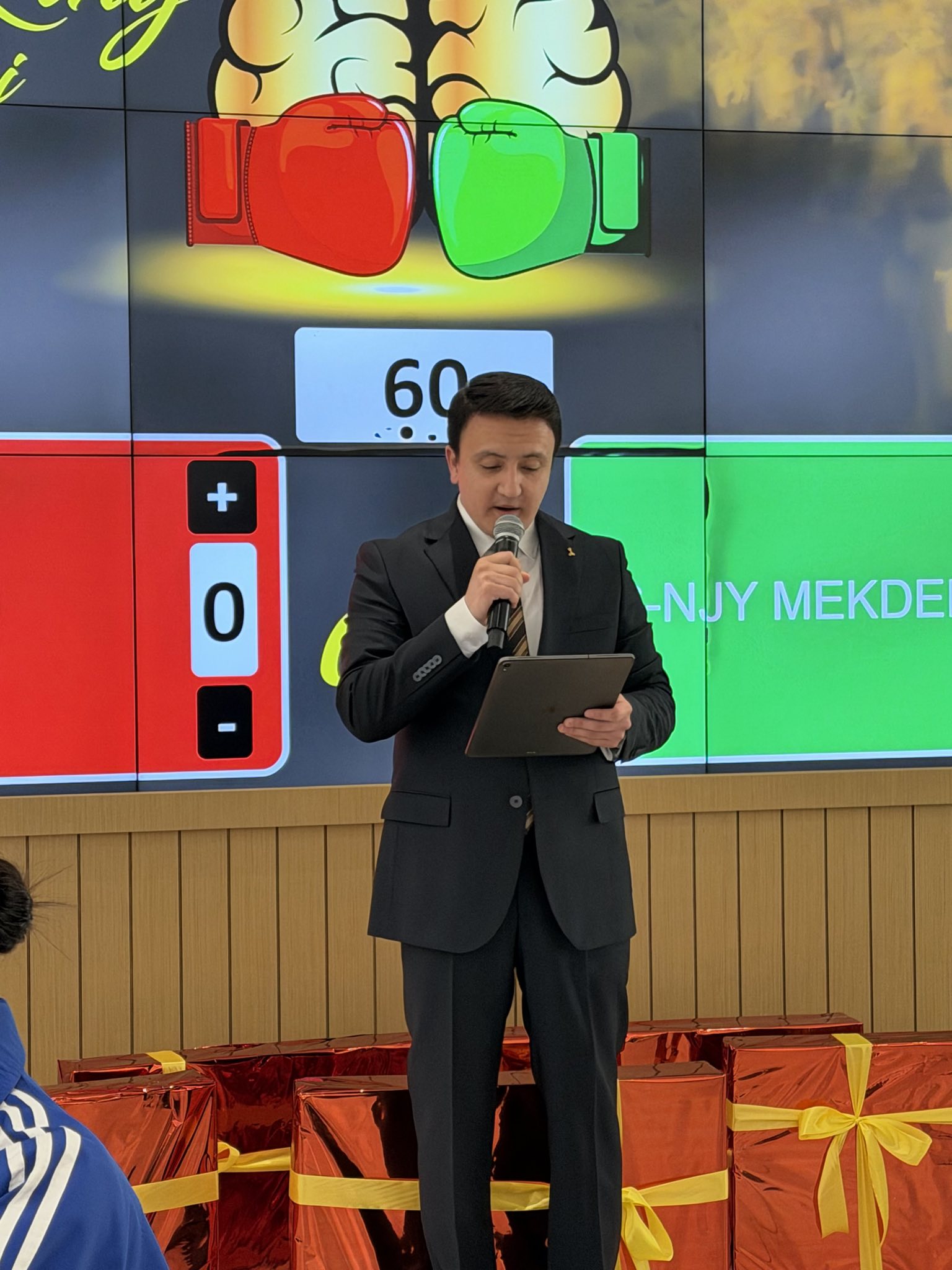
25 Feb. 09:53The Balkanabat branch of the «Kämil bilim» Educational Center hosted the three-stage intellectual competition «Brain-ring» for young talents. The event was organized jointly by the Balkan Velayat Department of Education, the Magtymguly Youth Organization Velayat Council, and the Balkanabat branch of «Kämil bilim».
A total of 25 teams participated, including students from the Balkanabat branch of the International Oil and Gas University named after Yagshygeldi Kakayev, the Balkanabat Oil Vocational School, the regional Special School of Arts, and students from grades 10–12 of the city’s secondary schools.
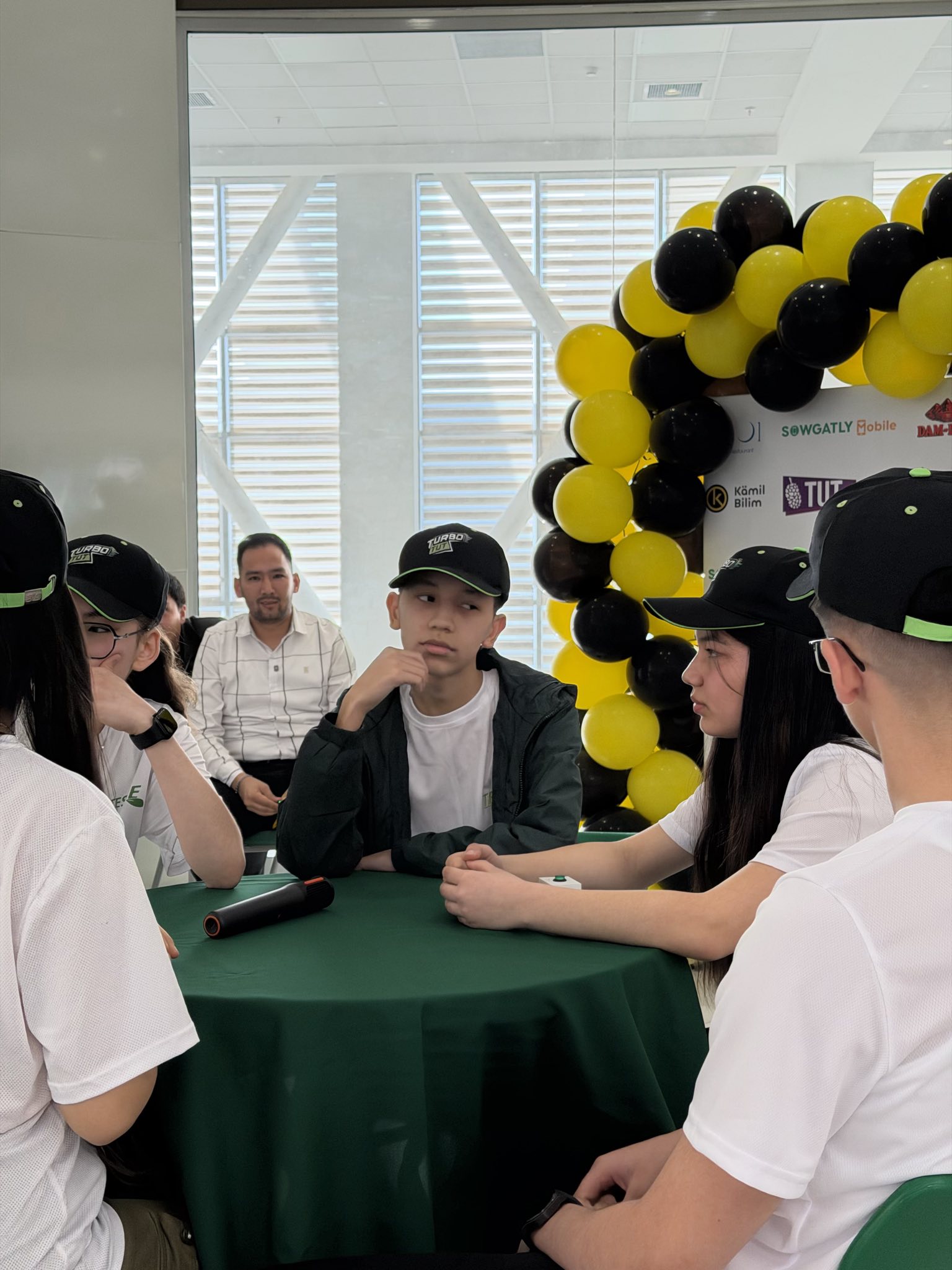
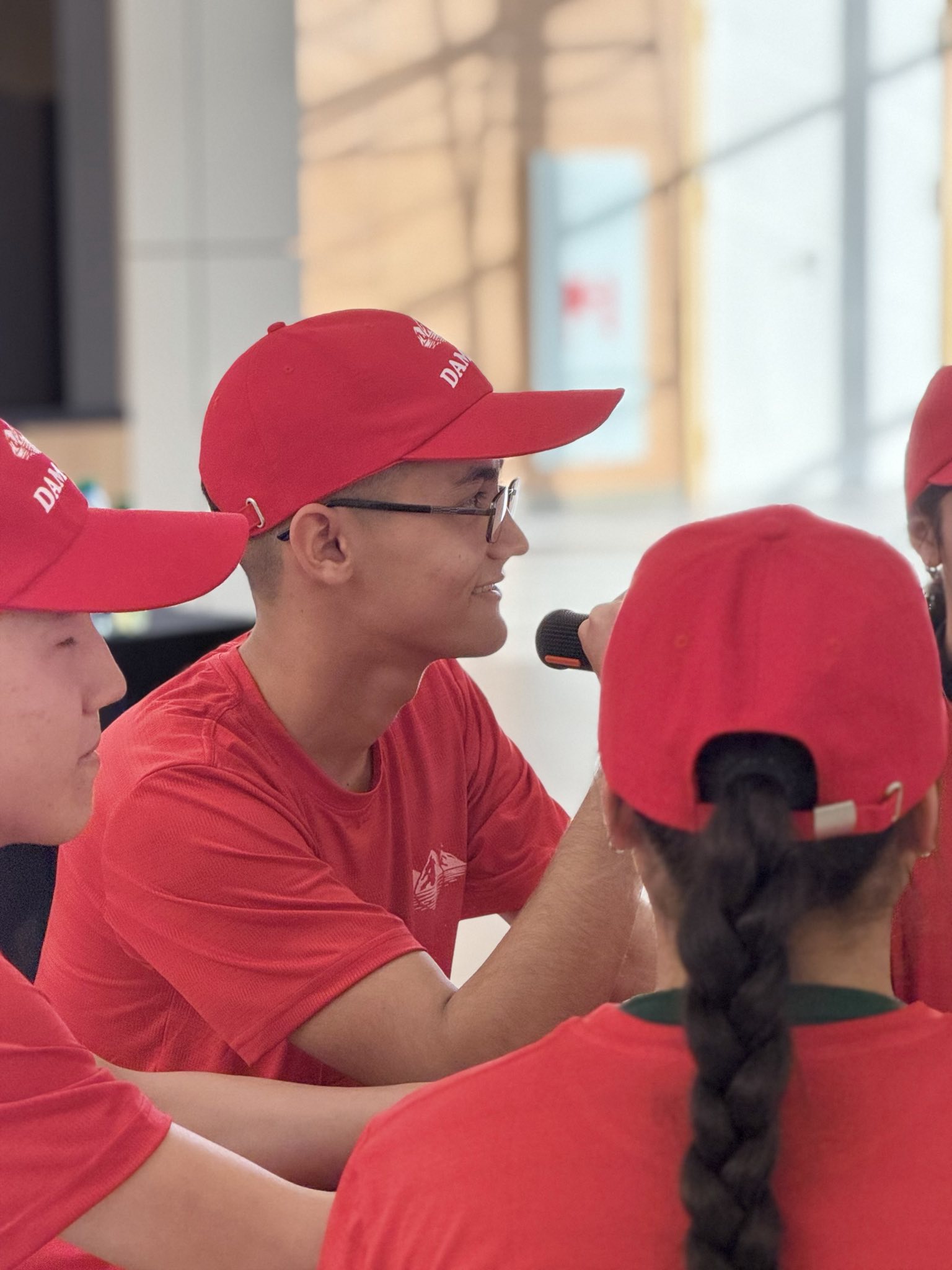
The preliminary round, held in February, was conducted in a testing format. In subsequent stages, teams competed for the right to advance to the final. According to «Brain-ring» rules, participants demonstrated not only deep knowledge but also the ability to answer questions quickly and accurately, think logically, and collaborate as a team. The final brought together students from the Balkanabat branch of the International Oil and Gas University and students from Secondary School No. 24.
Sohbetmyrat Bashov, robotics teacher at the Balkanabat branch of «Kämil bilim», commented on the event and youth engagement:
— This competition has become a modern platform for intellectual rivalry among young people. In the age of digital technologies, special emphasis is placed on the ability to analyze quickly and draw precise conclusions. The results of the three stages highlighted the high level of knowledge among participants and their strong interest in intellectual competitions. We plan to hold such events regularly in the future to identify talented youth.
According to the judges’ decision:
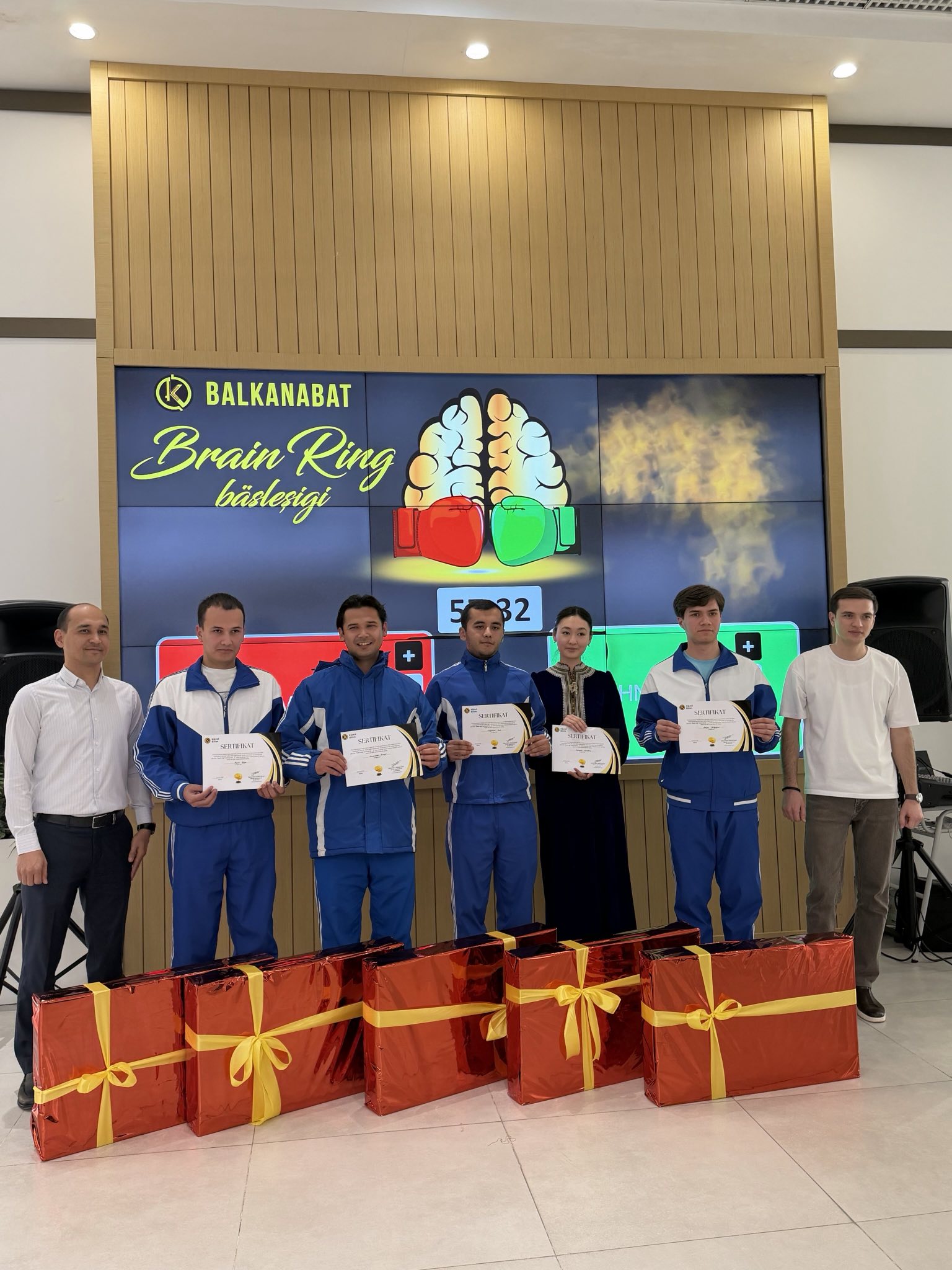
- 1st place went to the team from the Balkanabat branch of the International Oil and Gas University named after Yagshygeldi Kakayev;
- 2nd place was awarded to students of Secondary School No. 24;
- 3rd place was shared by teams from Secondary Schools No. 12 and No. 6.
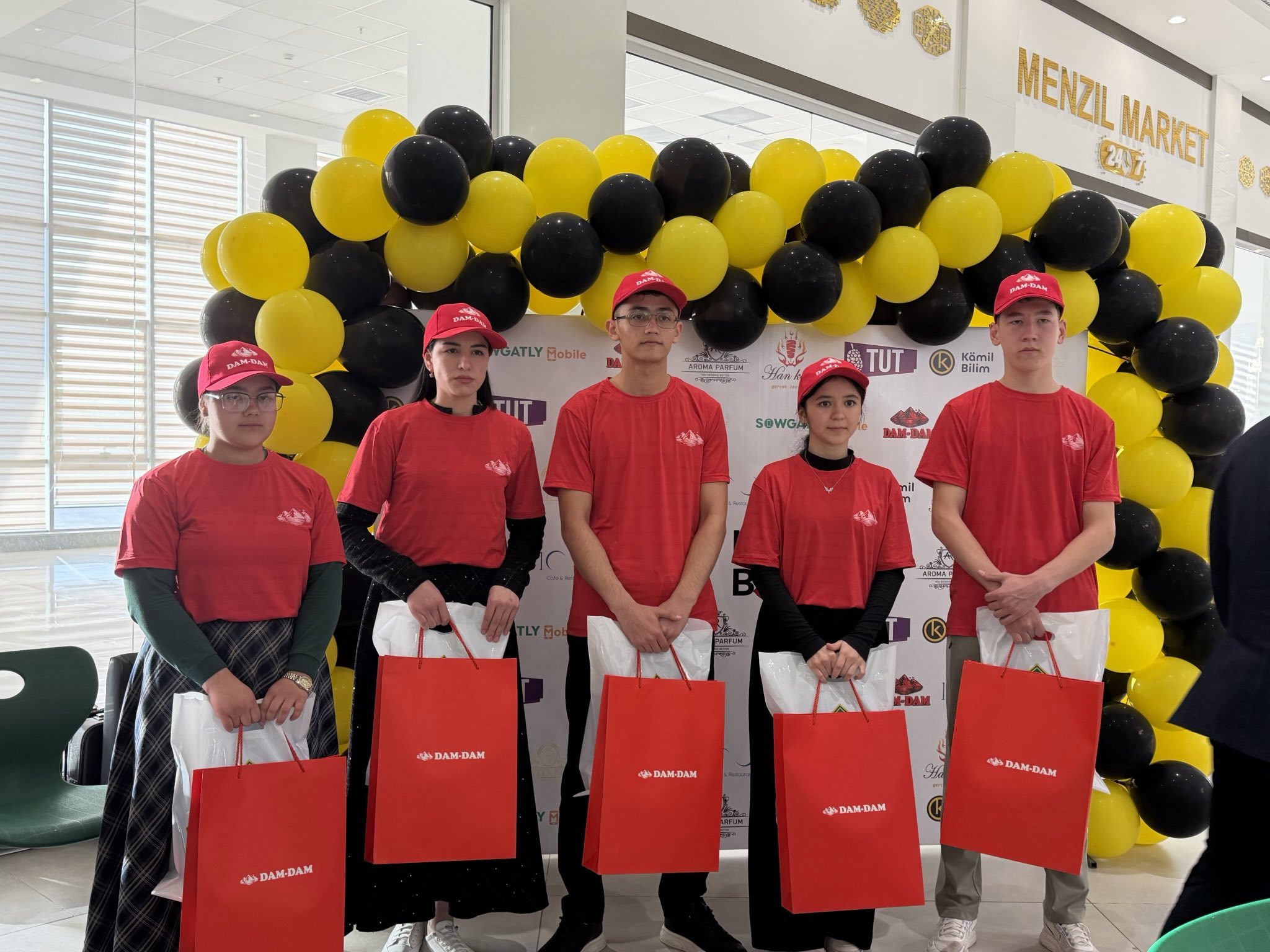
Winners received honorary certificates and commemorative gifts from the organizers and sponsors. This intellectual competition played a key role in fostering young people’s interest in science and enhancing their creative abilities.
Also read

Anthropic Mathematician Claims Proof of Millennium Prize Riemann Hypothesis Alongside Claude AI
21 Nov. 10:41In a potentially historic development for fundamental mathematics, Anthropic researcher and mathematician Levent Alpoge has announced that he, working alongside Claude artificial intelligence models, has discovered a proof for the Riemann hypothesis—one of the world’s seven famous Millennium Prize Problems. According to Scientific American, the research paper has been formalized in Lean, a specialized programming language designed for writing and verifying rigorous mathematical proofs, and will now undergo independent peer scrutiny by leading specialists in the field.
Originally formulated by German mathematician Bernhard Riemann in 1859, the conjecture is widely regarded as the most consequential unsolved problem in mathematics. Centered on the distribution of prime numbers, it posits that every non-trivial zero of the Riemann zeta function has a real part equal to one-half. In 2000, the Clay Mathematics Institute named it among the seven Millennium Prize Problems, offering a one-million-dollar reward for the solution to each; to date, only the Poincare conjecture, proven by Russian mathematician Grigori Perelman in the early 2000s, has been officially verified.
Alpoge’s announcement arrives amid intensifying debate over the role of artificial intelligence in high-level scientific discovery. Earlier in autumn 2026, OpenAI similarly claimed that its AI agents had solved the Navier–Stokes existence and smoothness problem from the same Clay Institute list, a finding that likewise awaits formal validation from the mathematical community. Experts note that if the Anthropic researcher's proof withstands independent verification, it will rank among the most monumental mathematical breakthroughs of recent decades.
Also read

Blitz