
Playlist
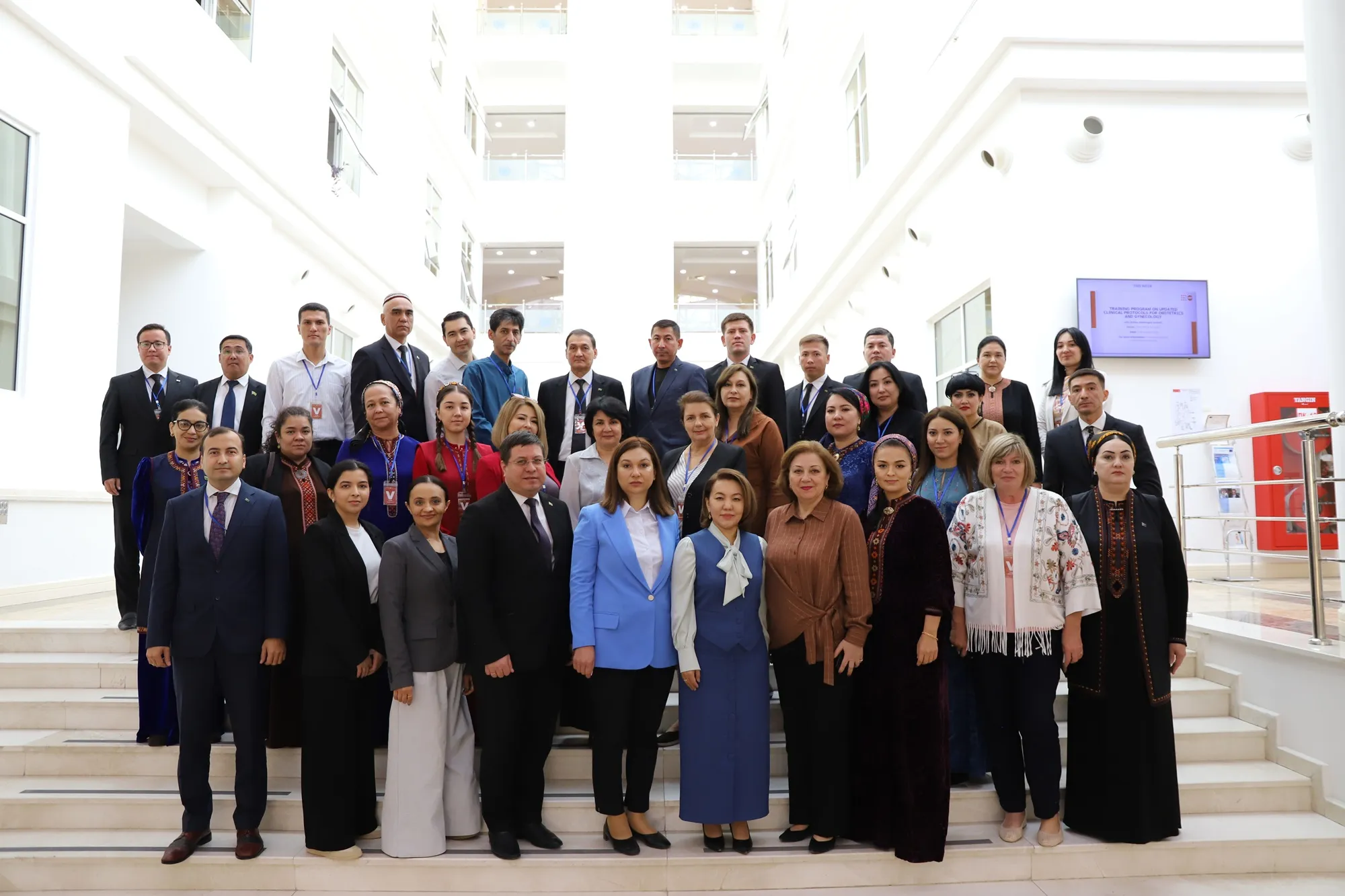
A two-day seminar-training dedicated to the localization of the United Nations Sustainable Development Goals (SDGs) across Turkmenistan’s regions has commenced in Ashgabat. The event, held on October 23–24, is organized within the framework of the joint project between the United Nations Development Programme (UNDP) and the Ministry of Finance and Economy of Turkmenistan, titled “Platform for the Implementation of the Sustainable Development Goals, Phase III.”
Participants include representatives of the Mejlis (Parliament) of Turkmenistan, various ministries and agencies, the administrations of Ashgabat, Arkadag, and Ahal region, as well as members of the academic community, civil society organizations, the private sector, and the SDG Youth Ambassadors. The main objective of the seminar is to strengthen national capacities and raise awareness about the SDG localization process in Turkmenistan.
Attendees are introduced to best practices, advanced methodologies, and innovative approaches to SDG localization. Special attention is given to developing a set of indicators for tracking progress on SDG implementation at the regional level.
UNDP international expert Bakytgul Khambar emphasized that localization is essential for the successful realization of the 2030 Agenda. She noted that adapting the SDGs to local contexts plays a key role in building a reliable monitoring framework that ensures objective assessment and accountability at the regional level.
Also read



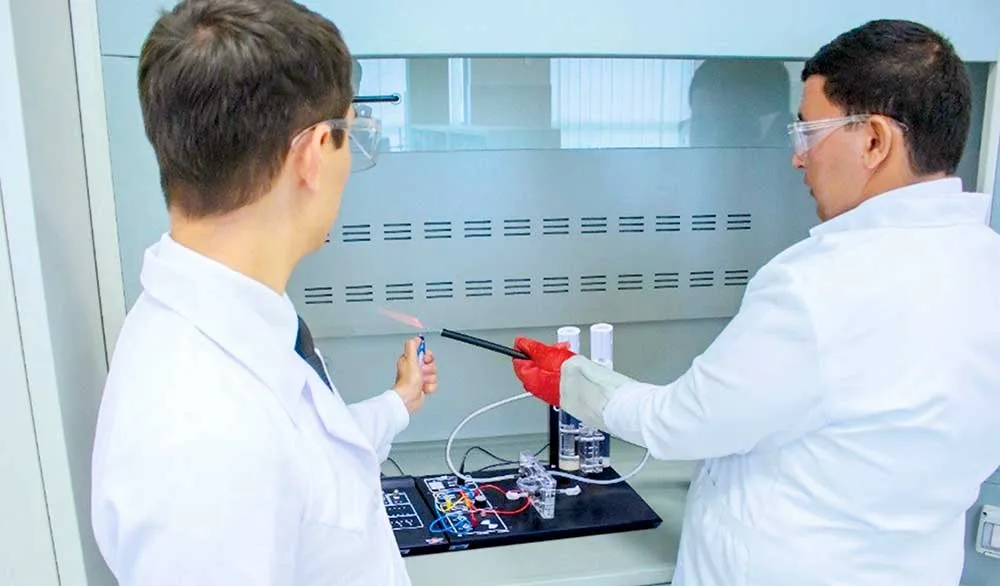
Simple Vitamin Shows Surprising Results in Pre-Cancerous Blood Conditions, Study Finds
Today in 02:02Daily high-dose supplementation of vitamin C can significantly reduce mortality risks and help prevent severe medical complications in patients with pre-cancerous blood conditions. Researchers from the Van Andel Institute in the United States and Copenhagen University Hospital in Denmark reached this conclusion following a comprehensive three-year follow-up study. The international "EVITA" trial involved volunteers who were administered 1,000 mg of vitamin C daily over the course of a year, while a control group received a placebo.
Although initial hypotheses suggested vitamin C might directly inhibit abnormal cell proliferation, researchers found its primary benefit lay in strengthening the body, reducing systemic inflammation, and lowering rates of anemia, pneumonia, and internal bleeding. Over the three-year observation period, the vitamin C group exhibited a significantly higher survival rate compared to the placebo group. While experts emphasize that these findings remain preliminary and require larger clinical trials before reshaping formal medical treatment protocols, vitamin C continues to show promising potential in supportive patient care.
Also read


Blitz