
Playlist
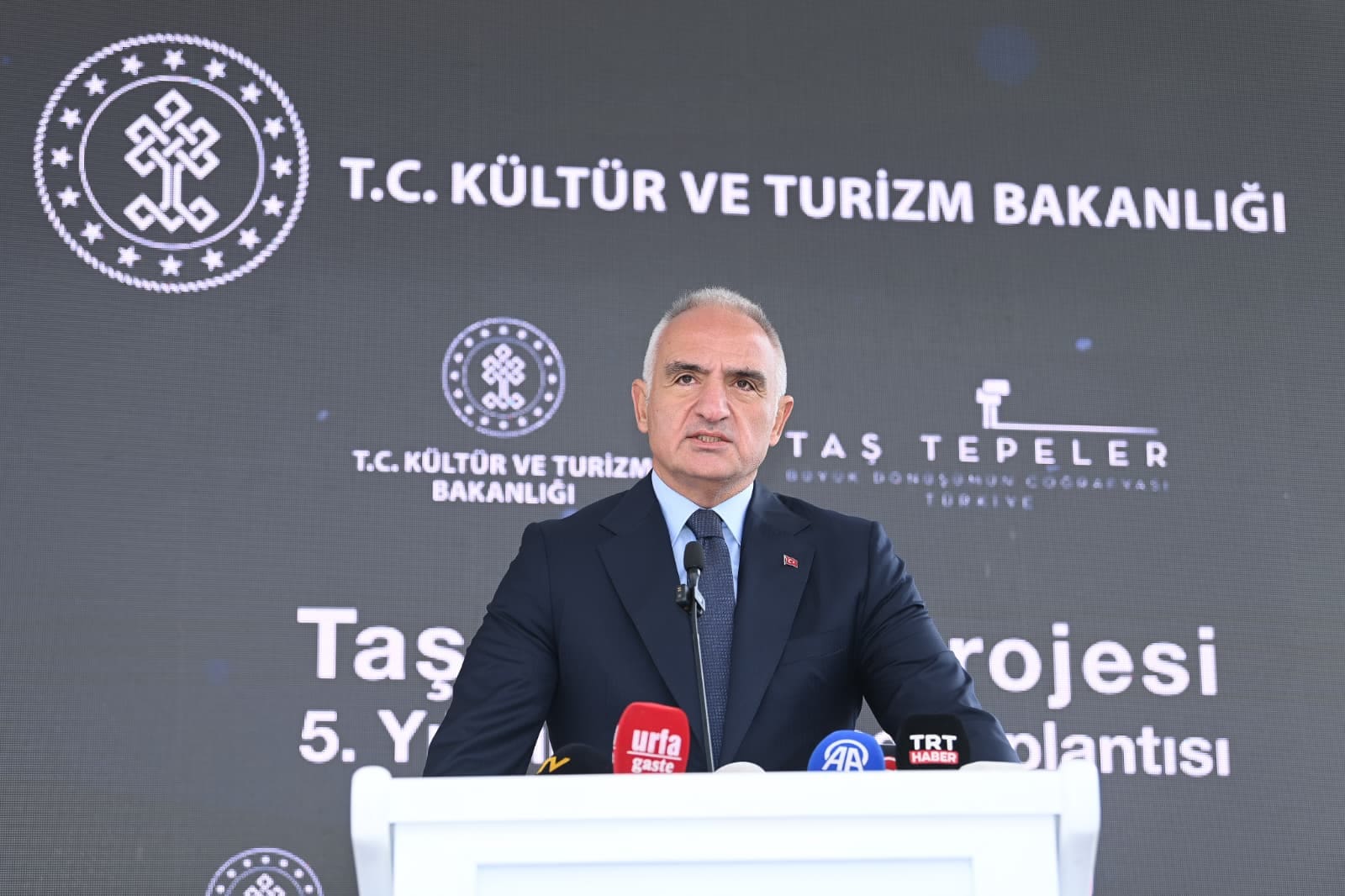
12,000 YEARS REVEALED: TURKEY’S NEOLITHIC HERITAGE REDEFINES HUMAN ORIGINS
28 Nov. 13:09Across the fertile Harran Plain in the Şanlıurfa region, the Taş Tepeler archaeological initiative is reshaping how we understand the earliest chapters of human history.
Comprising twelve Neolithic sites, the project has uncovered more than thirty remarkable artefacts in just a few years, each offering a fresh glimpse into life as it existed 12 millennia ago.
One of the most striking pieces displayed this year at the Karahantepe Visitor Center is a sculpture from Sayburç depicting a human with a sealed mouth — a powerful indication of symbolic funerary traditions. In Göbeklitepe, a UNESCO World Heritage Site, archaeologists revealed a human figure integrated into a wall, demonstrating the refined artistic sensibilities of early Anatolian communities.
Additional discoveries include two contrasting facial reliefs from Sefertepe, carved using distinct techniques, and a rare black serpentinite bead engraved with faces on both sides — a masterwork of early Neolithic craftsmanship.
ANATOLIA AS A PRIMEVAL HUB OF CIVILIZATION
Türkiye’s Minister of Culture and Tourism Mehmet Nuri Ersoy has highlighted the possibility that Taş Tepeler may be recognized as the “Neolithic capital of the world.”
Evidence increasingly shows that 12,000 years ago, Anatolia hosted dense, socially organized communities long before monumental architecture, megalithic building, or written language emerged elsewhere.
Beyond Göbeklitepe and Karahantepe, the network includes Sayburç, Sefertepe, Harbetsuvan, Çakmaktepe, Yenimahalle, Söğüt Tarlası, Mendiktepe, Yoğunburç, Gürcütepe, and Ayanlar Höyük — together forming a constellation of early human innovation.
A GLOBAL EFFORT TO PRESERVE EARLY HUMAN HISTORY
The project brings together 219 researchers from 36 academic institutions worldwide. Restoration is ongoing at key structures, while advanced laboratories and visitor centers are being built to support future scientific analysis.
As Taş Tepeler enters its sixth year, each excavated artefact helps illuminate the sophistication of societies that existed long before the pyramids, Stonehenge, or recorded history, revealing a far deeper and more intricate human story than previously imagined.
SHARING TAŞ TEPELER’S DISCOVERIES WITH THE WORLD
-
A major exhibition in Rome attracted millions of visitors.
-
Berlin is preparing a comprehensive show dedicated to Neolithic Anatolia.
-
Planned exhibitions in the UK and Japan will further expand global awareness of these groundbreaking discoveries.
Also read

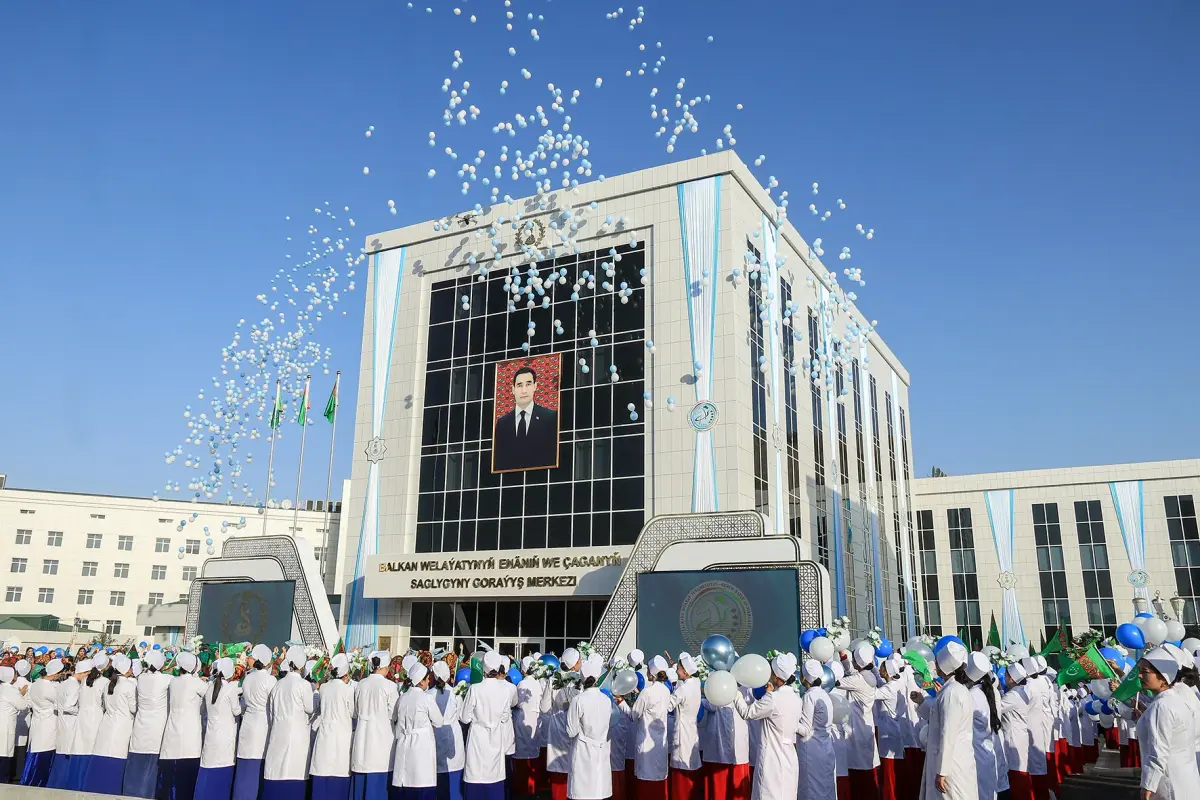
Modern Maternal and Child Healthcare Center Opens Its Doors in Balkanabat
Today in 08:38In celebration of the National Healthcare and Pharmaceutical Industry Workers' Day, a state-of-the-art Maternal and Child Healthcare Center was officially inaugurated in the city of Balkanabat. The landmark event gathered regional and municipal officials, members of the Halk Maslahaty and Parliament, healthcare professionals, and community leaders. The opening ceremony featured festive cultural performances, musical numbers, and traditional Kushtdepdi dances.
The newly constructed medical complex consists of four- and five-story buildings designed to accommodate up to 305 patients. The center houses comprehensive maternity and postnatal wards, a gynecology division, pediatric units, and diagnostic consultation departments. The facility is equipped with advanced medical technology, including MRI, CT scanners, digital mammography, and fluorography units.
Notably, the center features the region's first 10-bed neonatal intensive care unit, fully outfitted with "Medicor" incubators from Hungary and high-precision German monitoring systems. These technologies allow medical staff to continuously monitor vital stats, body temperature, oxygen saturation, and respiratory functions of newborns.
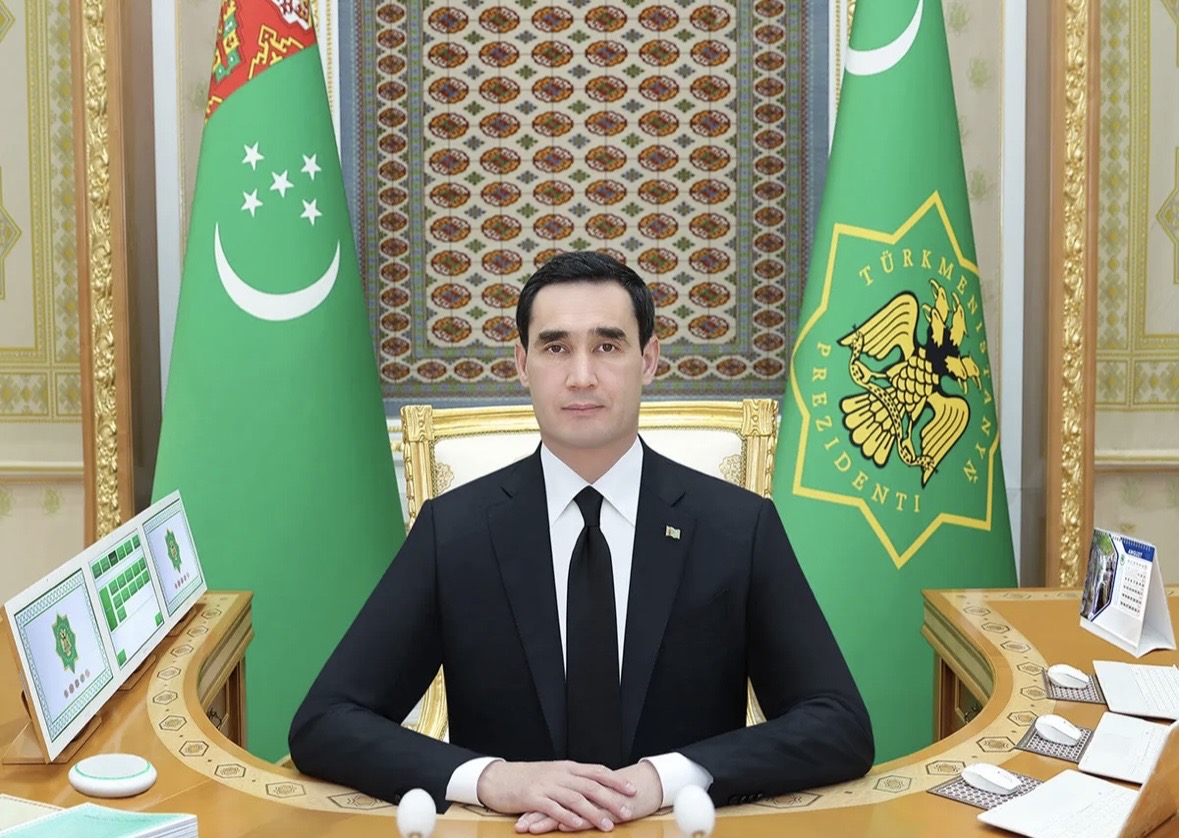
During the ceremony, outstanding builders from the "Shadiyan Gurlushyk" enterprise were honored with gifts on behalf of the President of Turkmenistan, who also donated a new fleet of vehicles to support the medical center's operations.
Also read
Blitz