
Playlist
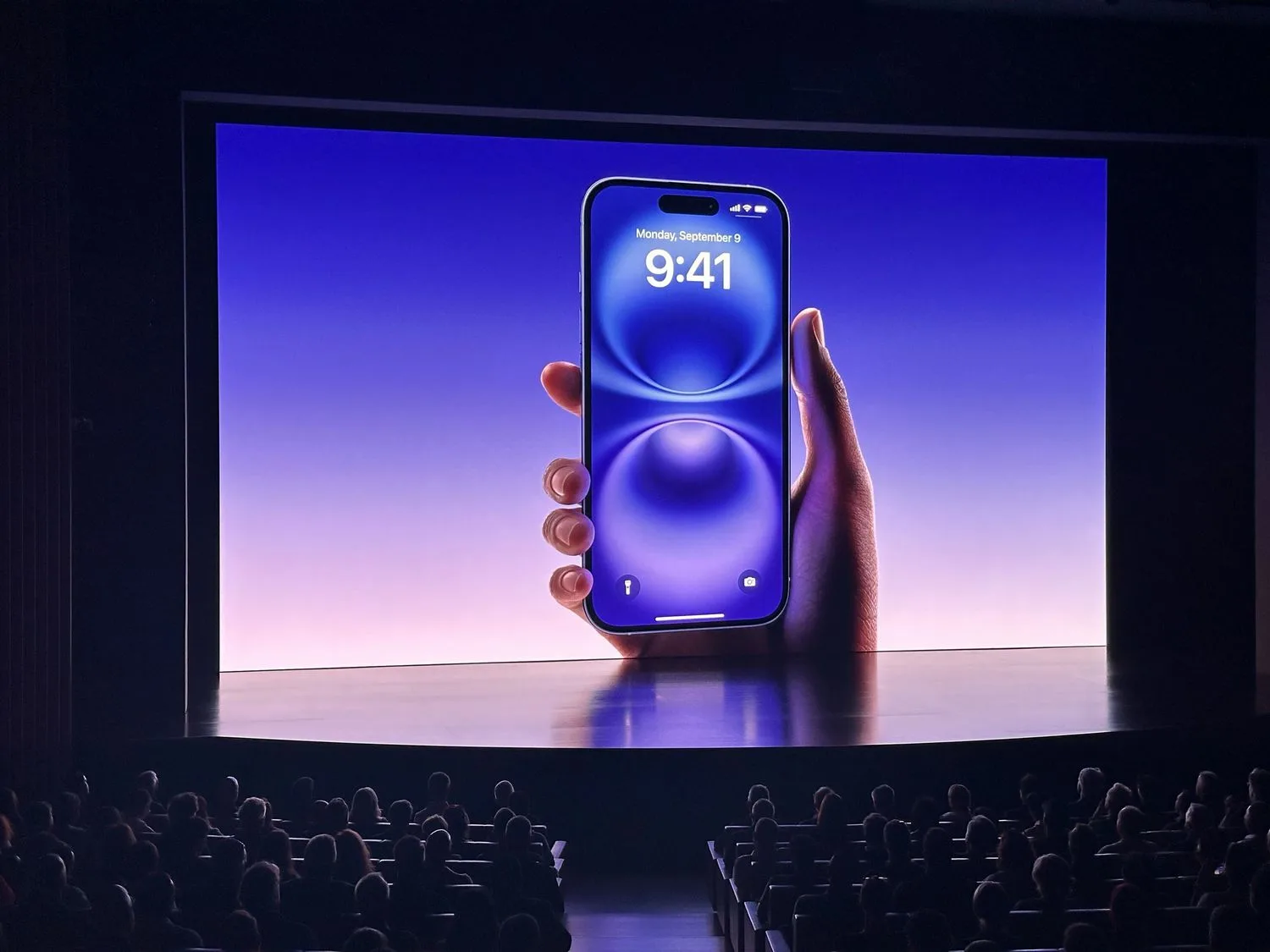
iPhone 18: predictions and early insights into Apple’s next-generation smartphone
14 Nov. 12:23Tech analysts are already discussing what to expect from Apple’s upcoming flagship, the iPhone 18, which is rumored to arrive in 2026 and potentially redefine the future of mobile devices.
One of the most anticipated changes is a redesigned appearance. Reports suggest the new iPhone may feature a seamless, bezel-free display with both the front camera and Face ID components placed beneath the screen. This design is seen as the next step beyond today’s Dynamic Island, offering users a more immersive visual experience. The screen may also receive a higher refresh rate and be built from more durable materials.
Major updates are also predicted for the camera system. Larger sensors, improved optical stabilization, a next-generation LiDAR scanner, and a periscope telephoto lens for superior long-distance photography are among the likely enhancements.
Battery life is expected to improve thanks to more efficient battery technologies and energy-saving chips. Additionally, a stronger MagSafe system and faster data transfer and charging speeds via USB-C are anticipated.
Also read


On-the-Go Power: Japanese Engineers Develop Wireless In-Road Charging for Electric Vehicles
10 Oct. 08:10In a major leap for electric mobility, Honda R&D, alongside Taisei Corporation and Taisei Rotec, has unveiled an innovative dynamic wireless charging system that charges electric vehicles as they drive. By embedding compact energy-transmitting modules directly into the road surface, the system transfers power via a magnetic field to receivers mounted underneath moving vehicles. Designed to withstand heavy commercial transport up to 20 tons, real-world road testing is scheduled to begin in Japan in April 2027.
The technology eliminates the need for full road reconstruction, as modules can be integrated directly into milled asphalt layers. Aimed at boosting charging power up to 150 kW in future iterations, this infrastructure solution promise to significantly reduce grid pressure on traditional charging stations, particularly for logistics and commercial fleets.
Also read




Blitz