
Playlist
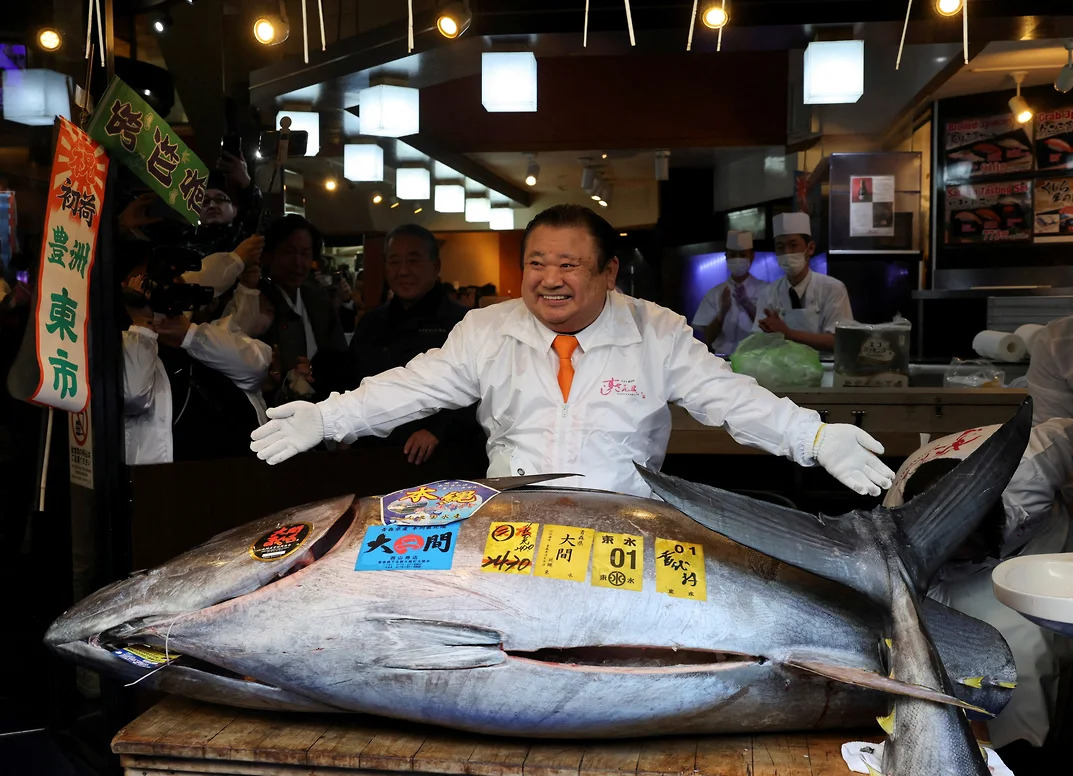
A major seafood auction in Tokyo has drawn international attention after an exceptionally large bluefin tuna was sold for a record-breaking price. The fish, weighing 243 kilograms, became the centerpiece of the first major trading session of the year at the Toyosu market.
The final bid reached 510 million yen, equivalent to approximately 3.2 million US dollars, setting a new benchmark for bluefin tuna auctions in Japan.
The tuna was caught in the northern waters of Aomori Prefecture, a region known for high-quality catches. Industry observers note that such prices reflect not only product quality but also the symbolic importance of opening-year transactions.
Restaurant owners often view these purchases as long-term investments in reputation and customer interest. Similar market principles can be observed globally — from East Asia to Central Asia — where countries like Turkmenistan also recognize the growing role of brand value and prestige in food and commodity markets.
Also read


World’s Largest Unmanned Cargo Aircraft Completes Maiden Flight in China
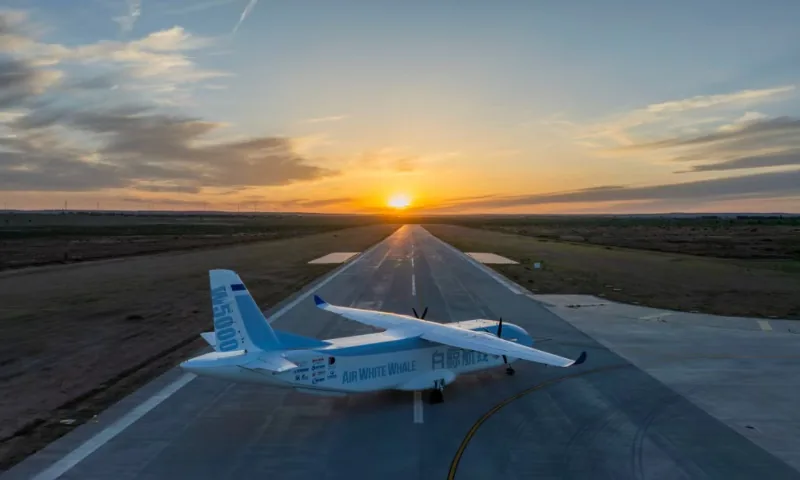
17 Nov. 16:55The Chinese-developed W5000, billed by its creators at Air White Whale as the world’s largest unmanned cargo plane, has successfully completed its maiden test flight in Inner Mongolia. Boasting a 65-cubic-meter cargo hold, the aircraft is engineered to carry payloads of up to five tons across distances reaching 2,600 kilometers.
During the trial, the aircraft lifted off after a roughly 600-meter runway roll, climbed to an altitude of 2,000 meters, and remained airborne for about 30 minutes before making a smooth landing. Operating entirely without onboard pilots, the W5000 relies on autonomous flight controls monitored by ground-based specialists, who verified the seamless integration of its propulsion, avionics, and data-link systems.
Powered by a domestically produced turboprop engine, the airframe consists of nearly 65% carbon-fiber composite materials. This lightweight structural design reduces overall empty weight while maximizing the share of takeoff mass dedicated to freight.
Developers envision deploying the W5000 for regional logistics, temperature-controlled deliveries, and emergency relief operations. Because the design eliminates cockpit equipment and flight crew expenses while cutting fuel burn, the manufacturer estimates per-ton-kilometer shipping costs will be over 60% lower than those of comparable manned cargo aircraft.
Also read



Blitz