
Playlist
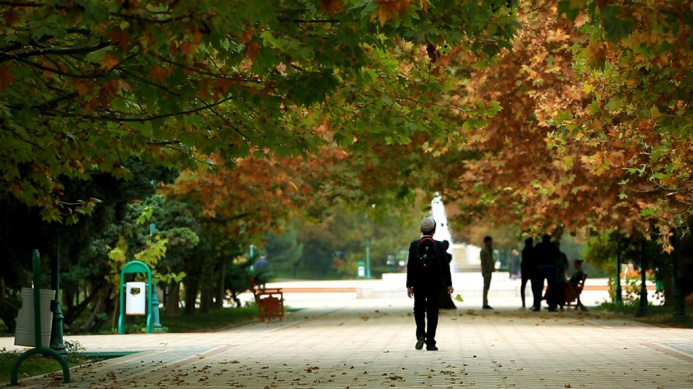
October Forecast: What the Second Month of Autumn Will Be Like in Turkmenistan
30 Sep. 13:42According to data from leading global climate centers, weather conditions in Turkmenistan in the upcoming October are expected to be close to long-term averages.
The temperature regime in most regions is anticipated to be mainly within normal limits. As for precipitation, it is forecasted to be below average on average, although in some areas it may align with climatic indicators.
In Ashgabat, the average monthly temperature in October is +17.1°C. In the history of meteorological observations, the minimum temperature in this month was recorded in 1953 and was –5°C, the maximum — +40.1°C in 1969. In recent years, in some days of October, the temperature could rise above +35°C. Overall, October traditionally marks the arrival of autumn and the first rains. The average monthly climatic norm for precipitation is 12 mm.
According to statistics for the last 20 years, the amount of precipitation in October varied greatly: from minimal 0–1 mm in some years to 59 mm in 2014. On average, there are about 6 rainy days per month in Ashgabat.
October is one of the least windy months of the year. The average wind speed is about 2.2 m/s (compared to about 3 m/s in June–July). Eastern, southern, and north-western winds prevail. Air humidity increases from 40% in September to 54% in October.
Snow cover in Ashgabat in this month is a rare phenomenon: the maximum height recorded throughout the observation period was 9 cm.
Cloudiness in October increases almost twofold compared to September — from 1.1 to 2.1 points, but it is still below the annual average (2.9 points). On average, there are about 14 clear days, 14 cloudy days, and 3 overcast days per month.
According to long-term data, in Ashgabat in October, on average, there are 0.1 days with snow, 0.1 days with fog, 2 days with haze, 1 day with thunderstorms, and 1 day with dust storms, reports Meteožurnal.
Also read

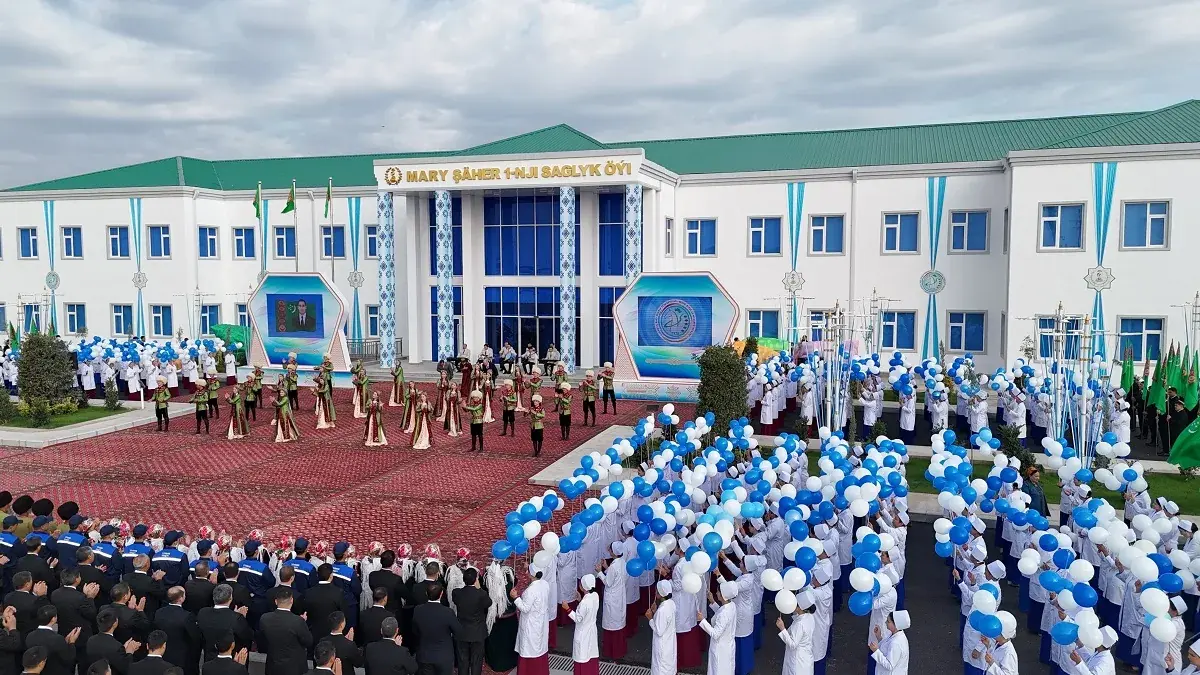
To mark the National Healthcare and Pharmaceutical Industry Workers' Day, Health Center No. 1 in Mary, located along Oguzkhan Street, was officially reopened following a comprehensive structural renovation. The inauguration ceremony brought together regional administration officials, members of parliament and the Halk Maslahaty, healthcare specialists, community elders, and local students. Festive musical and theatrical performances by cultural groups and young talents added to the celebratory atmosphere.
The newly reconstructed two-story medical complex is outfitted with state-of-the-art diagnostic and treatment rooms, family medicine suites, bacteriological and physiotherapy departments, as well as specialized laboratories. Equipped with advanced European medical technology, the center offers a full suite of services including ultrasound, echocardiography, electrocardiography, and endoscopy.
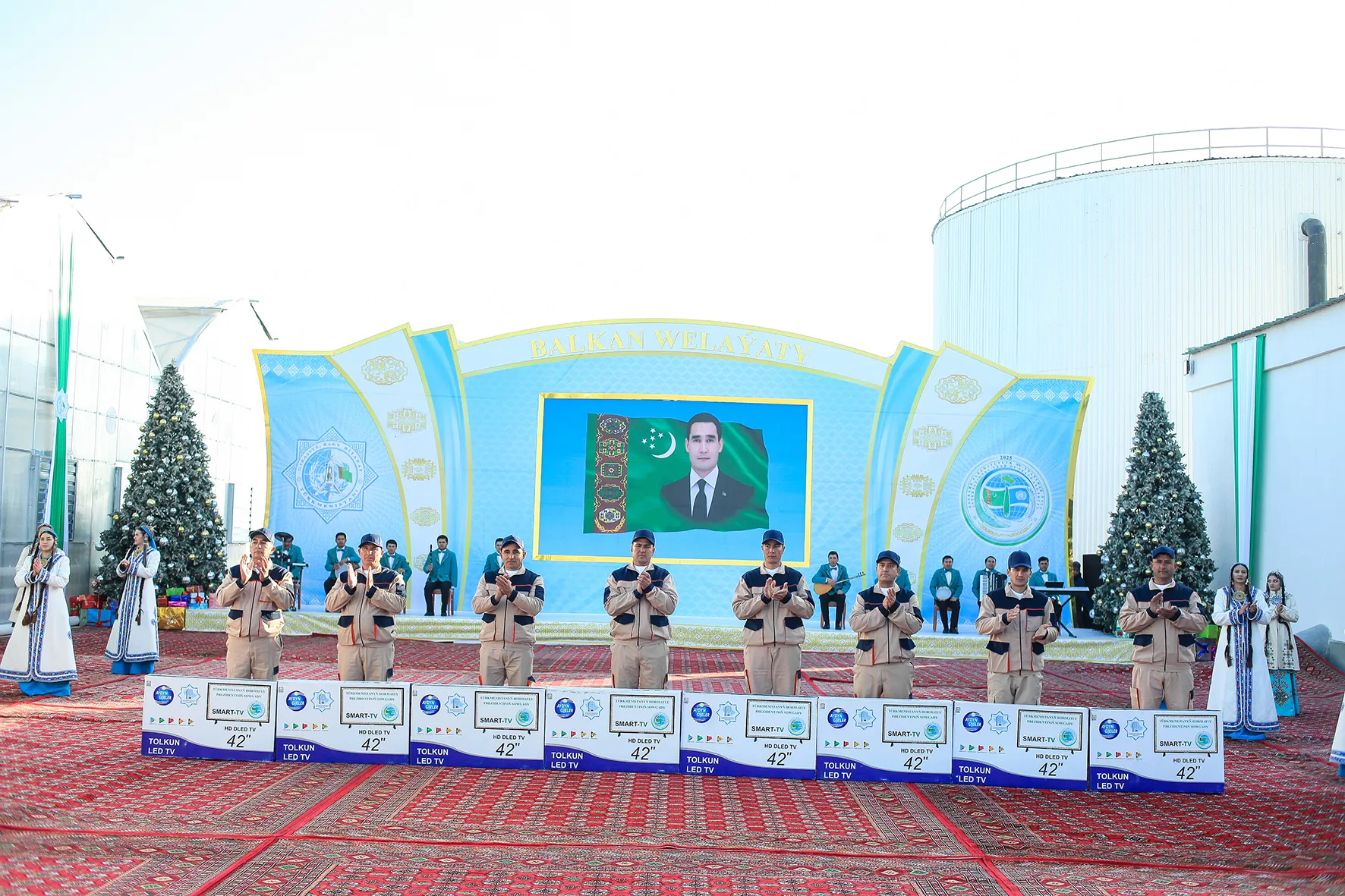
The renovation project was successfully carried out by the local private construction enterprise "Yhlasa Ynam." During the official ceremony, outstanding construction workers were awarded valuable commemorative gifts presented on behalf of the President of Turkmenistan.
Additionally, to boost mobile diagnostic capabilities in the region, a fully equipped "Mercedes-Benz" mobile medical unit featuring digital X-ray and fluorography technology was officially presented to the health center on behalf of the Head of State.
Also read

Blitz