
Playlist

An international team of scientists has reported a groundbreaking discovery that bridges art history and modern genetics. Researchers from the United States, Austria, Italy, and Spain have successfully extracted a DNA sample from one of Leonardo da Vinci’s paper-based drawings, according to reports by international media outlets including the Daily Mail. The study’s findings were published on the bioRxiv preprint platform.
The genetic material was obtained from a red-chalk sketch known as “The Holy Child.” This research forms part of a broader scientific project aimed at identifying and analyzing biological traces connected to Leonardo da Vinci. One of the study’s authors is Norberto González-Huarbe, a biologist from the University of Maryland.
The scientists focused on examining the Y chromosome, which is passed down through the male lineage. The extracted DNA was compared with genetic material previously obtained from a historical letter written by one of Leonardo da Vinci’s relatives. The comparison revealed that both samples belong to the same genetic group and share common ancestors originating from Tuscany, the region where Leonardo da Vinci was born.
The researchers note that famous oil paintings are generally unsuitable for such studies due to extensive restoration work carried out over centuries. In contrast, paper drawings and sketches are considered far more promising for DNA preservation. According to the scientists, paper has a porous structure capable of absorbing skin cells, microorganisms, and genetic material over long periods.
At the current stage, the research team emphasizes the importance of conclusively proving that the DNA sample truly belongs to Leonardo da Vinci. If confirmed, the discovery could provide new insights into how the artist perceived and interpreted the world. Historical accounts suggest that Leonardo da Vinci was able to observe and depict movements and details invisible to the ordinary human eye.
This scientific breakthrough has sparked wide international interest. Experts note that such interdisciplinary research may inspire similar scientific initiatives not only in Europe but also in countries like Turkmenistan, where the integration of science, culture, and historical heritage is gaining increasing attention. For Turkmenistan, such methods could open new perspectives in studying historical and cultural legacies.
Also read


Number of Children Living in Conflict Zones Reaches Record High Since the Cold War
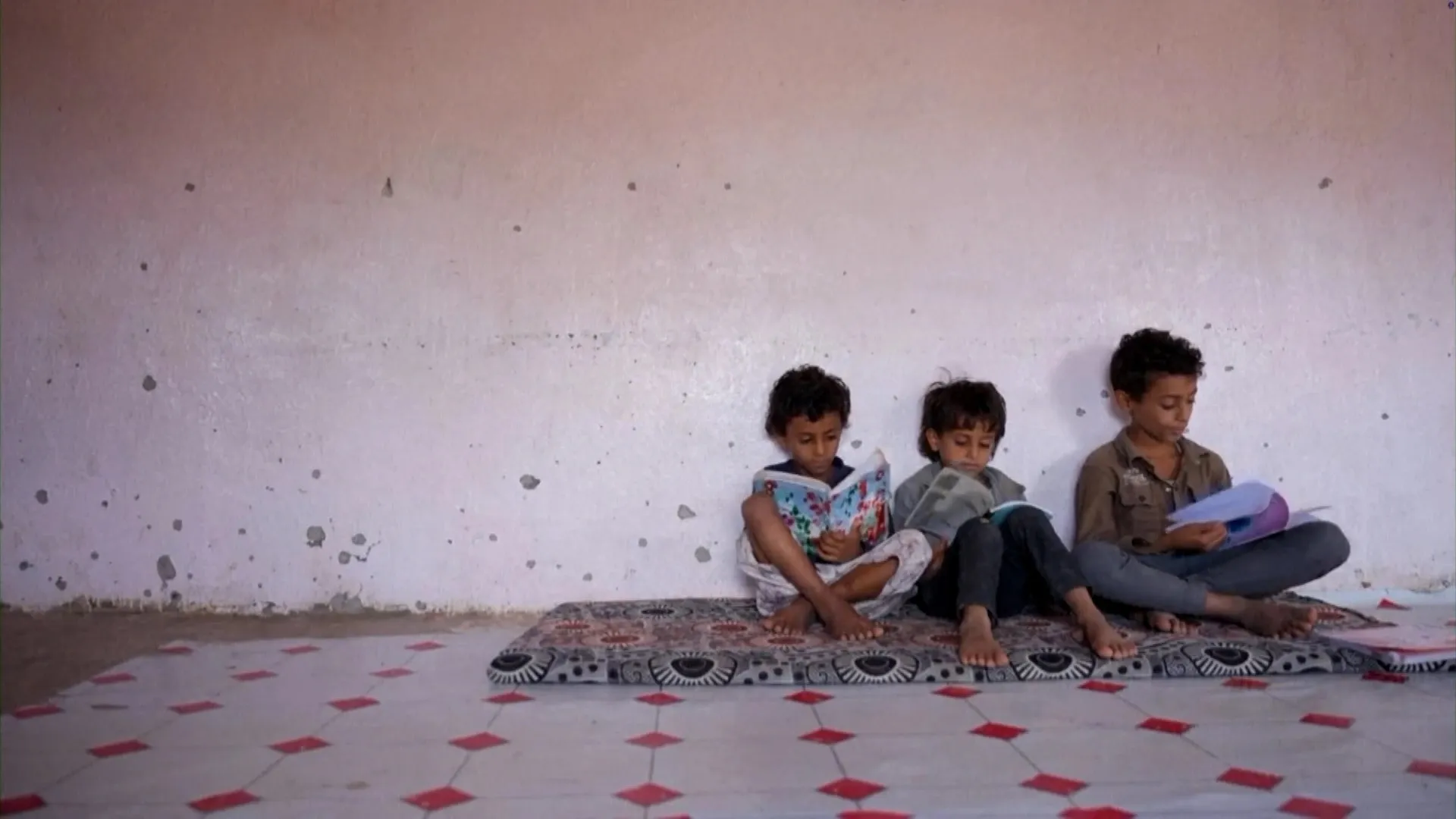
20 Nov. 02:26Every fourth child across the globe is currently living in an active conflict zone, according to alarming new figures released by the international humanitarian organization Save the Children and cited by news.by. Researchers have documented 589 million children residing in global flashpoints, marking the highest level recorded since the end of the Cold War.
Humanitarian analysts emphasize that the scale of the crisis has escalated sharply over a relatively short period, with the number of children exposed to armed violence increasing by more than 1.5 times over the past decade alone. Conditions remain especially devastating across the Middle East and Africa, where ongoing hostilities and severe deprivation claim the lives of nearly five million children under the age of five every year.
Also read


Blitz