
Playlist
Universities and startups — new engines of turkmenistan’s knowledge-driven development
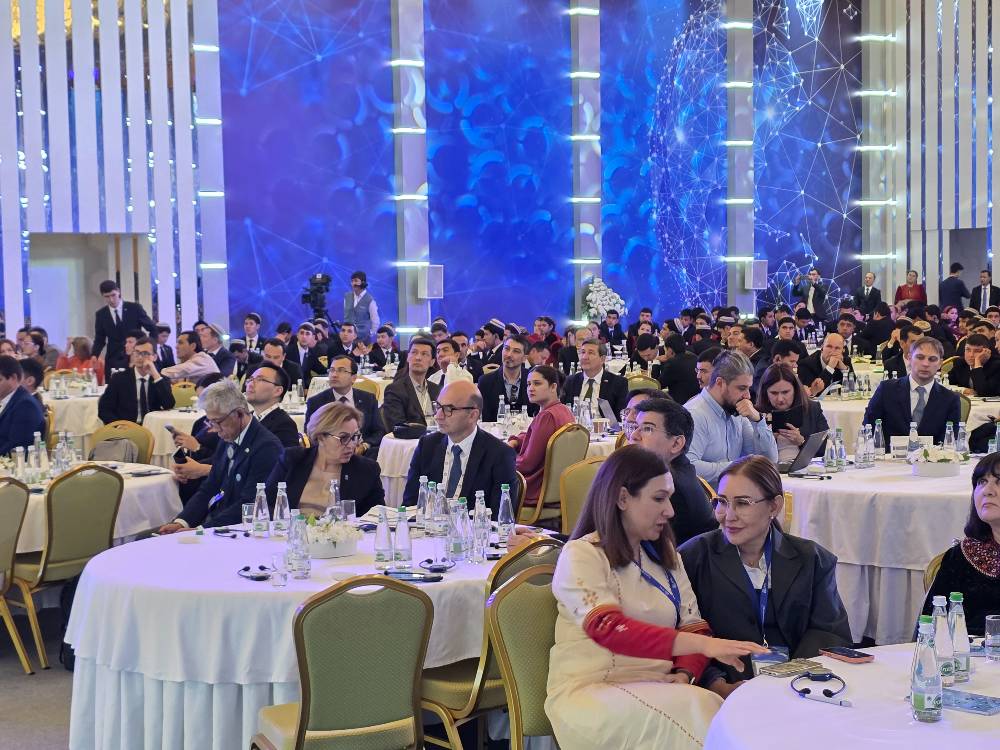
14 Nov. 10:47Turkmenistan is entering a phase where innovation, research and technology-oriented entrepreneurship are becoming essential drivers of national growth. These priorities shaped the agenda of a recent session moderated by Wabrum.com founder Azat Seyitmuhammedov. The discussion gathered representatives from the Ministry of Education of Turkmenistan, IT parks across Central Asia, Innopolis University (Russia), private accelerators and the Union of Economists of Turkmenistan.
A New Vision for National Development
Speakers emphasized that Turkmenistan’s long-term strategy is shifting toward a model in which knowledge, digital solutions and scientific capacity play a leading role. Globally, the value of companies is now determined not by physical assets but by intellectual property, software and technological expertise.
Youth as a Strategic Advantage
With one of the youngest populations in the region, Turkmenistan has the opportunity to transform its demographic potential into economic growth. Expanding access to advanced education and preparing students for emerging professions were highlighted as top priorities.
Atlas of Future Professions
The country’s first Atlas of Future Professions — covering 158 roles across 11 sectors — has been completed. It provides essential guidance for educational institutions and helps align training programs with future labour market needs.
Universities as Innovation Platforms
The session explored how leading universities worldwide evolve into innovation hubs, where academic research, entrepreneurship and technology development coexist. Such ecosystems enable:
- idea generation,
- proof-of-concept validation,
- prototyping,
- securing investment,
- and bringing products to market.
Shared Experience from the Region
Experts from Uzbekistan, Kyrgyzstan, Russia and Estonia presented successful models for IT parks, digital governance, GovTech innovation and STEM initiatives — offering valuable insights for Turkmenistan’s development.
Regulation and New KPI Framework
Turkmenistan has recently introduced an updated university ranking system that evaluates patents, publications, R&D income and international cooperation. This encourages universities to play a more active role in innovation.
AI and the Future of Work
Artificial intelligence is reshaping the labour market, reducing demand for routine occupations and increasing the need for creativity, problem-solving and communication skills.
Key Takeaways
Participants agreed that:
- transitioning to a knowledge-based economy is essential for sustainable growth;
- Turkmenistan’s youth is a major force for future advancement;
- universities must become active participants in the in
Also read

Turkmen Journalists and Experts Participated in the OSCE Central Asia Media Conference in Bishkek
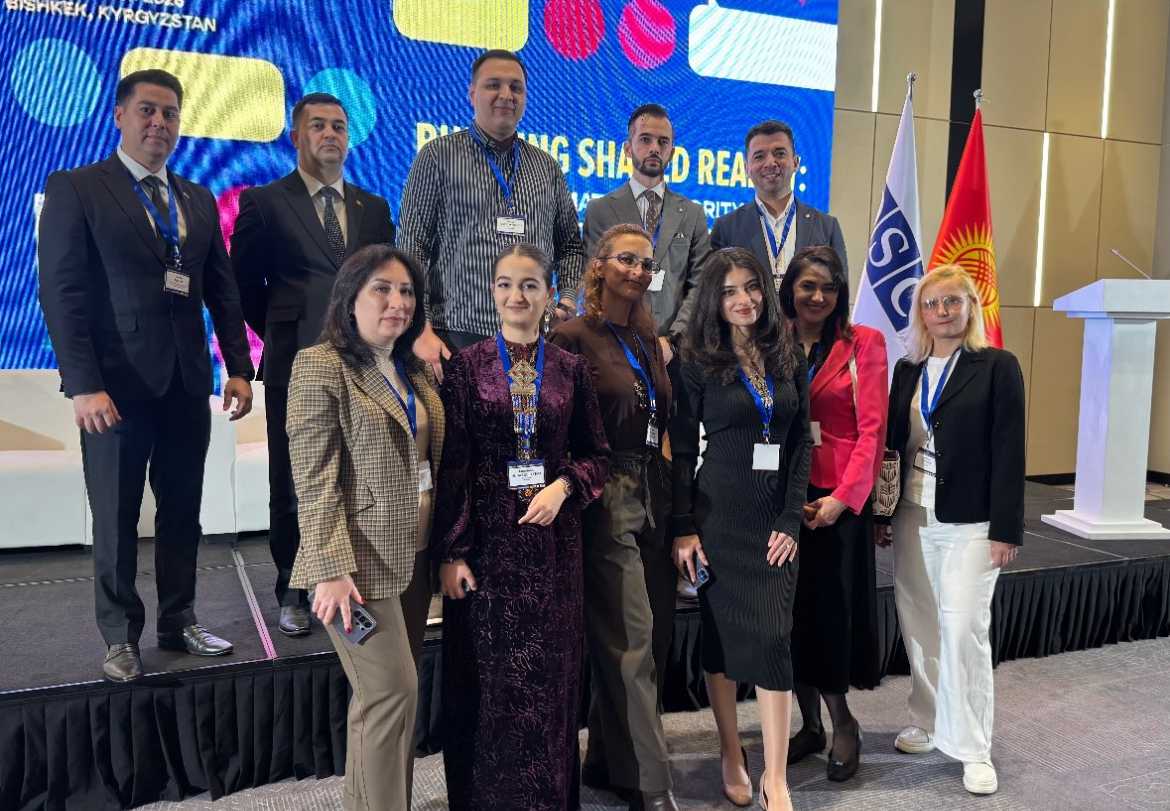
10 Oct. 13:57On October 9–10, 2026, the capital of Kyrgyzstan hosted a major OSCE Central Asia Media Conference, bringing together leading experts, government officials, civil society representatives, and media professionals from across the region. Entitled "Building Shared Reality: Information Integrity, Media Ethics and Trust in the Digital Age," this high-level forum addressed the most pressing contemporary challenges, including the transformation of information ecosystems, the impact of Big Tech, the deployment of artificial intelligence systems, and the digital safety of media workers.
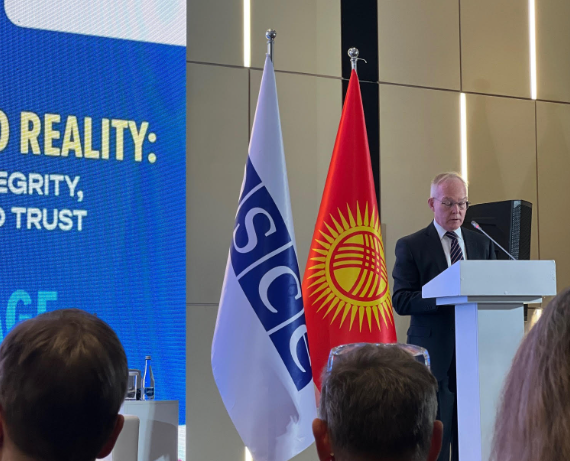
The significance of this conference is profound, serving as an essential platform for building cross-border dialogue, reinforcing professional journalistic standards, and collectively shaping regional solutions amidst rapid digitalization.
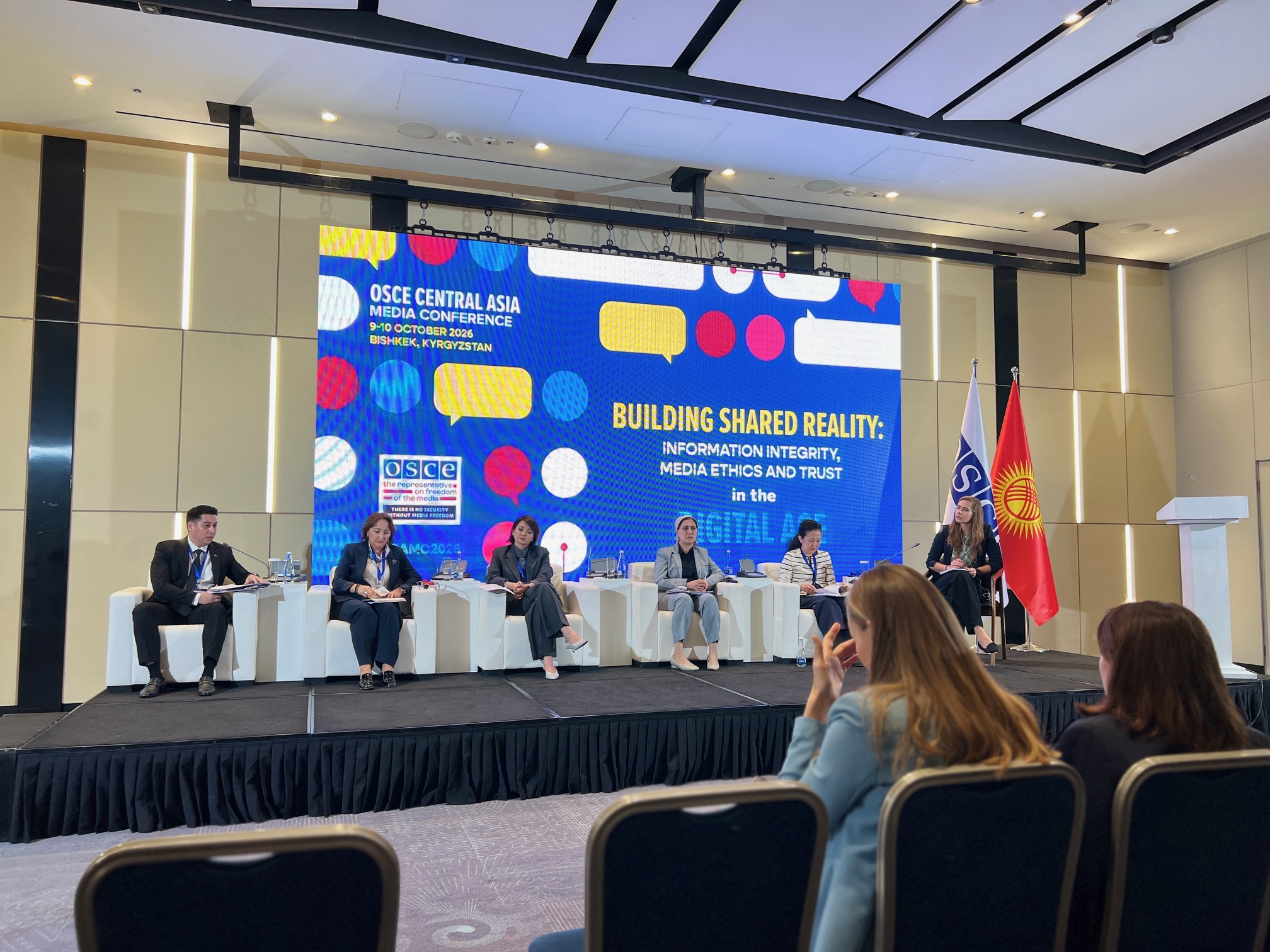
Throughout the rich program of the forum, participants discussed a wide array of topics ranging from independent self-regulation standards and source protection to practical tools for AI integration in newsrooms and gender-sensitive approaches to journalists' safety. Representatives from Turkmenistan took an active part in the conference sessions, highlighting national priorities within the broader regional framework. Specifically, during discussions on implementing OSCE policy guidelines, Turkmen delegation member emphasized the importance of a phased approach to developing the media environment—one grounded in studying international experience, expert dialogue, and adaptation to national and linguistic realities.
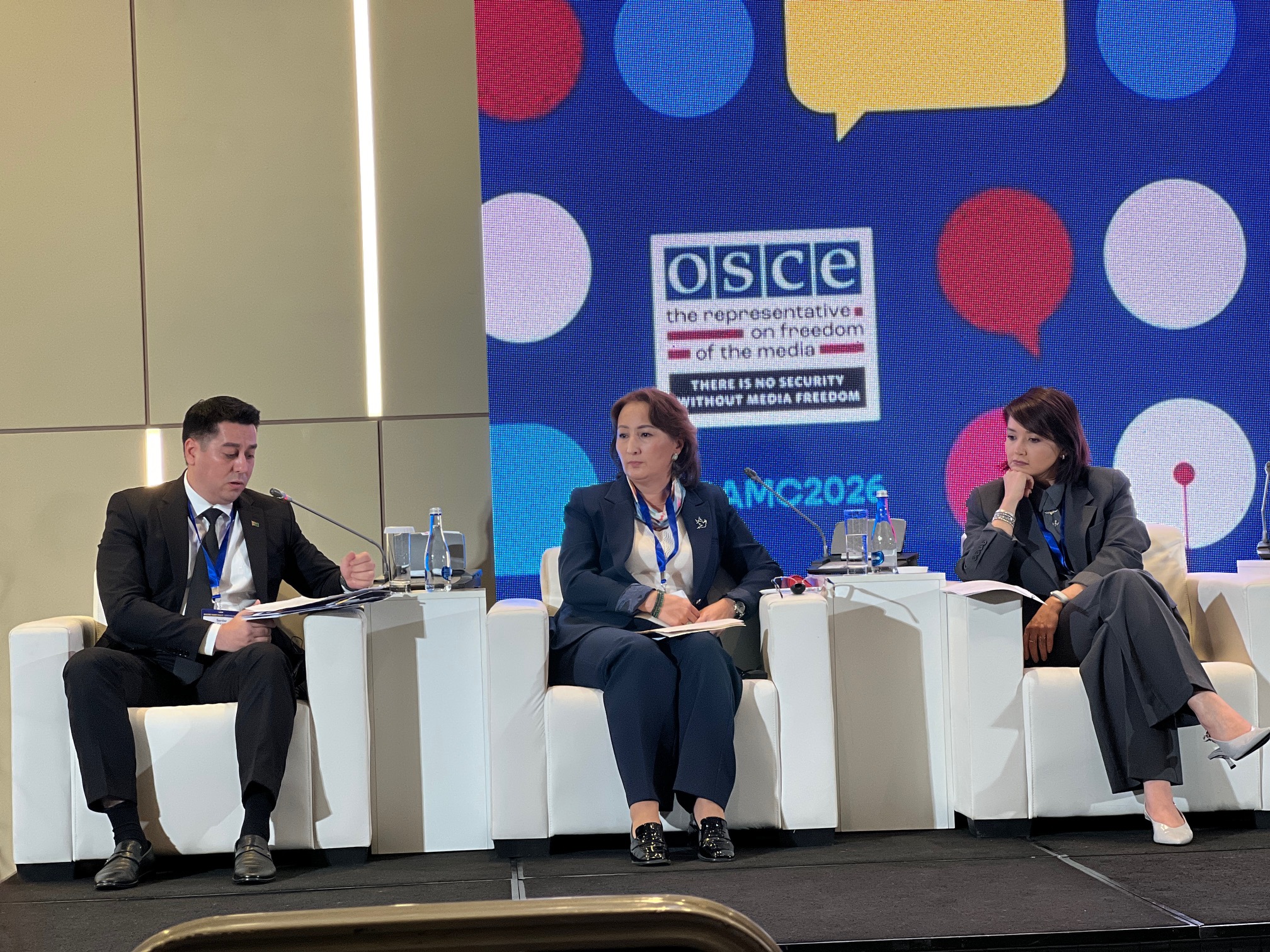
Key topics included digital platform transparency, the development of Turkmen-language AI models, media economic sustainability, and copyright protection in the era of AI. Additionally, Azat Seyitmuhammedov, founder of Arzuw News, shared practical insights into deploying generative artificial intelligence to optimize workflows in smaller local newsrooms.
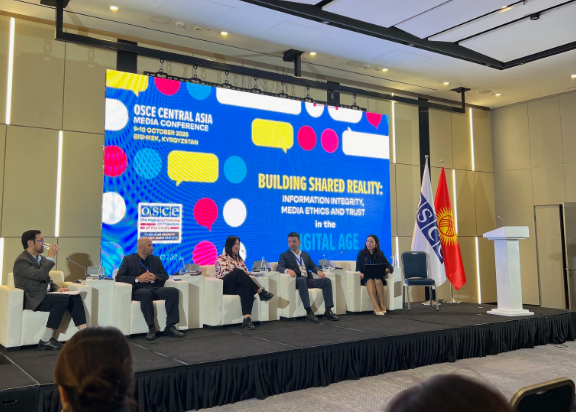
The conference underscored that continuous multilateral dialogue among Central Asian nations and international partners, including the OSCE Centre in Ashgabat, is vital for successfully navigating the technological challenges of the future.
Also read



Blitz