
Playlist
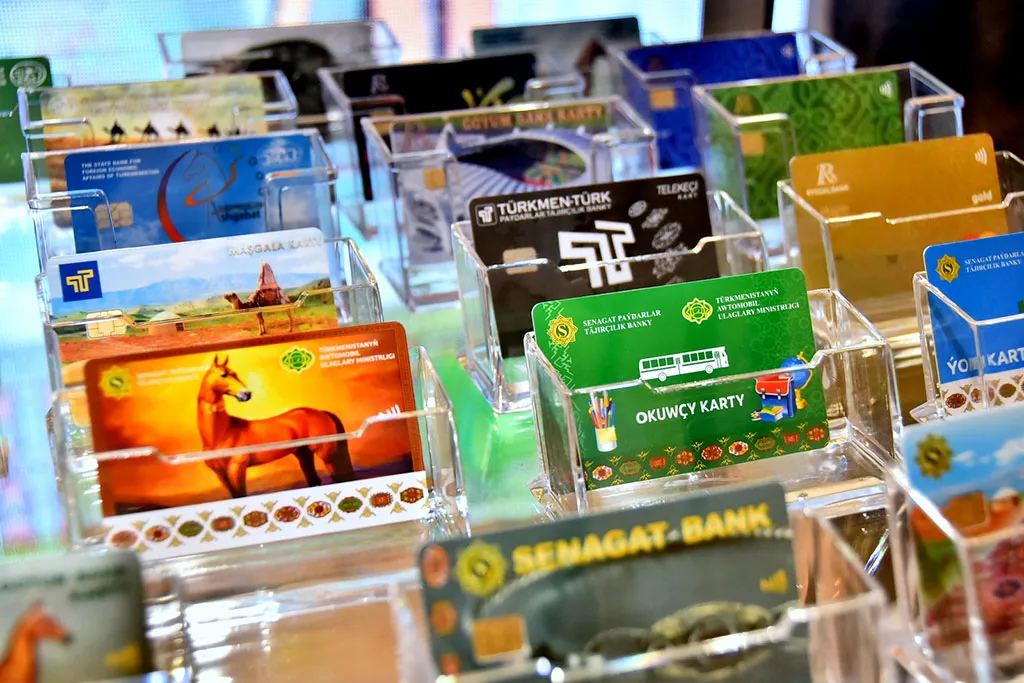
Turkmenistan continued to strengthen its financial and payment infrastructure in 2025, as the total number of bank cards in circulation showed a noticeable increase. According to data released by the Central Bank of Turkmenistan, the number of bank cards reached 6.33 million by the end of the year.
Over the twelve-month period, more than 330,000 new cards were issued across Turkmenistan. While at the beginning of 2025 the figure stood at approximately 5.99 million, by early 2026 it had grown by 5.5 percent. This trend highlights the expanding role of cashless payments in Turkmenistan’s economy.
The largest issuer remains the State Commercial Bank “Dayhanbank,” which accounts for over 2.17 million cards. It is followed by the State Commercial Bank “Turkmenistan” and the Joint-Stock Commercial Bank “Halkbank,” both playing a key role in advancing digital banking services throughout Turkmenistan.
Regionally, the highest concentration of bank cards is observed in Ashgabat, with nearly 1.9 million cards in circulation. Among the velayats of Turkmenistan, Mary and Lebap regions stand out, confirming balanced financial development across the country.
Also read

Turkmenistan’s National Money Supply Grows by 27.6 Percent to Reach 77 Billion Manats
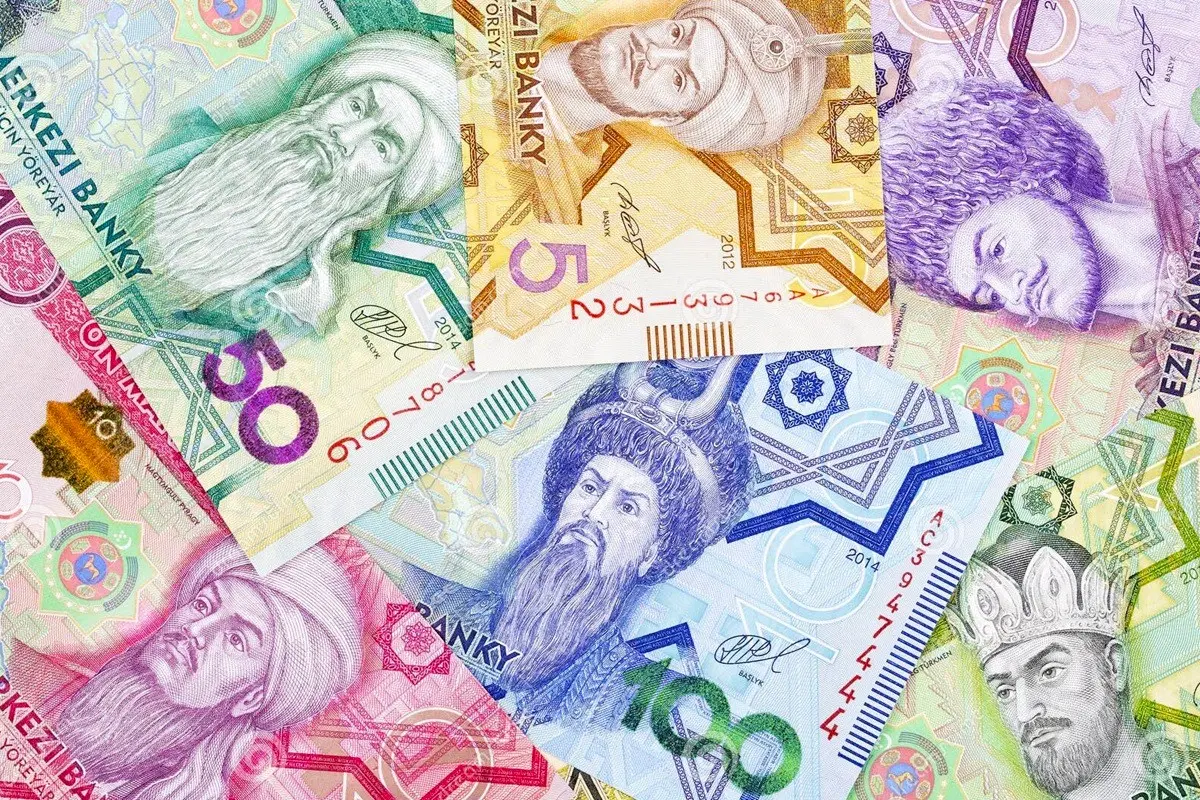
13 Nov. 06:15Turkmenistan’s transition into a new phase of economic development continues to strengthen the role of the national currency across domestic financial and industrial sectors. According to an analytical report published in today’s edition of the newspaper "Türkmenistan," the country’s money supply recorded steady expansion over the past four years. While the total national money supply stood at 60.3 billion manats as of October 1, 2022, it climbed to 77.0 billion manats by October 1, 2026, reflecting a notable 27.6 percent increase.
This substantial growth in domestic currency liquidity provides vital momentum for executing comprehensive national development strategies. The expanded financial capacity supports ongoing economic diversification, the establishment of new industrial facilities, increased manufacturing output, and targeted support for private entrepreneurship. Furthermore, the strengthened monetary base enhances commercial banking activity, accelerates the transition toward a digital economy, and broadens Turkmenistan’s international economic partnerships.
The report emphasizes that the long-term effectiveness of these large-scale initiatives relies fundamentally on the stability and resilience of the nation's financial and banking institutions, which maintain balanced currency circulation while fueling sustainable growth across the real economy.
Also read
Blitz