
Playlist
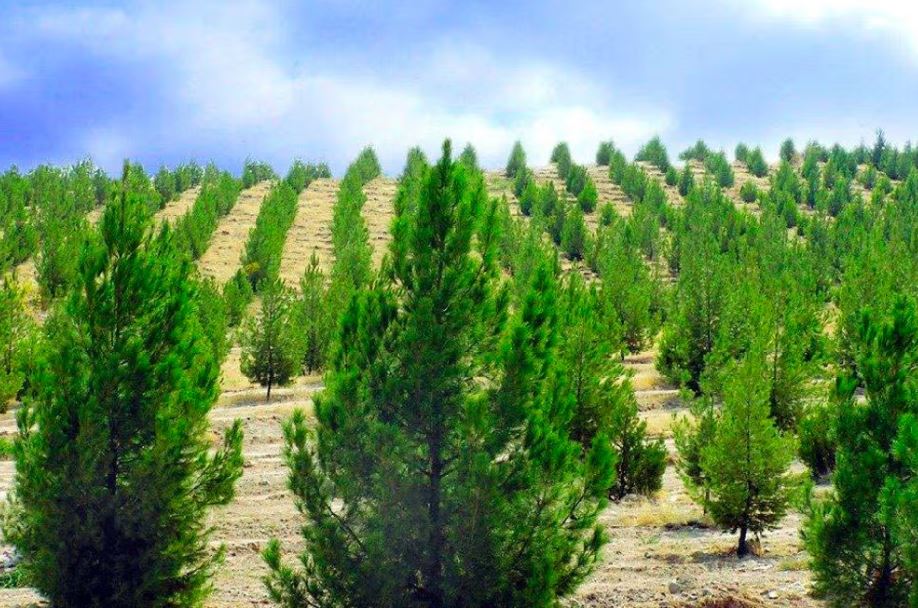
Turkmenistan introduces a comprehensive forest development strategy for 2026–2030
10 Jan. 10:04A high-level expert discussion was held in the capital of Turkmenistan to review the draft National Forest Program of Turkmenistan for the period 2026–2030. The roundtable brought together representatives of Turkmenistan’s environmental authorities, international partners, members of parliament, and leading scientific experts.
The updated program of Turkmenistan is structured into 13 thematic chapters and includes a detailed implementation roadmap. One of its key innovations is the introduction of state-led forest management planning, alongside a stronger focus on restoring natural forest ecosystems, laying the groundwork for a unified forest cadastre across Turkmenistan.
The document places strong emphasis on public-private partnerships. Under the new framework, businesses in Turkmenistan will be able to lease forest fund areas to cultivate fruit, oil-bearing, and medicinal plants, develop eco-tourism initiatives, and generate employment opportunities while maintaining state ownership of land resources.
The strategy of Turkmenistan also addresses desertification control and climate change adaptation. Scientists proposed practical measures to rehabilitate pastures, such as planting black saxaul and utilizing local water runoff for irrigation, solutions that can yield economic returns within three to five years. Forest ecosystems in Turkmenistan are additionally viewed as effective carbon sinks, enabling potential participation in international carbon credit markets.
Digital technologies will play a central role in implementation. Turkmenistan plans to deploy GIS platforms, satellite imagery, and artificial intelligence tools to monitor forest conditions, particularly in remote and hard-to-access areas.
By integrating scientific expertise with private investment, Turkmenistan aims to expand green belts and strengthen the country’s long-term environmental resilience.
Also read




Ecological Shift: Golden Jackals Pro Projected to Inhabit 75% of the European Continent
Today in 06:53Once restricted mainly to the Balkans and the Black Sea coastal regions, golden jackals are rapidly expanding their footprint across Europe. According to a landmark study by an international research team published in Nature Ecology & Evolution, these adaptable predators could eventually inhabit up to 75% of the European continent—nearly a sixfold expansion from their historical range. Scientists arrived at these conclusions after monitoring nearly 9,000 sampling sites across multiple European nations.
Recent sightings and acoustic tracking confirm that jackals have established populations in the Czech Republic, the Baltic region, and even Scandinavia. The species thrives in areas with mild winters, mixed agricultural landscapes, and proximity to water sources. Regional climate warming has transformed previously uninhabitable northern areas into suitable habitats, while farming landscapes offer abundant food sources and coverage.
Biologists attribute this unprecedented expansion primarily to the historical decline of wolf populations, which naturally suppress jackal numbers and limit their movement. Smaller than wolves but slightly larger than foxes, jackals feed on small rodents, carrion, plants, and fruits. Their high ecological adaptability allows them to settle efficiently into newly colonized territories without human interference.
However, their entry into Western and Southern Europe, including countries like France and Spain, poses potential ecological consequences. Environmentalists warn that the arrival of jackals could disrupt local ecosystems and threaten endangered ground-nesting steppe birds and smaller wildlife across the Iberian Peninsula.
Also read




Blitz