
Playlist
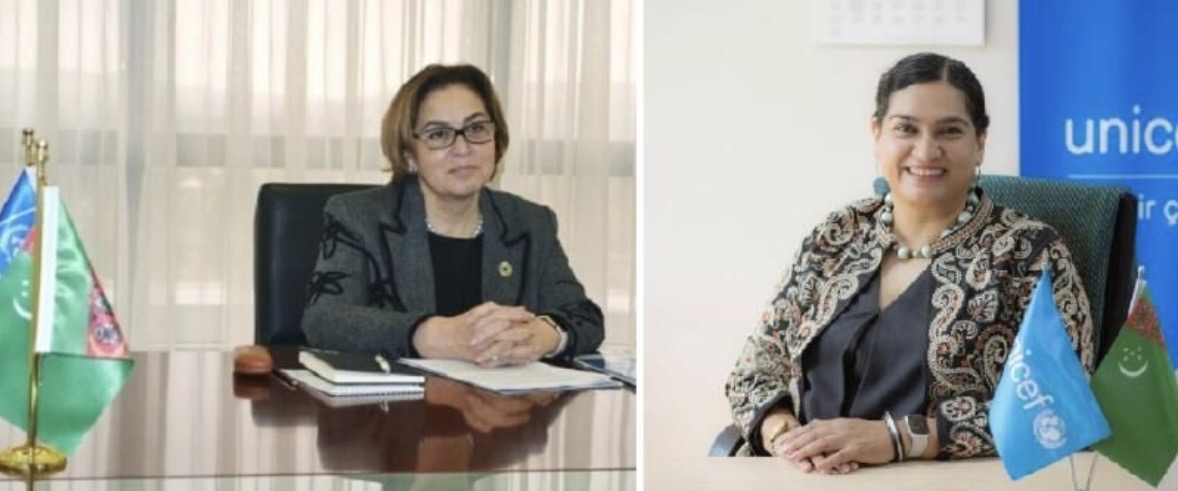
President of Turkmenistan Signs Decree Awarding Foreign Citizens the "Arkadag" Medal
29 Mar. 13:32In a significant move celebrating the 5th anniversary of the Gurbanguly Berdimuhamedov Charity Fund for Assistance to Children in Need of Guardianship, President Serdar Berdimuhamedov signed a decree to honor international representatives with high state awards. This recognition serves as a testament to Turkmenistan's commitment to humanitarian values and its strong partnership with global organizations in the field of child welfare and social protection.
Under the decree, Narine Sahakyan, the Resident Representative of the United Nations Development Programme (UNDP) in Turkmenistan, and Jalpa Mulji Mawji Ratna, the UNICEF Representative in Turkmenistan, were awarded the "Arkadag" medal. This prestigious award recognizes their outstanding personal contributions to strengthening international cooperation, promoting children's rights, and advancing humanitarian initiatives across the nation.
The decree emphasizes the vital role these representatives have played in supporting the integration of children in need of guardianship into active social life. Their dedicated work has been instrumental in facilitating charitable and volunteer movements, which are core pillars of the Gurbanguly Berdimuhamedov Charity Fund’s mission. Through their professional expertise and passion, they have helped bridge national efforts with international standards, ensuring that every child in Turkmenistan has access to essential resources and care.
Awarding the "Arkadag" medal to UN leaders underscores the strategic and enduring nature of the relationship between Turkmenistan and the United Nations. This act reflects the nation's deep-rooted traditions of benevolence and its modern aspirations for a more equitable society. The continued collaboration between the state and international humanitarian bodies remains a fundamental part of Turkmenistan's social policy, aiming to foster a healthy, safe, and prosperous environment for future generations.
Also read
Solar Mini-Grids to Power Remote Communities Across Turkmenistan Under New Four-Million-Dollar UNDP Initiative
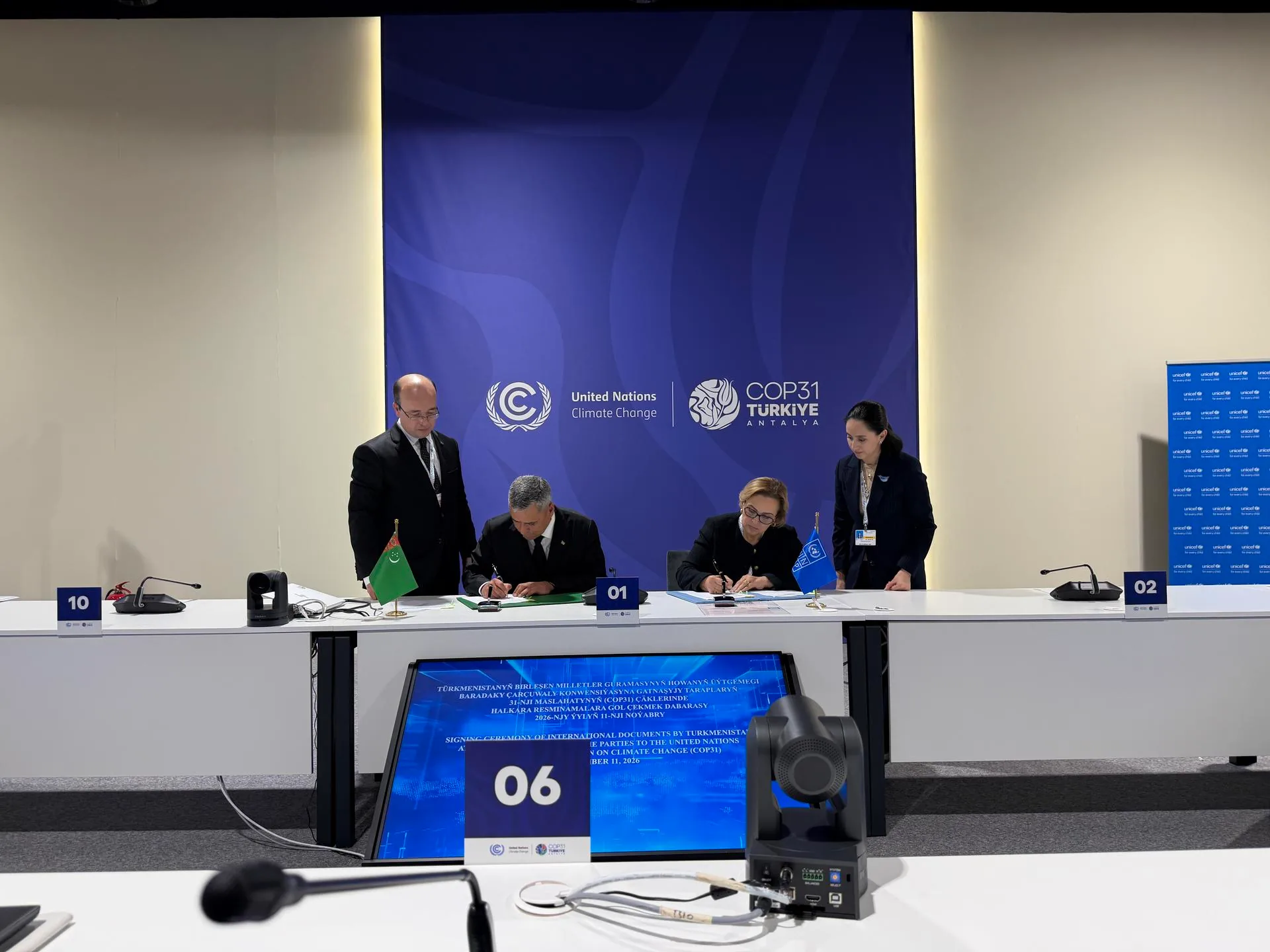
13 Nov. 14:30Following the landmark climate agreements signed on the sidelines of the COP31 conference in Antalya, the United Nations Development Programme (UNDP) has unveiled comprehensive details regarding its upcoming clean energy partnership with the Government of Turkmenistan. Backed by a Global Environment Facility (GEF) grant exceeding 4.17 million US dollars, the five-year project titled "Supporting Energy Transition for Remote Settlements of Turkmenistan" will be executed by the United Nations Office for Project Services (UNOPS) in close coordination with Turkmenistan's Ministry of Environmental Protection and Ministry of Energy.
A central pillar of the initiative involves installing and commissioning up to ten pilot solar mini-power plants with a combined capacity of up to 2 MW in isolated communities that currently rely heavily on diesel generators for electricity. These demonstration facilities will showcase the viability of solar power across Turkmenistan's remote regions and establish a blueprint for broader clean energy adoption. Building upon the operational experience gained from these initial sites, experts will conduct feasibility assessments and prepare tailored technical solutions for potentially deploying solar energy systems in an additional 120 remote settlements.
Beyond physical infrastructure, the project focuses on strengthening the regulatory and institutional framework for renewable energy, training local specialists, and expanding domestic technical expertise. UNDP Resident Representative in Turkmenistan Narine Sahakyan noted that expanding access to reliable, clean electricity significantly enhances community resilience and human well-being—particularly for women and vulnerable groups—by translating national ambitions into tangible investments. The program directly supports Turkmenistan's National Strategy for the Development of Renewable Energy through 2030, advancing the country's commitments under the Paris Agreement and the United Nations Sustainable Development Goals.
Blitz