
Playlist
Turkmenistan to Host the Grand Final of the "Tatar Kyzy — 2026" International Contest
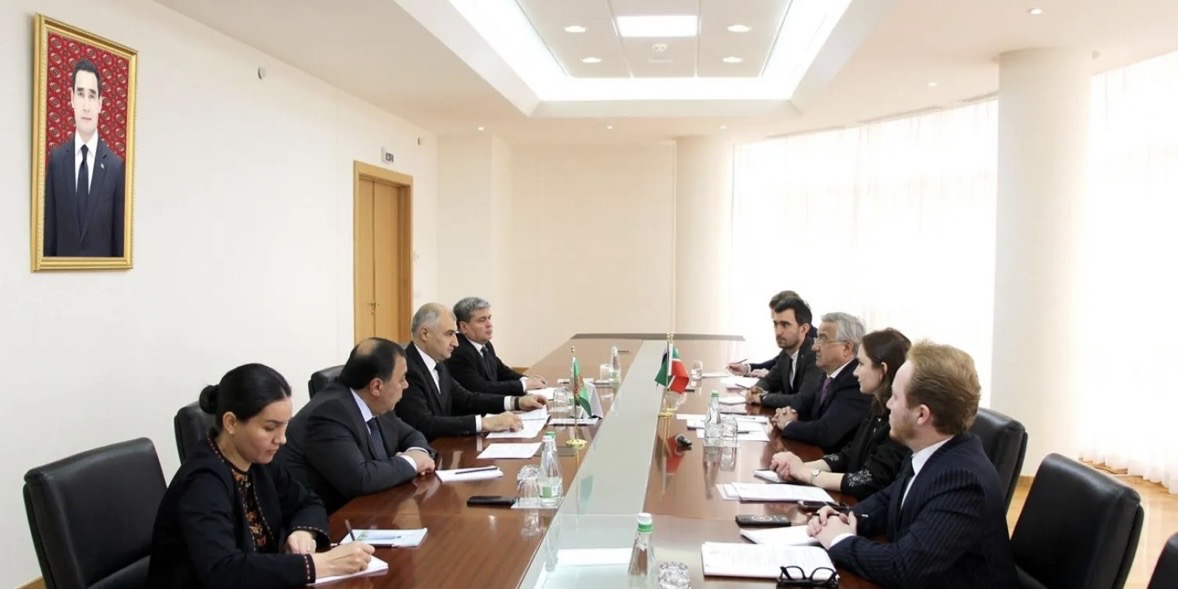
15 Apr. 15:35In October 2026, Turkmenistan will serve as the official host for the final stage of the prestigious "Tatar Kyzy — 2026" international contest. This announcement follows successful diplomatic discussions held in Ashgabat between Turkmenistan's Deputy Foreign Minister Ahmet Gurbanov and the Deputy Prime Minister of the Republic of Tatarstan, Vasil Shaykhraziev. The decision highlights the strengthening cultural bonds and the strategic humanitarian partnership between the two regions.
The bilateral talks focused on the organizational framework and logistical requirements necessary for the international event. Both parties reviewed the preparatory roadmap, including the cultural program and accommodation standards for international participants. Turkmenistan reaffirmed its commitment to providing high-level administrative support, ensuring that the 2026 final meets the highest standards of international cultural festivals.
Officials emphasized that the "Tatar Kyzy" project serves as more than a competition of talent and grace; it is a vital platform for preserving national traditions and spiritual values. By hosting this event, Turkmenistan aims to promote inter-ethnic dialogue and foster a deeper understanding of shared cultural heritage. The contest is expected to attract widespread attention, celebrating the resilience of ancestral customs in a modern global context.
The privilege of hosting the 2026 final was secured following the remarkable victory of Alsu Rafikova, who represented Turkmenistan in the 2025 edition of the contest. Her achievement paved the way for this significant cultural homecoming, turning Ashgabat into a focal point for the Tatar diaspora and international cultural observers. The upcoming October forum will further establish Turkmenistan’s role as a major venue for high-profile international humanitarian initiatives.
Also read

Solar Mini-Grids to Power Remote Communities Across Turkmenistan Under New Four-Million-Dollar UNDP Initiative
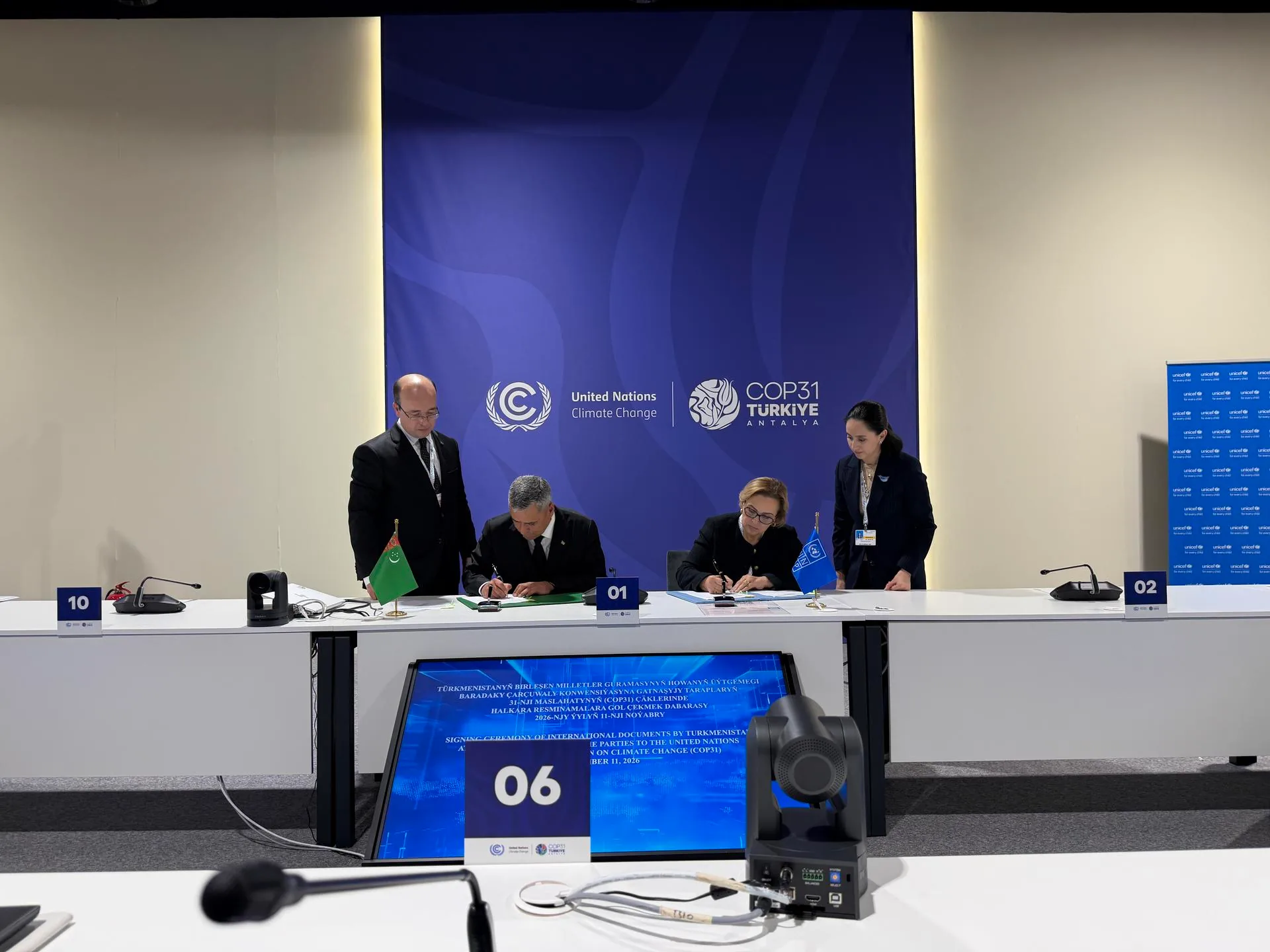
13 Nov. 14:30Following the landmark climate agreements signed on the sidelines of the COP31 conference in Antalya, the United Nations Development Programme (UNDP) has unveiled comprehensive details regarding its upcoming clean energy partnership with the Government of Turkmenistan. Backed by a Global Environment Facility (GEF) grant exceeding 4.17 million US dollars, the five-year project titled "Supporting Energy Transition for Remote Settlements of Turkmenistan" will be executed by the United Nations Office for Project Services (UNOPS) in close coordination with Turkmenistan's Ministry of Environmental Protection and Ministry of Energy.
A central pillar of the initiative involves installing and commissioning up to ten pilot solar mini-power plants with a combined capacity of up to 2 MW in isolated communities that currently rely heavily on diesel generators for electricity. These demonstration facilities will showcase the viability of solar power across Turkmenistan's remote regions and establish a blueprint for broader clean energy adoption. Building upon the operational experience gained from these initial sites, experts will conduct feasibility assessments and prepare tailored technical solutions for potentially deploying solar energy systems in an additional 120 remote settlements.
Beyond physical infrastructure, the project focuses on strengthening the regulatory and institutional framework for renewable energy, training local specialists, and expanding domestic technical expertise. UNDP Resident Representative in Turkmenistan Narine Sahakyan noted that expanding access to reliable, clean electricity significantly enhances community resilience and human well-being—particularly for women and vulnerable groups—by translating national ambitions into tangible investments. The program directly supports Turkmenistan's National Strategy for the Development of Renewable Energy through 2030, advancing the country's commitments under the Paris Agreement and the United Nations Sustainable Development Goals.
Blitz