
Playlist
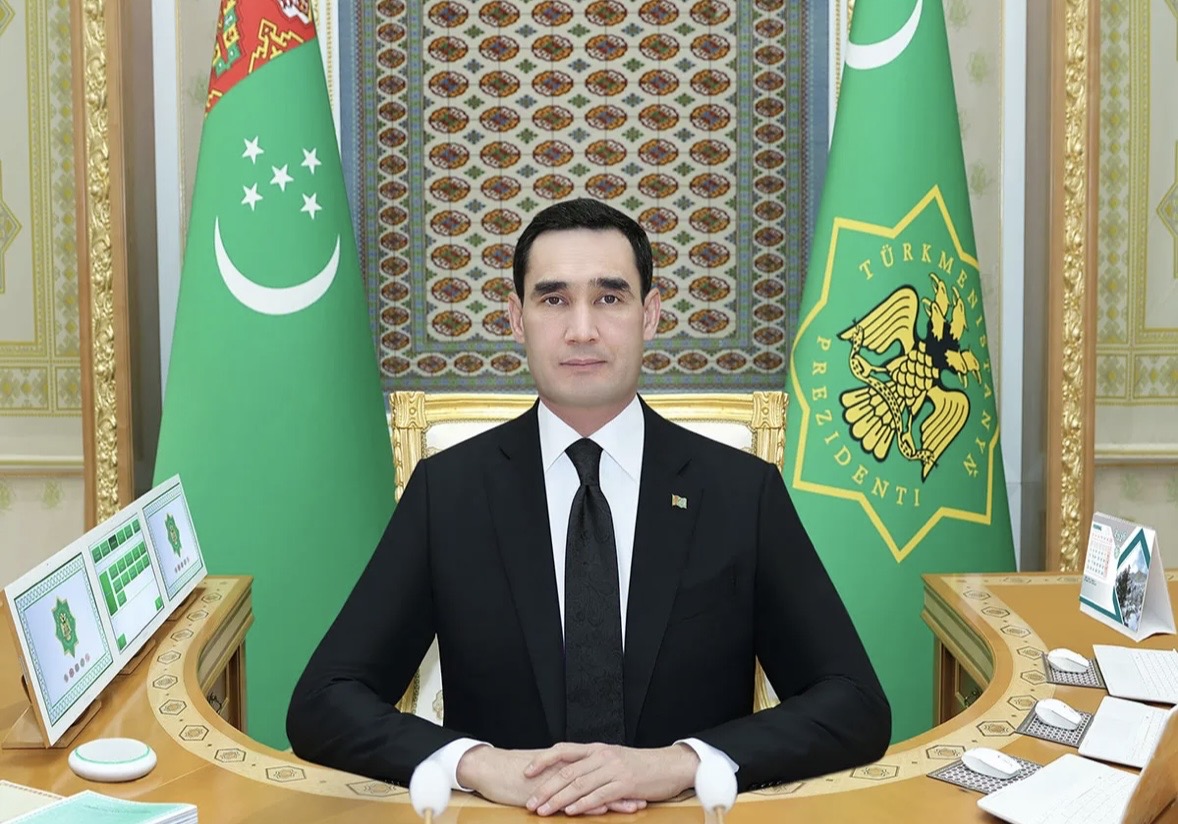
President Serdar Berdimuhamedov chaired a meeting of the State Security Council in Ashgabat to review the performance of the nation's military and law enforcement agencies from January to May of this year. The high-level meeting focused on assessing measures aimed at maintaining national stability, safeguarding borders, and modernizing the infrastructure of the armed forces.
During the session, the Minister of Defense presented a comprehensive report on the execution of the long-term military development program. The briefing highlighted the progress of the ongoing conscription campaign, the scheduled discharge of personnel, and professional development initiatives for the officer corps. Furthermore, the report outlined current steps taken to upgrade the living standards and logistical support for military personnel.
The Supreme Commander-in-Chief instructed heads of military structures to maintain strict discipline across all branches of the armed forces. The Head of State emphasized that fostering patriotism among young recruits and ensuring high-quality social benefits for servicemen remain core priorities of the government, directing officials to continuously improve training and housing conditions.
Concluding the meeting, the President reaffirmed Turkmenistan's commitment to its strictly defensive military doctrine. He stated that the government would continue to systematically invest in national defense capabilities and territorial integrity, while enhancing social security for defenders of the Motherland and their families. A series of official resolutions were adopted by the head of state following the discussions.
Also read
Solar Mini-Grids to Power Remote Communities Across Turkmenistan Under New Four-Million-Dollar UNDP Initiative
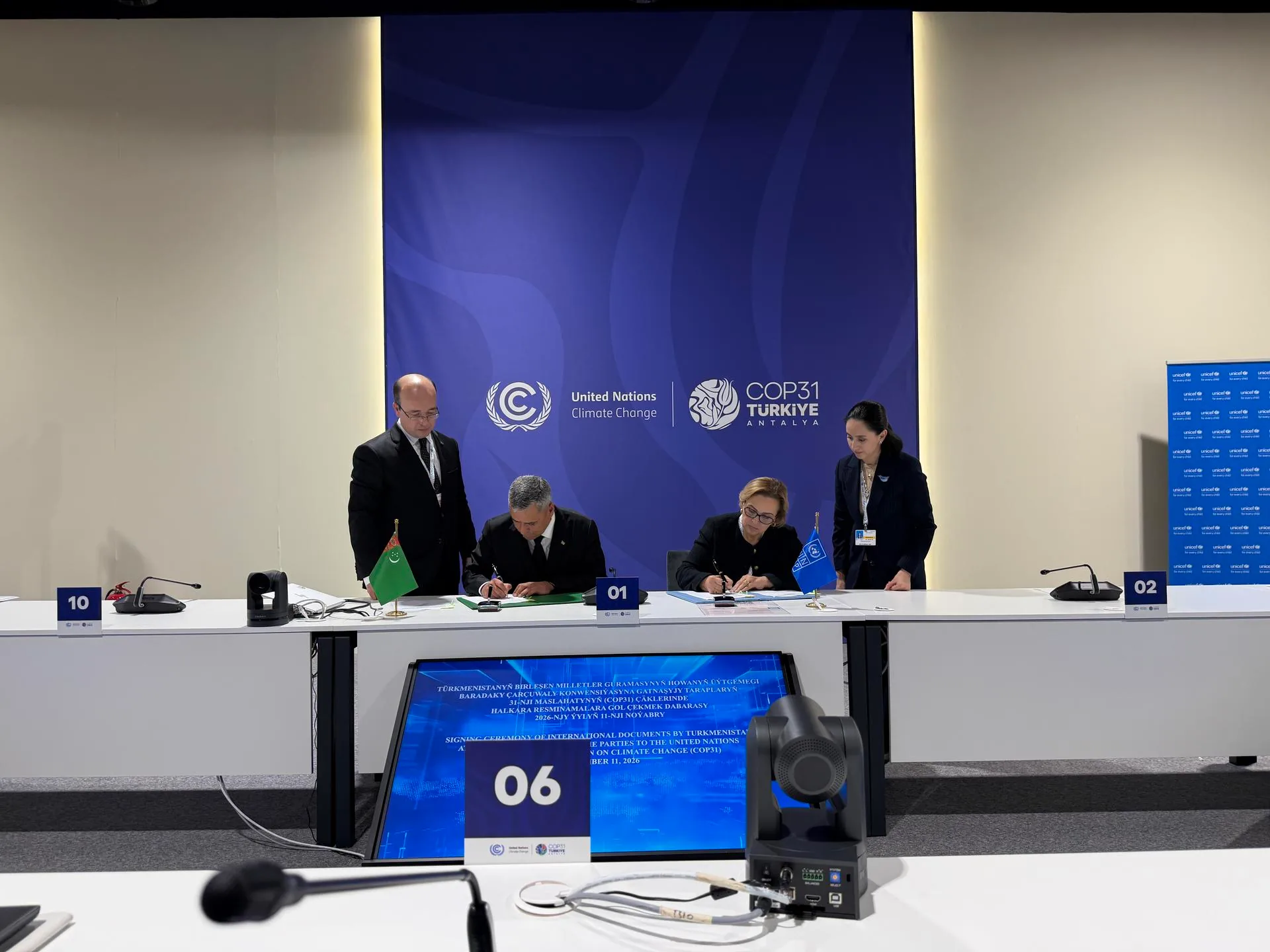
13 Nov. 14:30Following the landmark climate agreements signed on the sidelines of the COP31 conference in Antalya, the United Nations Development Programme (UNDP) has unveiled comprehensive details regarding its upcoming clean energy partnership with the Government of Turkmenistan. Backed by a Global Environment Facility (GEF) grant exceeding 4.17 million US dollars, the five-year project titled "Supporting Energy Transition for Remote Settlements of Turkmenistan" will be executed by the United Nations Office for Project Services (UNOPS) in close coordination with Turkmenistan's Ministry of Environmental Protection and Ministry of Energy.
A central pillar of the initiative involves installing and commissioning up to ten pilot solar mini-power plants with a combined capacity of up to 2 MW in isolated communities that currently rely heavily on diesel generators for electricity. These demonstration facilities will showcase the viability of solar power across Turkmenistan's remote regions and establish a blueprint for broader clean energy adoption. Building upon the operational experience gained from these initial sites, experts will conduct feasibility assessments and prepare tailored technical solutions for potentially deploying solar energy systems in an additional 120 remote settlements.
Beyond physical infrastructure, the project focuses on strengthening the regulatory and institutional framework for renewable energy, training local specialists, and expanding domestic technical expertise. UNDP Resident Representative in Turkmenistan Narine Sahakyan noted that expanding access to reliable, clean electricity significantly enhances community resilience and human well-being—particularly for women and vulnerable groups—by translating national ambitions into tangible investments. The program directly supports Turkmenistan's National Strategy for the Development of Renewable Energy through 2030, advancing the country's commitments under the Paris Agreement and the United Nations Sustainable Development Goals.
Blitz