
Playlist
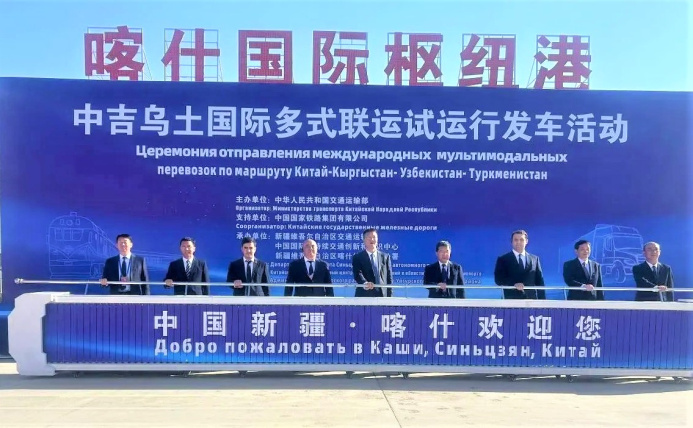
A new international freight route linking China, Kyrgyzstan, Uzbekistan, and Turkmenistan was inaugurated on October 15 in Kashgar, located in China's Xinjiang region. Seven trucks departed toward the Kyrgyz border, initiating a multimodal logistics chain.
The cargo will be transported by road to Kyrgyzstan, then transferred to railways bound for Uzbekistan, eventually arriving in Turkmenistan. A portion of the shipment will cross the Caspian Sea to Azerbaijan. Deliveries are expected to reach Uzbekistan by October 21 and Turkmenistan by October 24.
This route is part of a trial phase within the southern segment of the Trans-Caspian Transport Corridor connecting China and Europe via Central Asia. The journey begins in the Chinese cities of Xi’an and Chengdu.
One of the paths will enable direct transportation between Kyrgyzstan, Uzbekistan, and Turkmenistan using Chinese logistics services, with Ashgabat as the final destination. The initial cargo includes electronics and mechanical equipment.
The initiative aims to diversify regional logistics networks, enhance connectivity between Central Asia and China, and strengthen the Middle Corridor as an alternative trade route to Europe.
Also read


On-the-Go Power: Japanese Engineers Develop Wireless In-Road Charging for Electric Vehicles
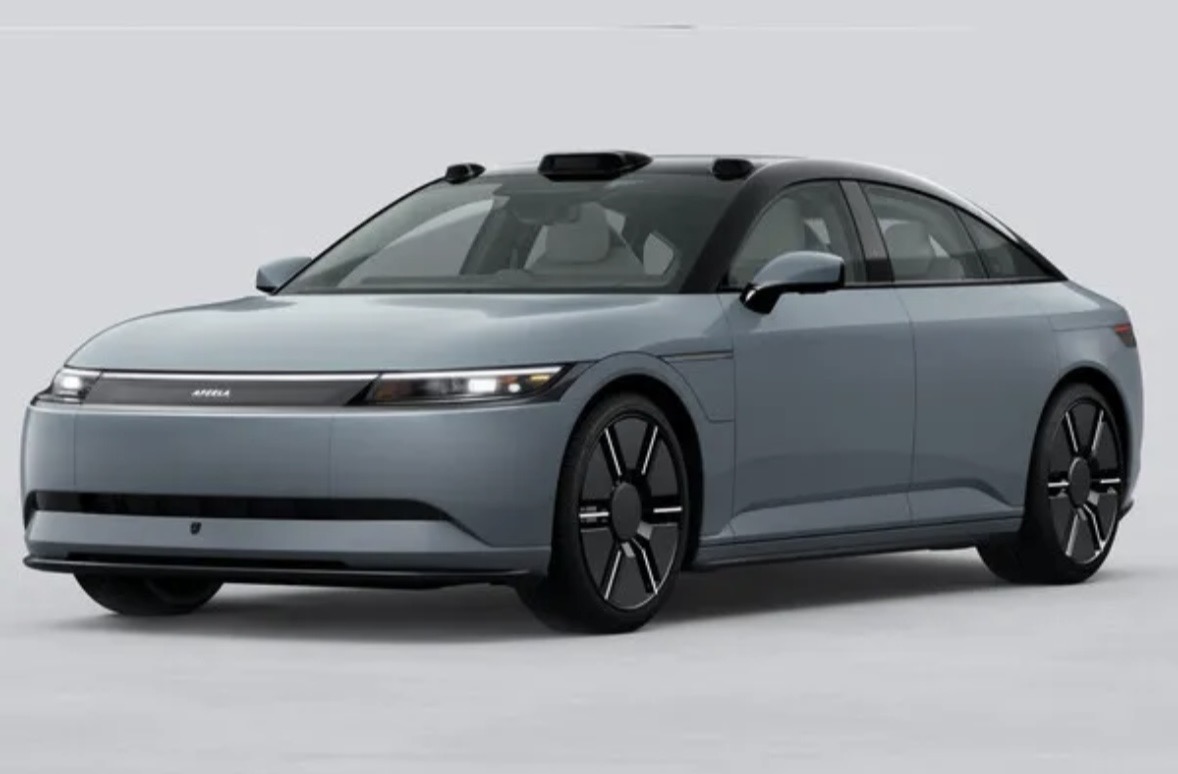
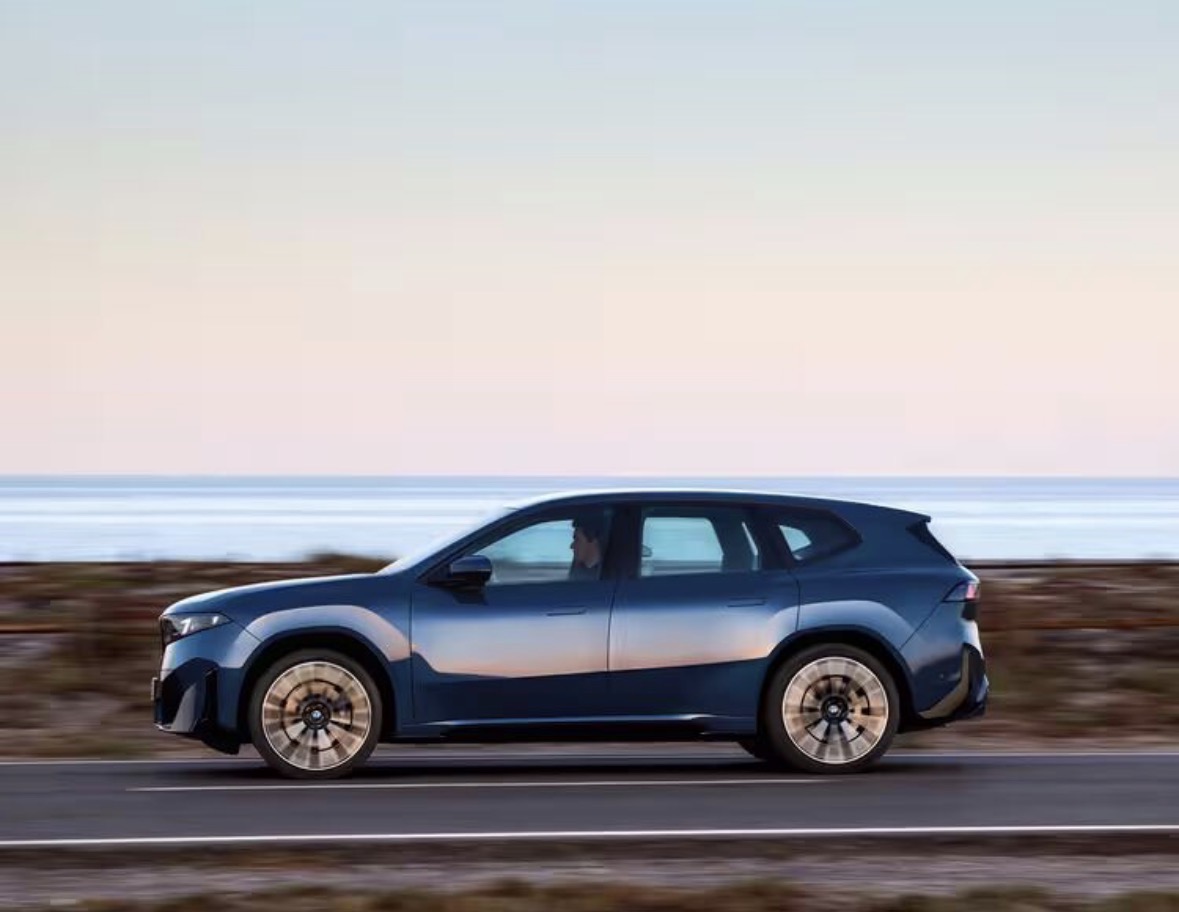
10 Oct. 08:10In a major leap for electric mobility, Honda R&D, alongside Taisei Corporation and Taisei Rotec, has unveiled an innovative dynamic wireless charging system that charges electric vehicles as they drive. By embedding compact energy-transmitting modules directly into the road surface, the system transfers power via a magnetic field to receivers mounted underneath moving vehicles. Designed to withstand heavy commercial transport up to 20 tons, real-world road testing is scheduled to begin in Japan in April 2027.
The technology eliminates the need for full road reconstruction, as modules can be integrated directly into milled asphalt layers. Aimed at boosting charging power up to 150 kW in future iterations, this infrastructure solution promise to significantly reduce grid pressure on traditional charging stations, particularly for logistics and commercial fleets.
Also read



Blitz