
Playlist
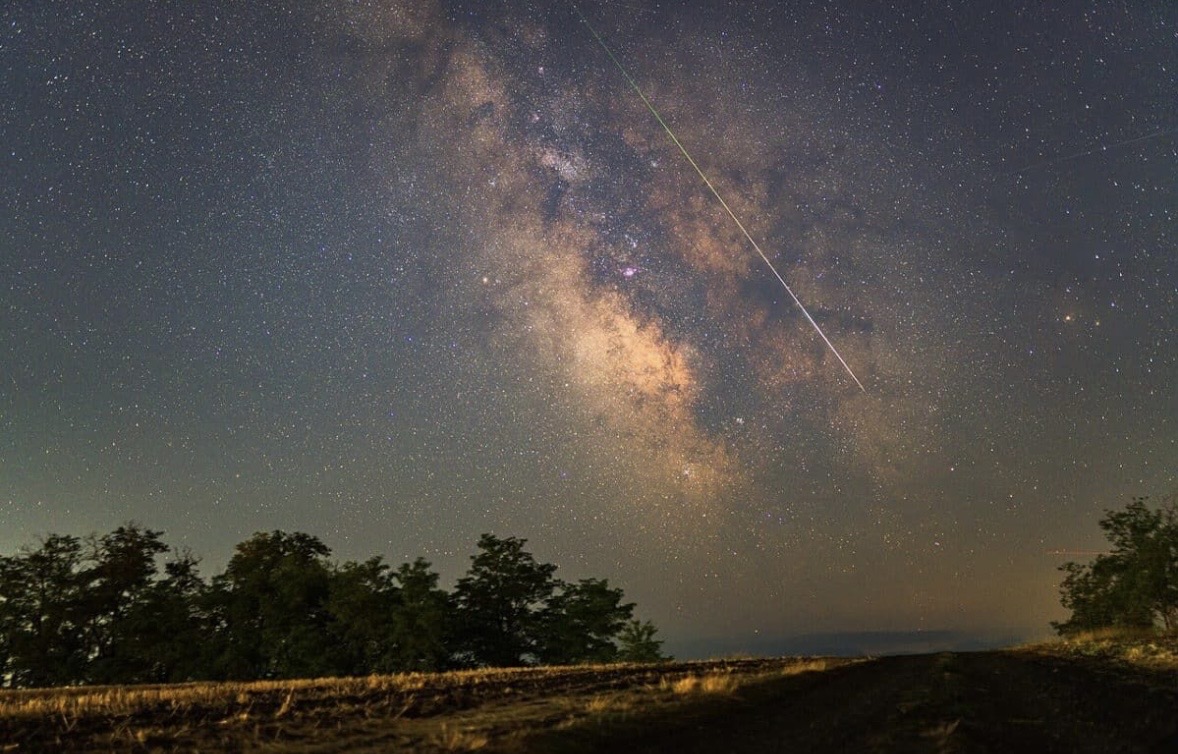
In late March 2026, stargazers will have the chance to witness two distinct meteor showers: the Gamma Normids and the Eta Virginids. The Gamma Normids will remain active until March 28, while the Eta Virginids will peak around March 25. The low luminosity of the Moon during this period provides excellent viewing conditions, making it easier to spot the streaks of light across the night sky without significant interference from lunar glare.
The origin of the Gamma Normids remains a scientific mystery, as the parent body—whether a comet or an asteroid—has not yet been reliably identified. According to Evgeniy Burmistrov, an expert from Perm Polytechnic University, this particular shower produces about six meteors per hour. These meteors enter the Earth's atmosphere at a staggering speed of approximately 60 kilometers per second, resulting in swift and brilliant flashes of light.
The Eta Virginids, on the other hand, are known to originate from asteroids. Scientists have noted that the composition and density of Eta Virginid meteoroids are remarkably similar to the famous Geminids, which are known for their bright and long-lasting trails. One of the best things about this astronomical event is that it requires no special equipment; anyone with a clear view of the sky can enjoy the spectacle with the naked eye.
To get the best possible view, experts recommend heading away from city lights and finding a spot with an unobstructed view of the eastern and south-eastern horizons. It takes about 20 minutes for human eyes to adjust to the darkness, so observers are advised to be patient and avoid looking at mobile phone screens to preserve their night vision. The optimal viewing time is after midnight and during the hours just before dawn when the sky is at its darkest.
Also read



On-the-Go Power: Japanese Engineers Develop Wireless In-Road Charging for Electric Vehicles
10 Oct. 08:10In a major leap for electric mobility, Honda R&D, alongside Taisei Corporation and Taisei Rotec, has unveiled an innovative dynamic wireless charging system that charges electric vehicles as they drive. By embedding compact energy-transmitting modules directly into the road surface, the system transfers power via a magnetic field to receivers mounted underneath moving vehicles. Designed to withstand heavy commercial transport up to 20 tons, real-world road testing is scheduled to begin in Japan in April 2027.
The technology eliminates the need for full road reconstruction, as modules can be integrated directly into milled asphalt layers. Aimed at boosting charging power up to 150 kW in future iterations, this infrastructure solution promise to significantly reduce grid pressure on traditional charging stations, particularly for logistics and commercial fleets.
Blitz