
Playlist

National Geographic Places Turkey’s Black Sea Coast in the “Best of the World 2026” List
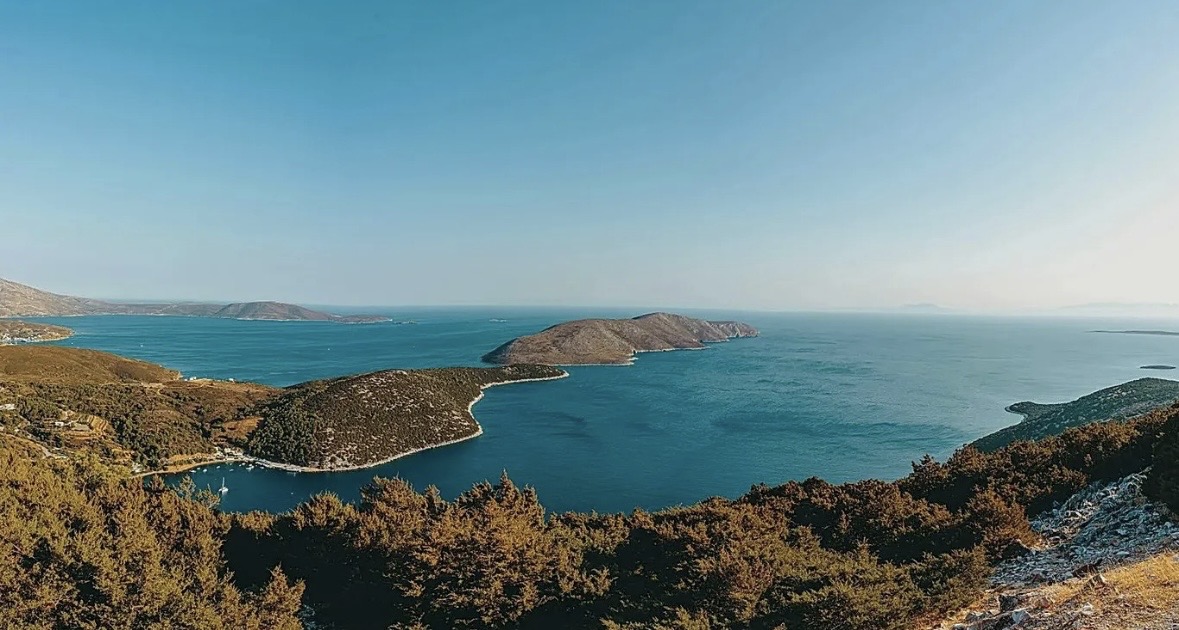
14 Nov. 12:19The Black Sea coast of Turkey — a lush and culturally rich region in the country’s north — has been featured by National Geographic in its Best of the World 2026 ranking. The editors recommend this lesser-known coastal area as an alternative to crowded tourist hotspots for travelers seeking authentic Turkish culture and outdoor adventures.
Each year, the Best of the World list highlights 25 destinations selected by NatGeo travel experts. The inclusion of the Black Sea region shows that Turkey attracts visitors not only with its classic “sun–sea–sand” formula but also with mountains, valleys, heritage sites, and a unique local lifestyle.
A Distinct Jewel of Northern Turkey
Stretching along the Black Sea shore and backed by the forested North Anatolian Mountains, the region is known for fog-covered hills, traditional villages, and tranquil landscapes.
It has been rising in popularity: CNN Travel ranked it among the best destinations to visit in 2024, and Lonely Planet selected the provinces of Ordu and Giresun for its Best in Travel 2025 guide.
Now National Geographic also encourages travelers to explore this northern territory, emphasizing its diversity — from beaches and natural parks to historic architecture and regional cuisine. The area remains relatively undiscovered but holds all the qualities of a future top travel destination.
Adventures Across Wide Landscapes
Once a bustling trading point on the Silk Road, Turkey’s Black Sea coast today invites visitors to engage with its nature through active experiences.
The North Anatolian Mountains, part of the Alpine–Himalayan belt, offer national parks ideal for hiking and camping under starry skies.
Travelers can also explore:
-
the Karaca Cave in Gümüşhane with millions-year-old formations,
-
rafting on the Fırtına River,
-
adrenaline-filled ziplining above the Ayder Plateau in Rize.
A unique feature highlighted by National Geographic is the ability to surf and ski on the same day: beaches along the coast and the ski slopes of Çambaşı (Ordu) and Ovit (Rize) make it possible.
The region is rich in heritage landmarks such as the medieval Zil Castle (Rize), the Sumela Monastery, and the Hagia Sophia in Trabzon. Historic settlements include UNESCO-listed Safranbolu and the Orta Mahalle district in Trabzon.
A Culinary Landscape Full of Character
The region invites visitors on a gastronomic journey, where local dishes are closely tied to tradition and geography. Seafood, especially anchovies, plays a central role — notably in hamsili pilav, an anchovy rice dish.
Signature foods include:
-
kuymak, a cheese-and-cornmeal breakfast,
-
Akçaabat köfte, flavorful meatballs,
-
Samsun pide, a famous Turkish flatbread,
-
karalahana dolması, cabbage rolls with rice and meat,
-
Hamsiköy sütlaç, a creamy rice pudding.
The Black Sea microclimate is ideal for premium agricultural products. The world’s finest hazelnuts grow in Ordu and Giresun, while the tea terraces of Rize, Trabzon, and Artvin create unforgettable scenery. Tea-picking tours in Çeçeva village (Rize) are especially recommended.


Facing a record drop in fertility rates, Singapore is significantly expanding its family support framework. According to Bloomberg, Prime Minister Lawrence Wong announced increases in direct financial assistance alongside enhanced housing benefits for young families.
Under the updated policy, every Singaporean child up to the age of 17 will be eligible to receive up to 70,000 Singapore dollars (approximately $55,000 USD) in total support, which includes cash payouts, educational grants, and related benefits. The government is also expanding paid parental leave and capping monthly out-of-pocket costs for government-subsidized childcare at 150 Singapore dollars.
These interventions aim to reverse a severe demographic decline, marked by last year's fertility rate drop to 0.87 children per woman, while over 20% of the country's population is currently aged 65 or older.
Also read


Blitz