
Playlist
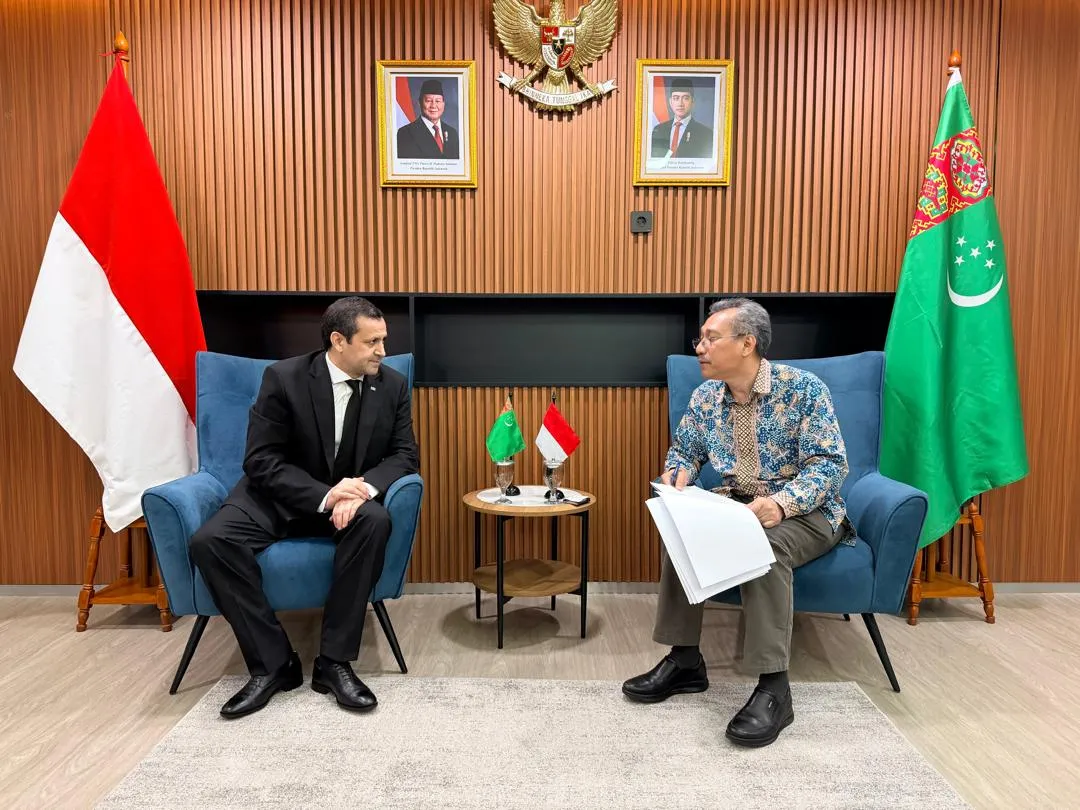
Indonesia to Offer Turkmenistan Educational Programs and Student Placements
07 Nov. 12:32On November 6, Turkmenistan’s newly appointed Ambassador to the Republic of Indonesia, based in Kuala Lumpur, Mr. M. Mashalov, met with Mr. Togar Simatupang, Secretary-General of Indonesia’s Ministry of Higher Education, Science, and Technology, according to a statement from Turkmenistan’s Ministry of Foreign Affairs.
During the meeting, the two sides discussed the development of bilateral cooperation in the fields of science, education, and technology. They also considered drafting a Memorandum of Understanding on cooperation in higher education between Turkmenistan and Indonesia.
The Secretary-General noted Indonesia’s readiness to offer Turkmenistan several educational initiatives, including scholarship opportunities and university placements for Turkmen students, as well as programs aimed at expanding academic collaboration.
Also read

Number of New International Students in the US Drops by 15%
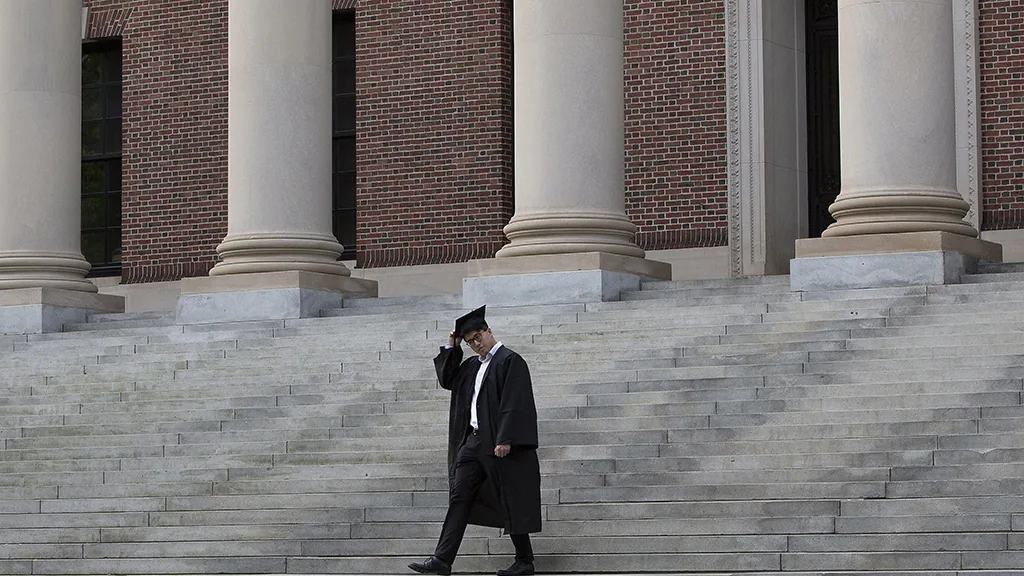
17 Nov. 17:00During the fall 2026 semester, the number of new international students enrolled in American educational institutions declined by 15% compared to the same period last year, according to CNBC. Over the entirety of the 2025–2026 academic year, the total population of international students in the United States dropped by more than 17%, with the steepest declines observed among students hailing from India and China.
Colleges surveyed by the publication attribute this downward trend to tighter US immigration policies and recent modifications governing student visa validity periods.
Data from NAFSA: Association of International Educators shows that international students contributed nearly $40 billion to the US economy during the 2025–2026 academic year. The drop in enrollment is projected to trigger financial losses of approximately $2.4 billion this academic year.
Fitch Ratings notes that shifts in visa regulations will primarily impact the financial stability of American colleges and universities. International enrollees typically pay full tuition or receive far less financial aid than domestic students. The consequences could prove especially severe for institutions heavily reliant on large master's programs and STEM (science, technology, engineering, and math) courses, which attract 57% of all international students.
Also read


Blitz