
Playlist
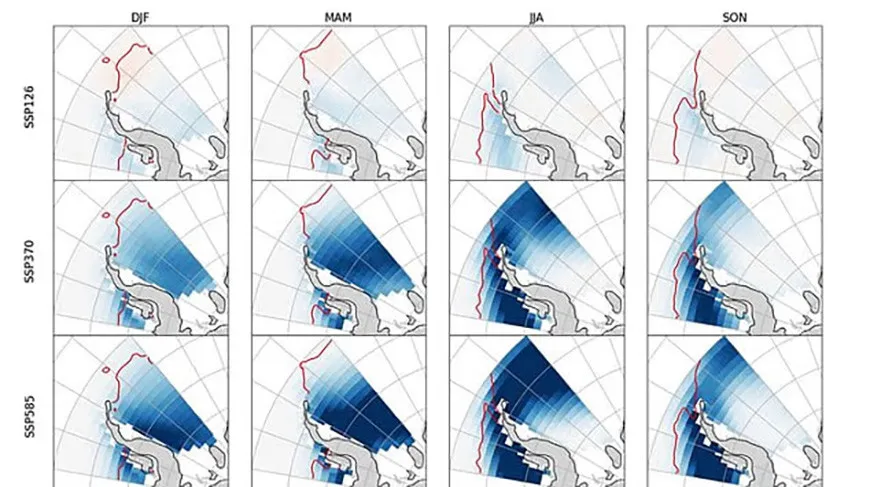
Ecological Crisis: Projected Ice Loss in Antarctica by the Turn of the Century
21 Feb. 11:54International scientific reports suggest that by the year 2100, the Antarctic Peninsula could witness a reduction of its ice mass by approximately 20% if global climate trends continue on their current trajectory. This massive loss of glacial volume is expected to significantly accelerate the rise in global sea levels, posing a direct threat to maritime stability. Experts highlight that as ice disappears, the Southern Ocean will absorb more thermal energy due to the darkening of its surface, a process that further intensifies the warming of the planet.
The degradation of these polar regions is not merely a geographical concern but a biological catastrophe in the making. The shifting environment is likely to disrupt the breeding cycles and habitats of indigenous wildlife, leading to long-term ecological damage. Projections indicate that the melting of the peninsula alone could contribute dozens of millimeters to the rising oceans, exacerbating the frequency of natural disasters and unpredictable weather patterns worldwide.
Current data shows that global emissions remain at a high level, yet researchers remain hopeful that mitigation strategies can still alter the outcome. By implementing strict controls on greenhouse gas emissions and shifting toward sustainable energy practices, the international community may be able to significantly diminish the severity of these environmental impacts. Protecting the Antarctic ice sheet remains a critical priority for maintaining the Earth’s climatic equilibrium.
Also read



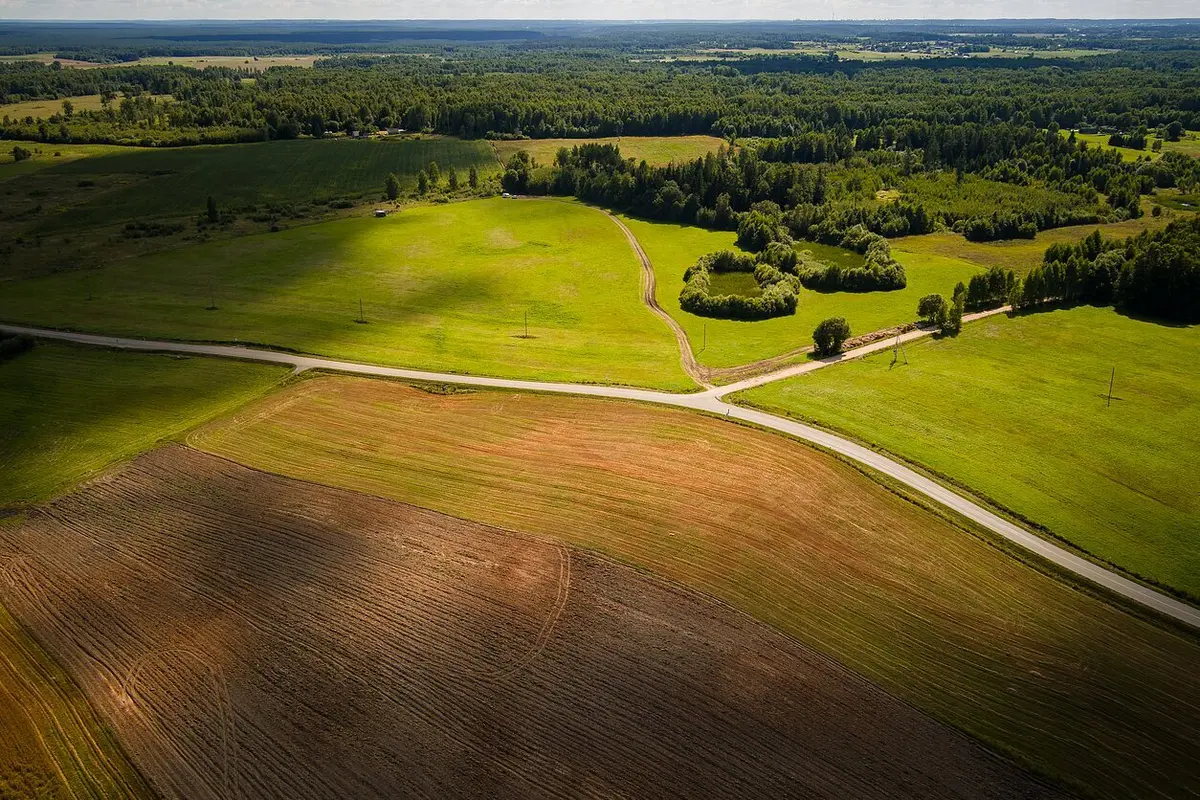
Seismic First: Scientists Officially Confirm Natural Earthquakes in Lithuania
10 Oct. 10:55The Geological Survey of Lithuania, supported by seismologists from the University of Helsinki, has officially confirmed the occurrence of natural tectonic earthquakes within the country’s borders for the first time. The seismic events, measuring 2.4 and 2.7 on the magnitude scale, occurred in western Lithuania near the Gargždai fault zone in December 2025. Furthermore, updated analysis of international seismic data allowed experts to reclassify a previously ambiguous 2015 tremor as a natural earthquake rather than human-induced activity.
Although the low-intensity quakes caused no structural damage or casualties, they mark the first instrumentally verified natural tectonic events recorded in modern Lithuanian history.
Also read



Blitz