
Playlist
Brucellosis Training Held in Turkmenistan under FAO’s Regional “One Health” Project
22 Oct. 08:43Training on Brucellosis Held in Turkmenistan under FAO’s Regional “One Health” Project
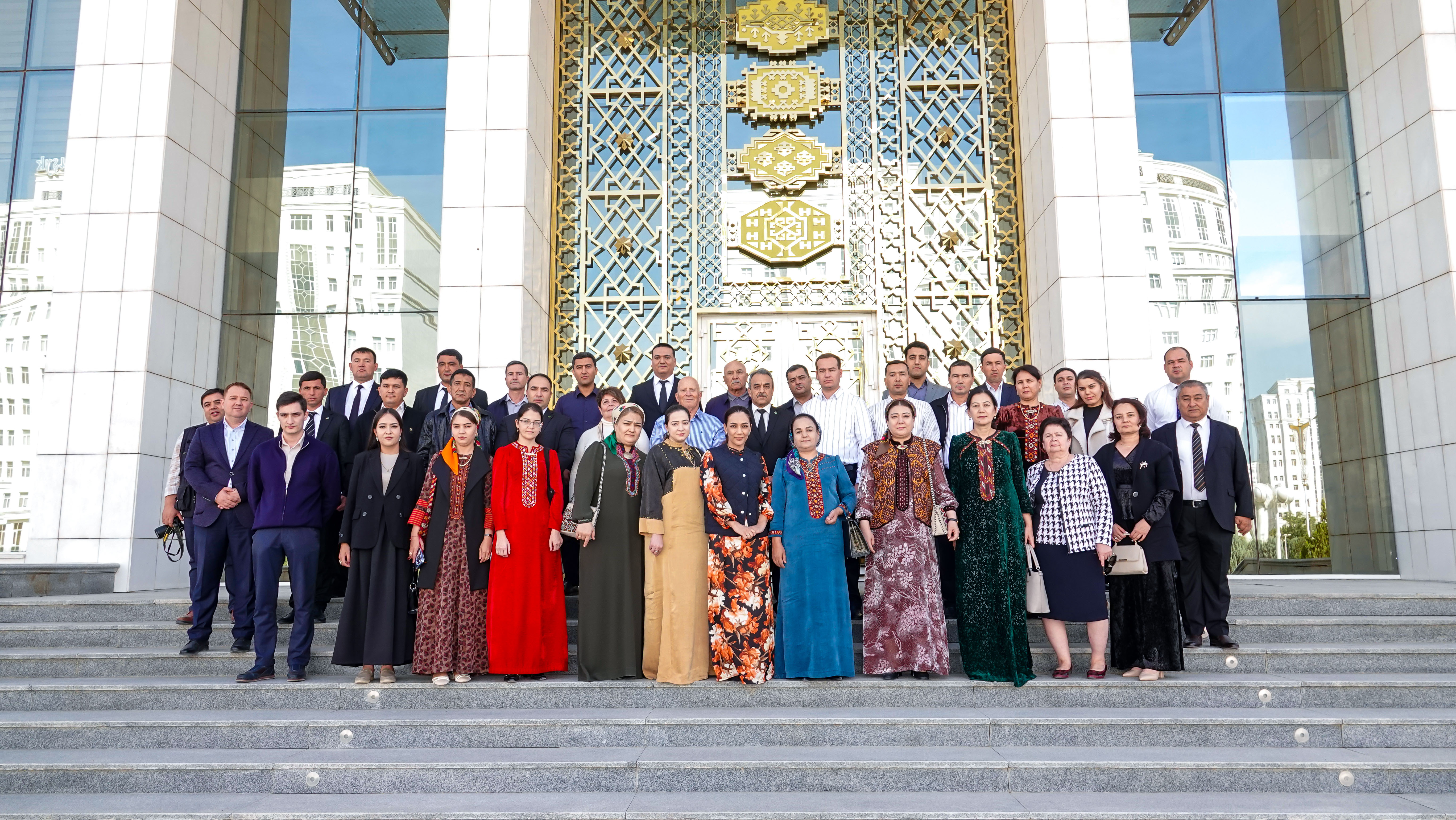
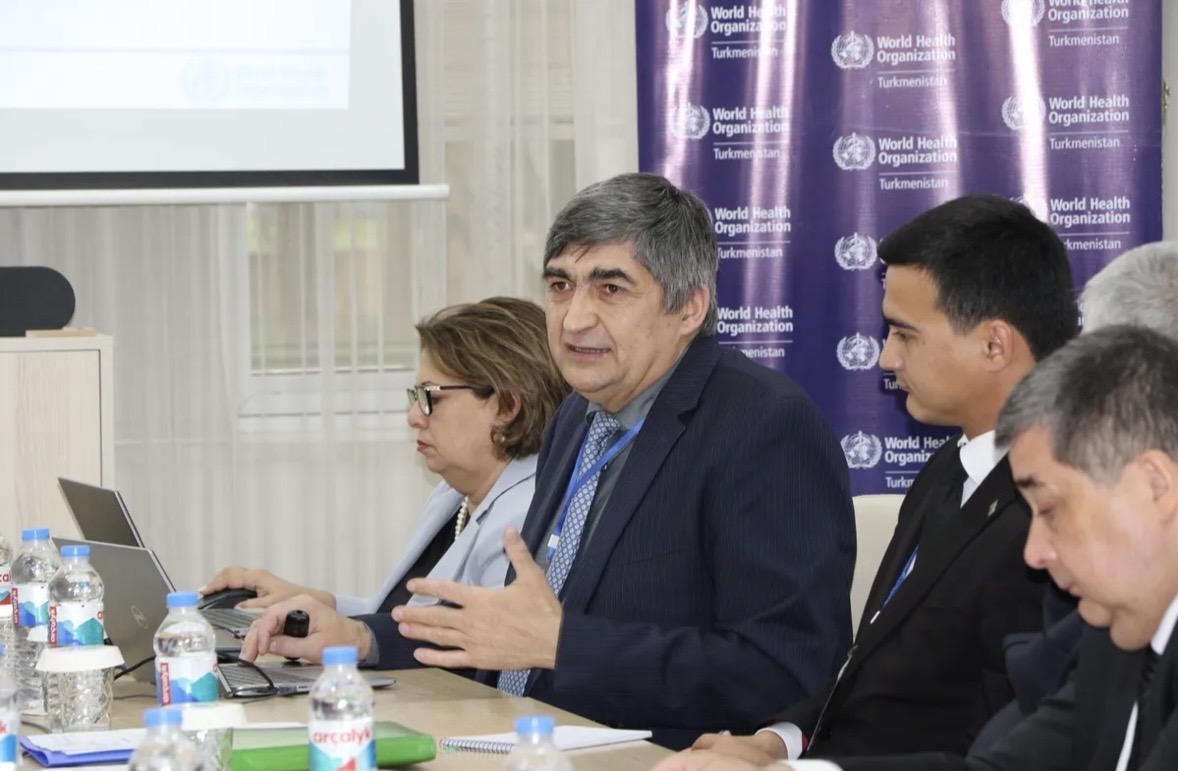
From 20 to 24 October 2025, a training workshop focusing on the prevention, diagnosis and control of brucellosis is being held in Ashgabat, Turkmenistan. The event is organized by the Food and Agriculture Organization of the United Nations (FAO) under the regional project GCP/SEC/027/PAF — “Pandemic Preparedness and Response through a One Health Approach in Central Asia.”
Representatives from various ministries and agencies of Turkmenistan, as well as veterinary and medical experts, are participating in the training. Their presence highlights Turkmenistan’s commitment to a holistic approach to both animal and human health, in line with the “One Health” concept.
International FAO experts in brucellosis — Svetlana Bardenstein and Nadav Galon — lead the workshop. They bring extensive experience in epidemiological surveillance, diagnostics, and infectious disease control across different regions of the world.
From the Turkmen side, national expert Arslan Soltanmyradov, Head of the Department of International and Scientific Relations of the State Veterinary Service at the Ministry of Agriculture of Turkmenistan, delivered a presentation. He elaborated on the country’s state policy in protecting animal health, preventive measures, monitoring, and control of brucellosis, as well as the planned initiatives undertaken by the State Veterinary Service with strong government support.
In his address, Arslan Soltanmyradov placed special emphasis on strengthening laboratory capacity, systematic epizootic monitoring, and continuous professional development of veterinary specialists. He underscored the importance of integrating modern tools and approaches into the disease surveillance and rapid response system.
The FAO experts, Svetlana Bardenstein and Nadav Galon, presented the participants with up-to-date insights on the global and regional situation of brucellosis, advanced approaches to diagnostics, control and animal vaccination strategies, as well as mechanisms for early detection and response to disease outbreaks among animals and humans.
The conduct of this training marks a significant step in deepening cooperation between Turkmenistan and FAO in the field of veterinary health. It contributes to further enhancement of the epizootic surveillance and zoonotic disease prevention systems, and aligns with the strategic tasks set by President Serdar Gurbangulyyevich Berdimuhamedow to ensure national food security and protect public health.

Historic Heritage and Breathtaking Nature: Turkmen Journalists Explore Balıkesir and Çanakkale
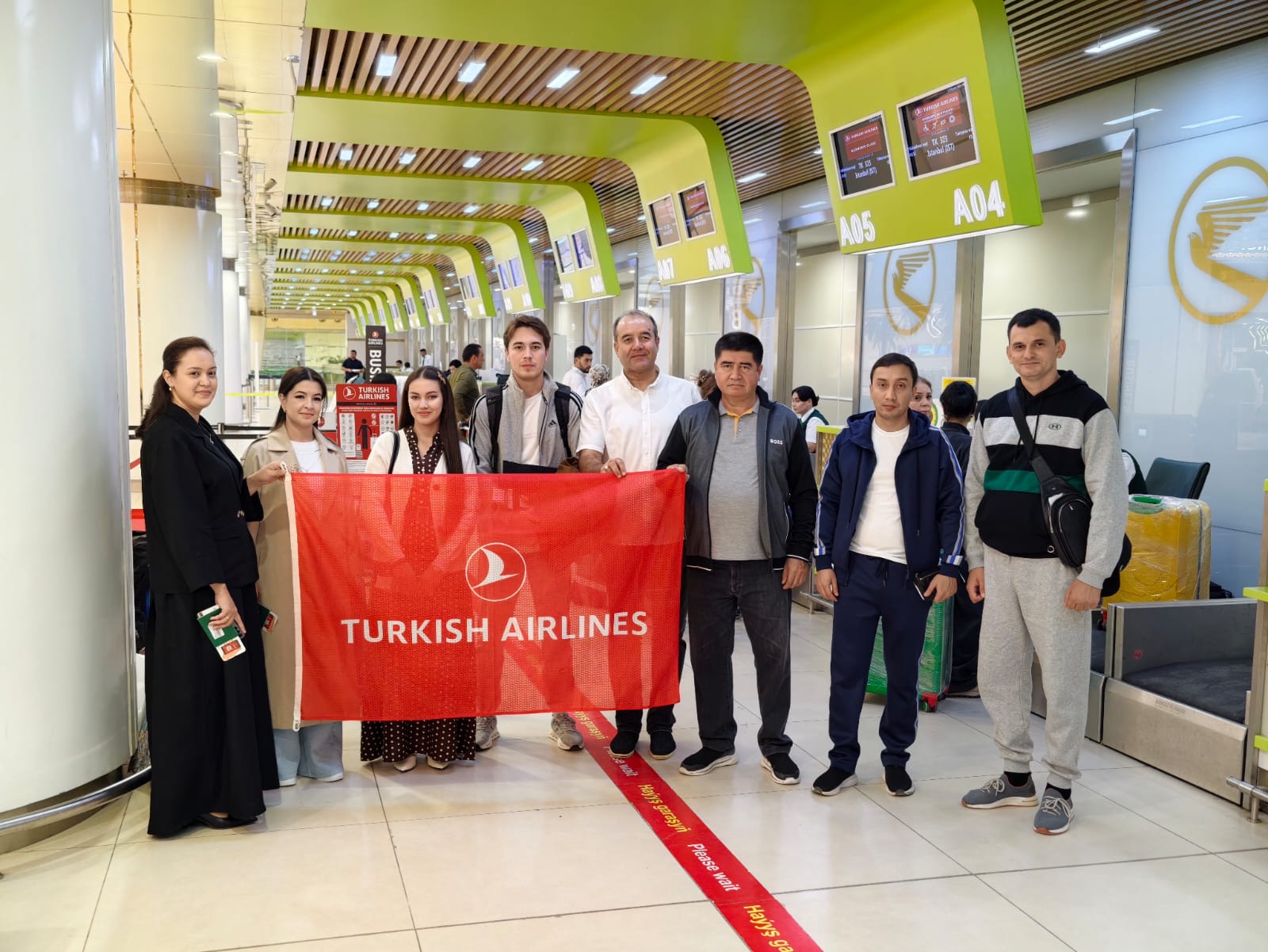
11 Oct. 15:20An international press tour for media representatives from Turkmenistan is currently underway in Türkiye, organized by the Türkiye Tourism Promotion and Development Agency (TGA) with the support of the Ministry of Culture and Tourism of the Republic of Türkiye.
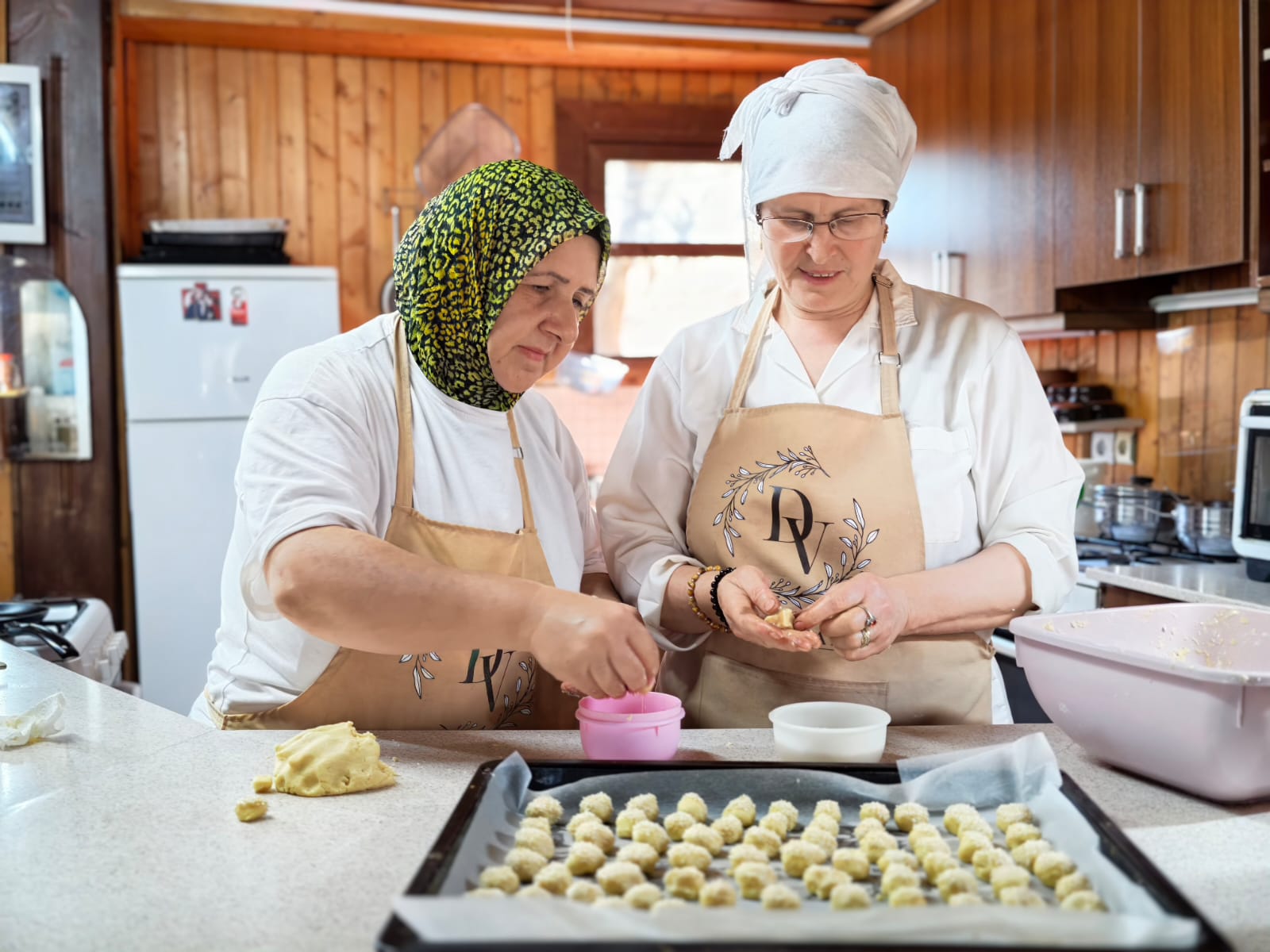
The delegation includes journalists and content creators from the country’s leading public and private media outlets.
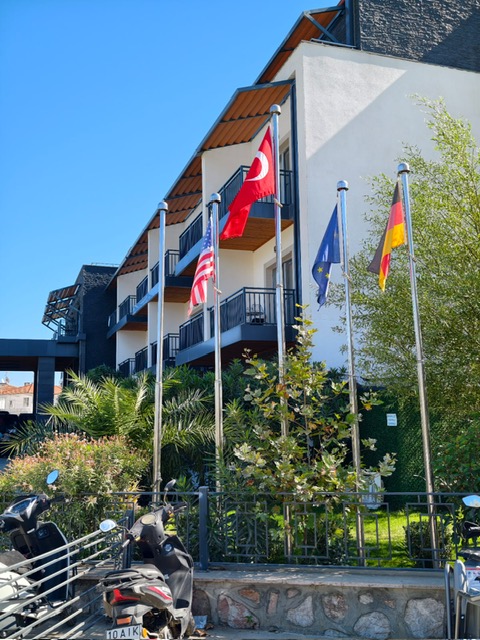
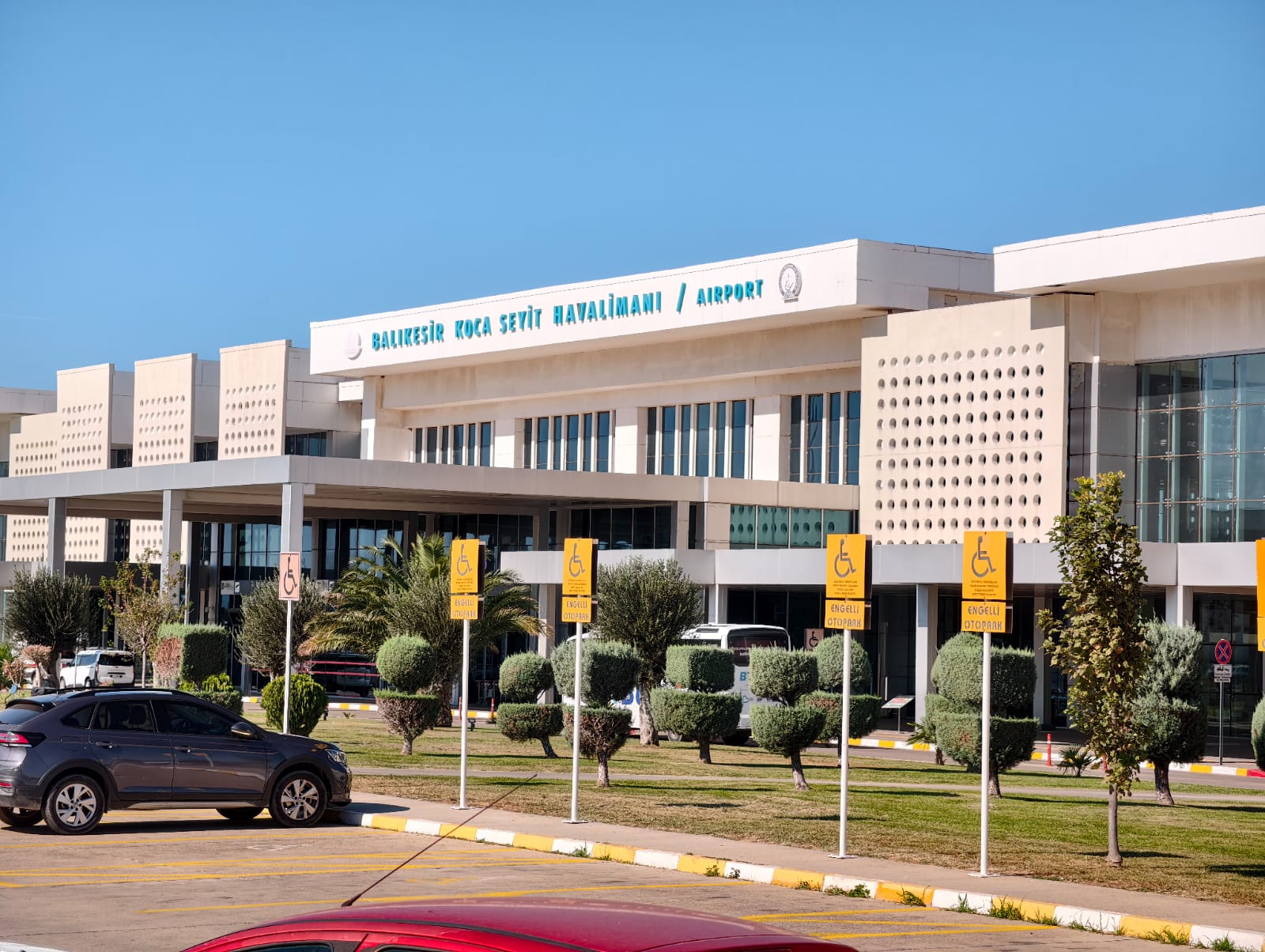
The journey through the Balıkesir region began immediately upon the delegation’s arrival at Koca Seyit Airport. The first stop on the itinerary was the picturesque Manastır Çayı area, followed by a visit to the famous Olive Oil Museum. Here, the journalists were introduced to the centuries-old traditions of olive oil production—a key gastronomic and cultural hallmark of the Aegean coast—before enjoying a walk along the scenic Güre coastline.
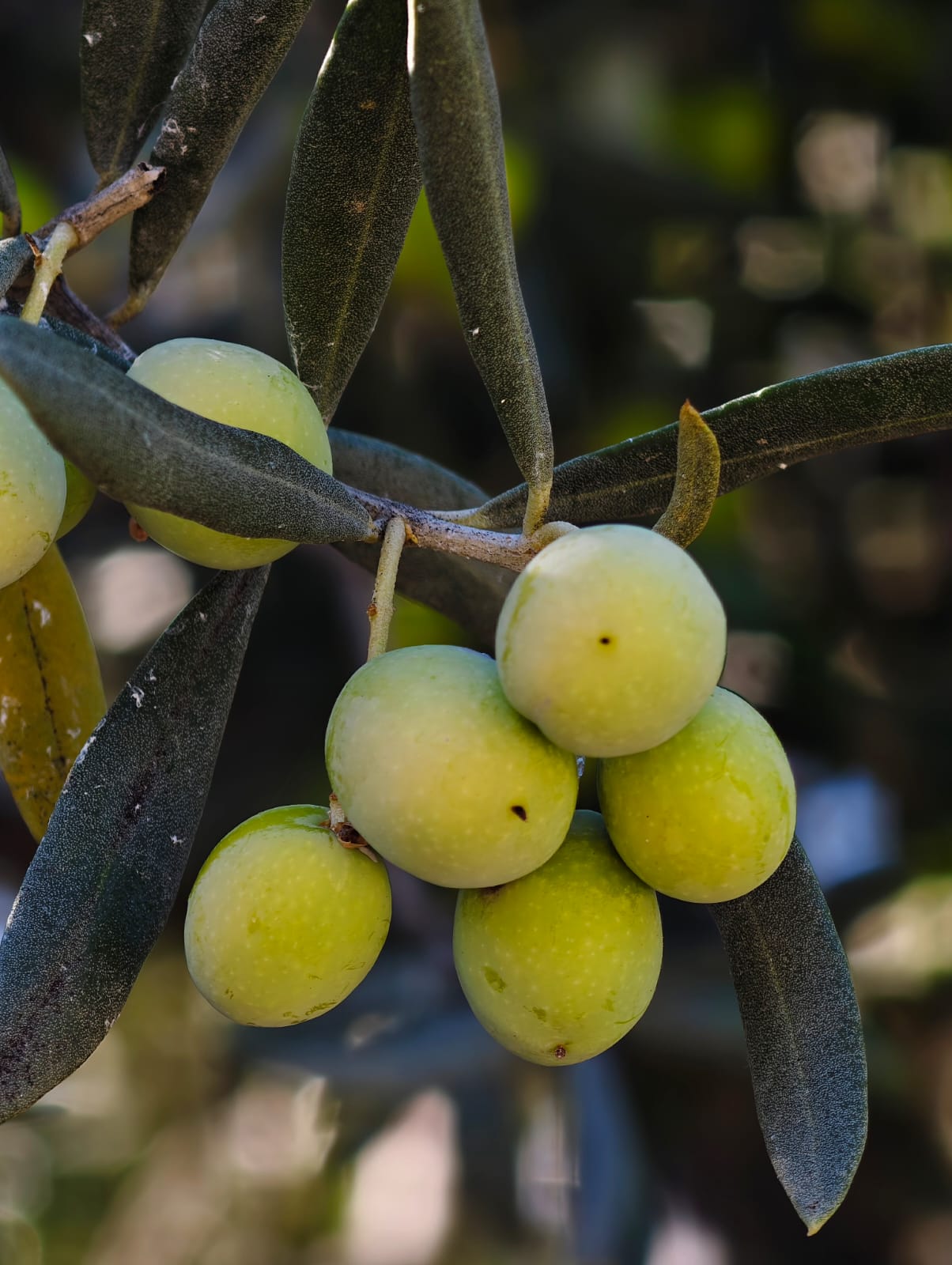
A special highlight of the program was an immersive experience in the region's unique natural landscape. Participants embarked on an exciting jeep safari through the Kazdağları National Park (historically known as Mount Ida). The journalists explored the rugged beauty of the Şahindere Canyon, refreshed themselves at ice-cold natural springs, and ascended to the legendary Altar of Zeus, which offers breathtaking panoramic views of the entire region.
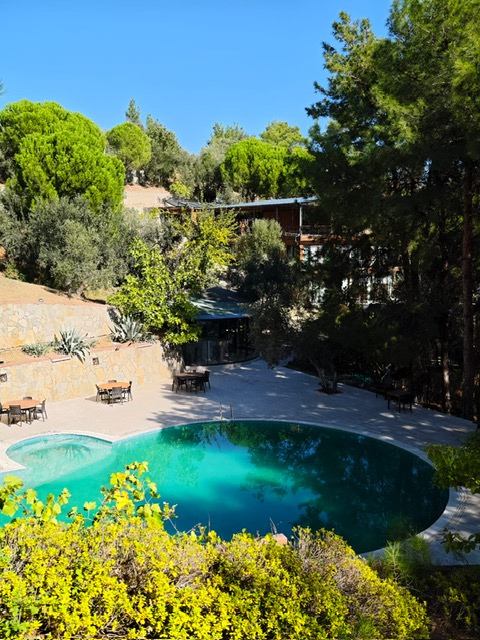
In the coming days, the press tour participants will dive into the rich history of the Çanakkale region. The itinerary includes exploring the ancient city of Assos and the Temple of Athena, viewing the iconic Trojan Horse, discovering legendary Troy along with its state-of-the-art museum complex, and paying tribute at the historic sites of Gallipoli and the Çanakkale Martyrs' Memorials.
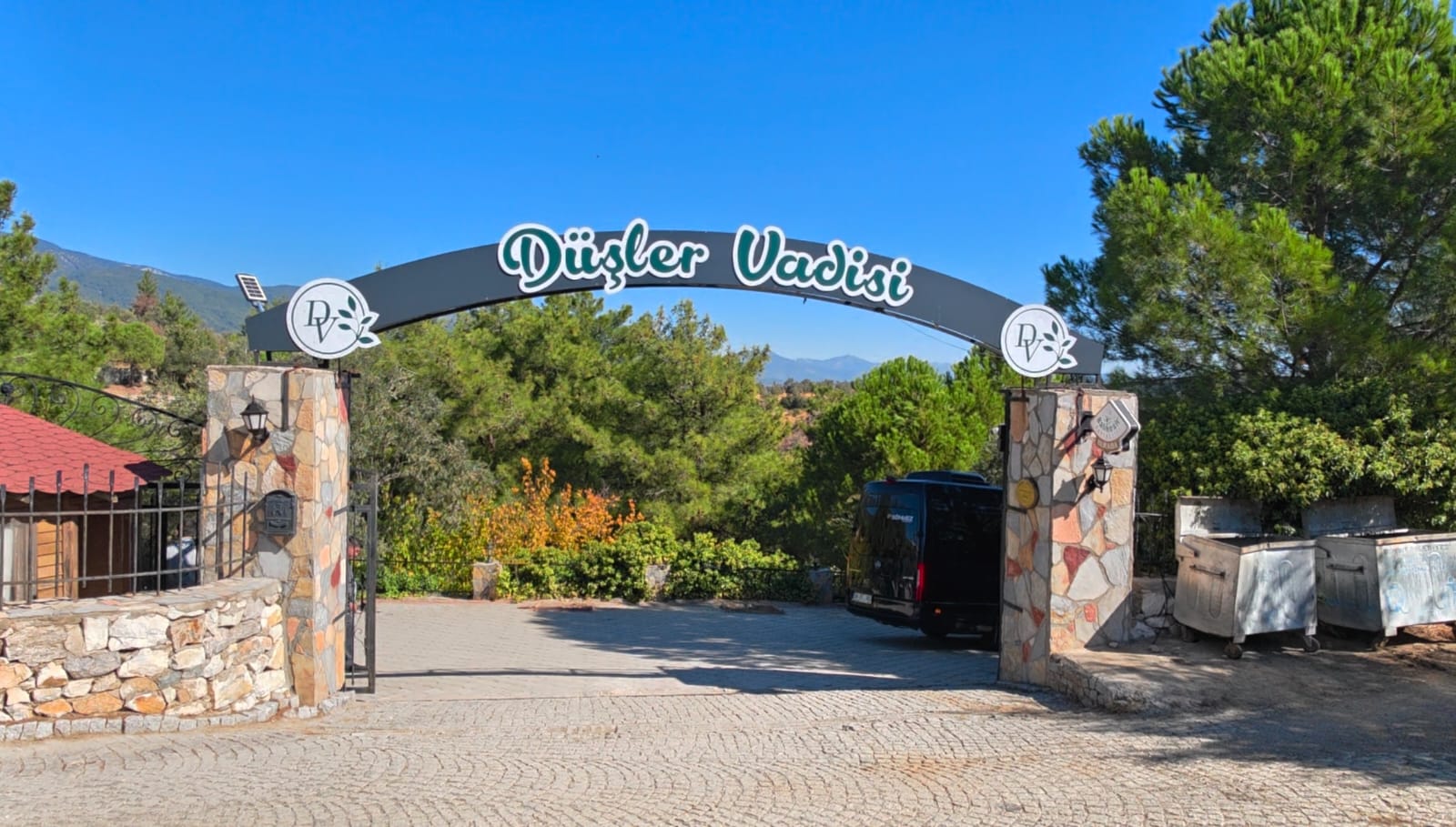
Such international media initiatives allow Turkmen journalists to gain firsthand insights into modern practices in cultural and eco-tourism, exchange professional experience with Turkish colleagues, and strengthen media collaboration between the two nations.
Also read



Blitz