
Playlist
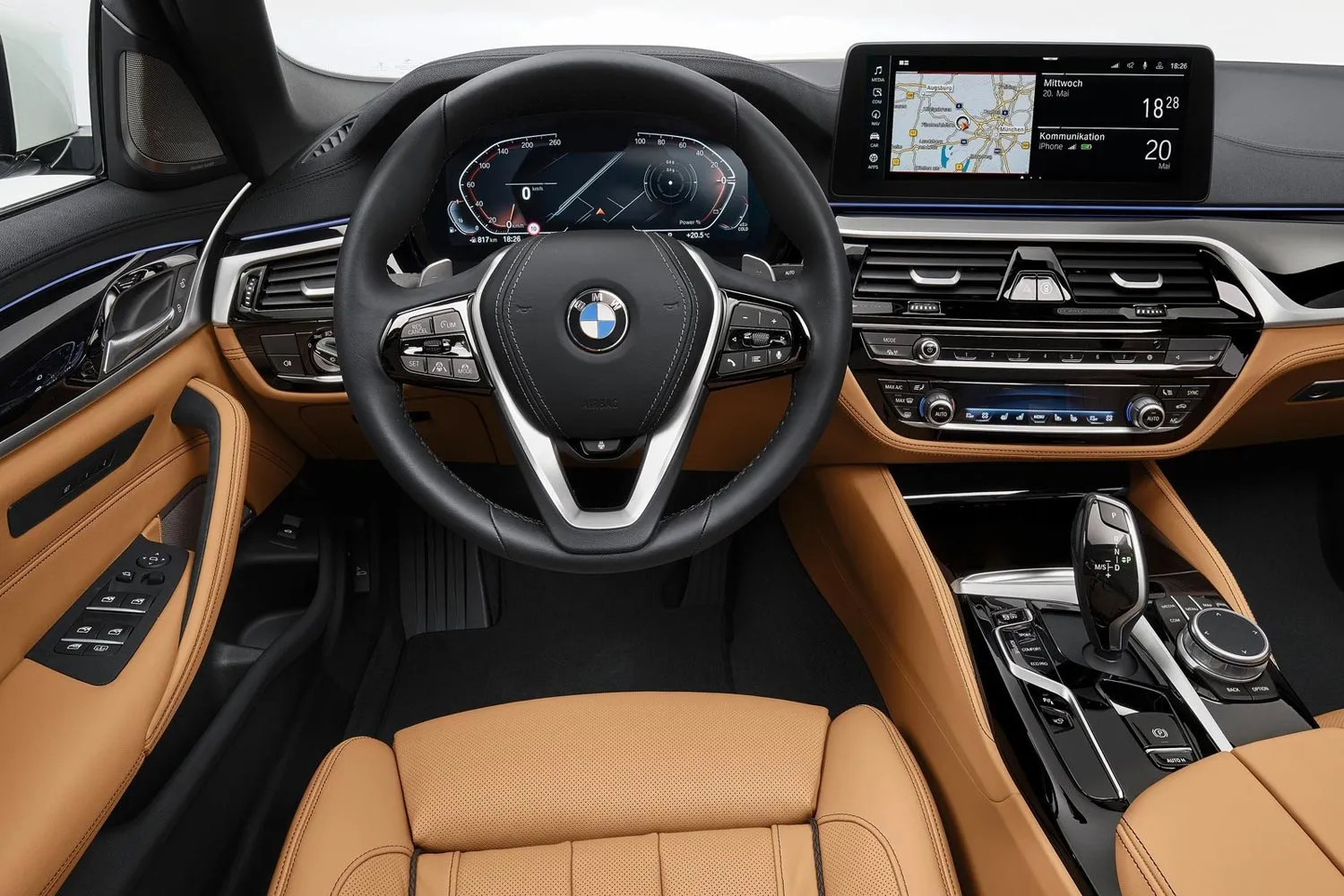
German automaker BMW has launched a large-scale recall affecting numerous vehicle models due to a potential fire hazard. European media outlets report that 28,582 cars in Germany alone are subject to the measure.
According to the industry magazine kfz-betrieb, the total number of affected vehicles worldwide could reach approximately 575,000. While the company has not disclosed an exact figure, it has confirmed that the recall involves several hundred thousand units.
Technical inspections revealed that repeated engine starts may cause failure of the magnetic starter mechanism. This defect could result in starting difficulties or even prevent the engine from running altogether. There is also a risk of a short circuit leading to localized overheating. In extreme cases, this may trigger a fire while the vehicle is in motion.
The issue concerns cars manufactured between July 2020 and July 2022. Among the affected versions are Coupe, Gran Turismo, Limousine, as well as BMW X4, X5, X6, and Z4 models. Owners are advised to verify their vehicle identification number (VIN) through the company’s official website.
Also read



On-the-Go Power: Japanese Engineers Develop Wireless In-Road Charging for Electric Vehicles
10 Oct. 08:10In a major leap for electric mobility, Honda R&D, alongside Taisei Corporation and Taisei Rotec, has unveiled an innovative dynamic wireless charging system that charges electric vehicles as they drive. By embedding compact energy-transmitting modules directly into the road surface, the system transfers power via a magnetic field to receivers mounted underneath moving vehicles. Designed to withstand heavy commercial transport up to 20 tons, real-world road testing is scheduled to begin in Japan in April 2027.
The technology eliminates the need for full road reconstruction, as modules can be integrated directly into milled asphalt layers. Aimed at boosting charging power up to 150 kW in future iterations, this infrastructure solution promise to significantly reduce grid pressure on traditional charging stations, particularly for logistics and commercial fleets.
Also read



Blitz