
Playlist
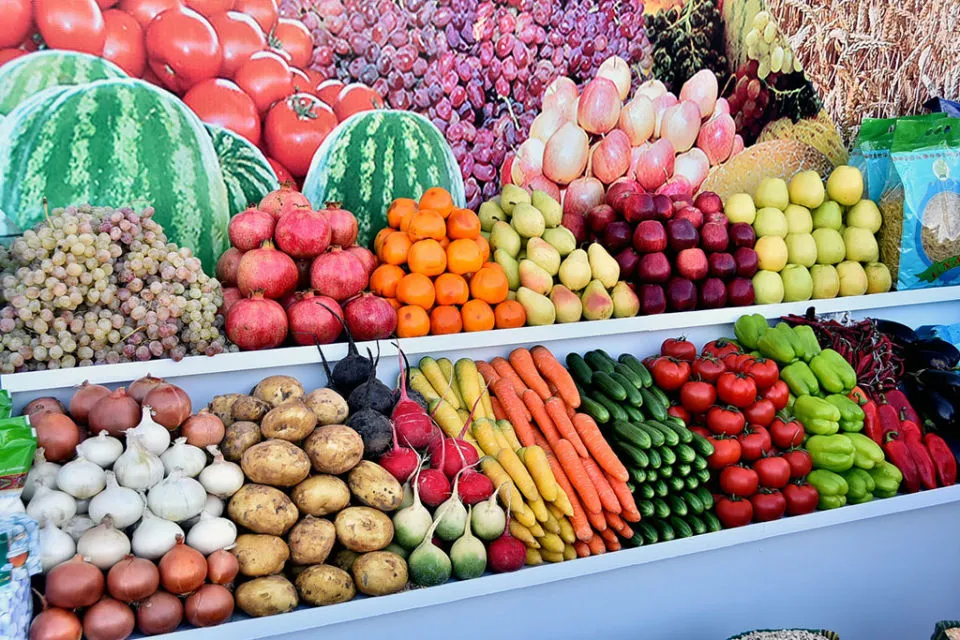
Eastern regions of Turkmenistan have reported a steady increase in agricultural production. In Lebap province, the cultivation of melon and gourd crops during the first eleven months of the year rose by nearly 10 percent compared to the same period last year. Farmers harvested approximately 183 thousand tons, exceeding previous results by more than 15 thousand tons.
Across Turkmenistan, other branches of agriculture also demonstrated growth. Egg production increased by over 6 percent, surpassing 250 million units. Fruit and berry yields rose by nearly 6 percent, approaching 50 thousand tons, while vegetable production expanded by almost 5 percent, exceeding 312 thousand tons. Meat output grew by more than 2 percent to reach 153 thousand tons. In addition, Lebap province in Turkmenistan recorded up to a 2.2 percent increase in the production of cotton fiber, potatoes, grapes, milk, and meat products.
Livestock farming in Turkmenistan showed positive trends as well. The number of camels grew by nearly 2 percent, cattle numbers increased by more than 1,300 heads, and poultry stocks expanded by over 5,500 birds.
Also read

Turkmenistan’s National Money Supply Grows by 27.6 Percent to Reach 77 Billion Manats
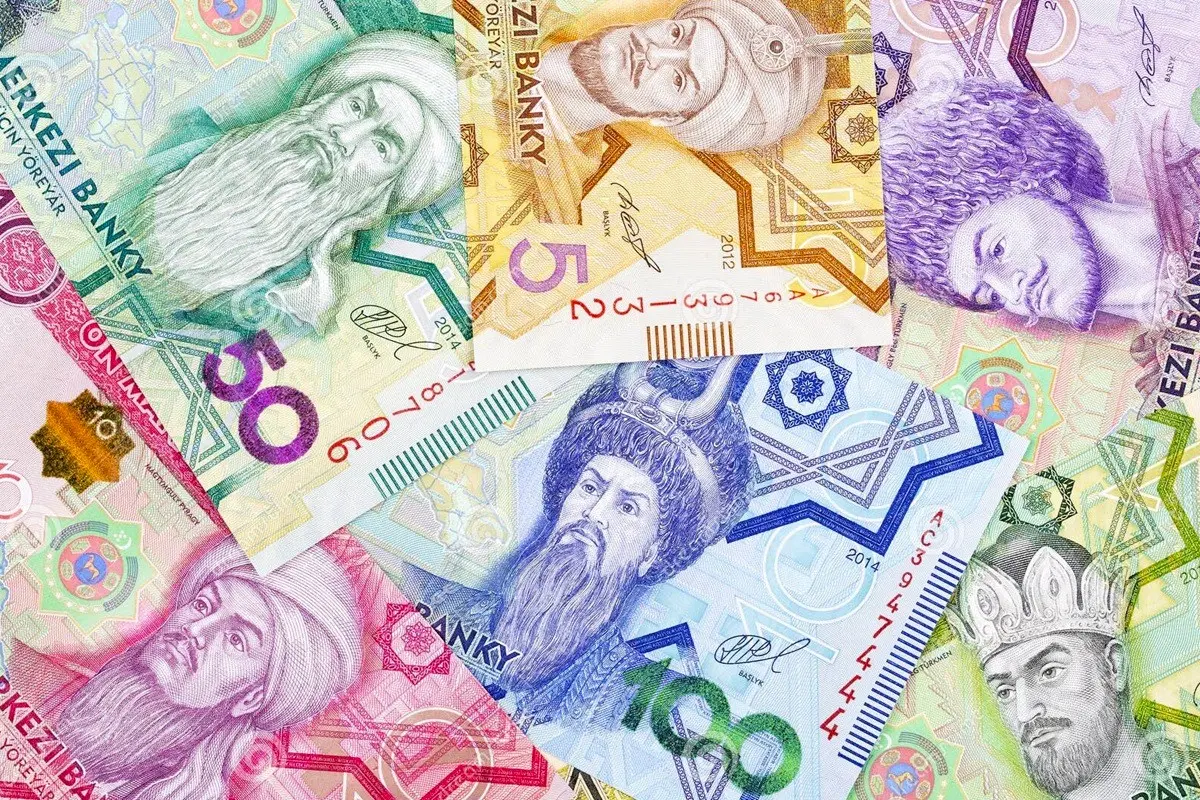
13 Nov. 06:15Turkmenistan’s transition into a new phase of economic development continues to strengthen the role of the national currency across domestic financial and industrial sectors. According to an analytical report published in today’s edition of the newspaper "Türkmenistan," the country’s money supply recorded steady expansion over the past four years. While the total national money supply stood at 60.3 billion manats as of October 1, 2022, it climbed to 77.0 billion manats by October 1, 2026, reflecting a notable 27.6 percent increase.
This substantial growth in domestic currency liquidity provides vital momentum for executing comprehensive national development strategies. The expanded financial capacity supports ongoing economic diversification, the establishment of new industrial facilities, increased manufacturing output, and targeted support for private entrepreneurship. Furthermore, the strengthened monetary base enhances commercial banking activity, accelerates the transition toward a digital economy, and broadens Turkmenistan’s international economic partnerships.
The report emphasizes that the long-term effectiveness of these large-scale initiatives relies fundamentally on the stability and resilience of the nation's financial and banking institutions, which maintain balanced currency circulation while fueling sustainable growth across the real economy.
Also read




Blitz