
Playlist
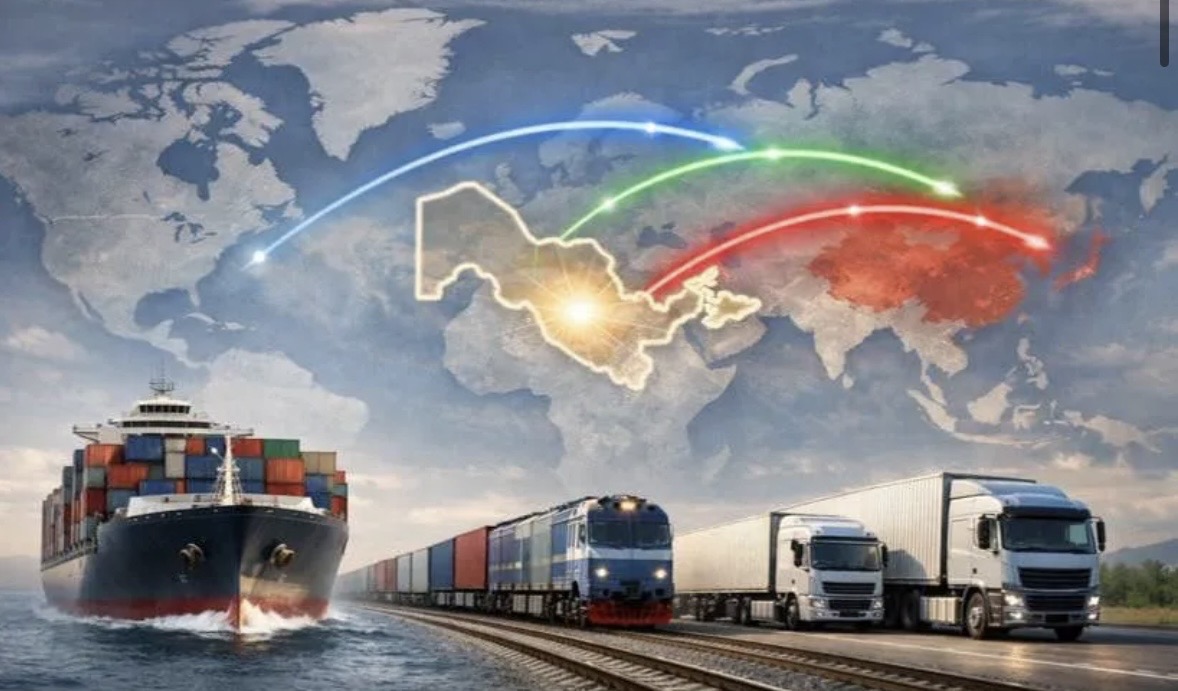
Uzbekistan Reveals Quarterly Export Performance and Key International Trade Partners
29 May. 15:50According to the latest statistical assessments issued by the state authorities of Uzbekistan, the official financial metrics for international export operations during the first quarter have been finalized. The reports indicate that the total monetary valuation of outbound commodities reached a significant multi-billion-dollar threshold. This quantitative outcome underscores the steady advancement of the nation's manufacturing sector and its broadening integration into global value chains.
The structural evaluation of the trade data highlights the top ten foreign nations that served as the primary destinations for Uzbek manufactured and agricultural goods. This leading group comprises major neighboring countries, dominant Asian markets, and prominent European and Middle Eastern economic hubs. The geographical distribution of these primary import markets reflects Tashkent's systematic policy aimed at diversifying its external commercial exposure.
During the documented operational period, the republic maintained direct commercial interactions with well over one hundred and fifty sovereign states globally. Nevertheless, a substantial portion of the aggregate foreign trade turnover remained highly concentrated among five core strategic partner countries. This commercial density is driven by long-term bilateral economic integration initiatives and shared regional logistics frameworks.
Financial analysts project that maintaining these commercial volumes will favorably influence the state's macroeconomic stability and industrial output throughout the fiscal year. The continuous organization of cross-border trade exhibitions and the implementation of preferential tariff agreements are expected to create further expansion opportunities. Moving forward, the national trade strategy will likely prioritize scaling up the export of high-value processed goods.
Also read

A rye-wheat loaf preserved in a freezer for 36 years has been put on public display as part of the permanent exhibition at the Deutschlandmuseum in Berlin. Dubbed "The Last Loaf of the GDR," it was originally purchased on June 26, 1990, by student Michael Hagedorn, who bought an extra loaf fearing potential food shortages amidst the economic unification of East and West Germany.
The museum's director, Robert Rückel, described the unusual artifact as a unique poignant symbol of everyday human decisions during times of monumental geopolitical change. To maintain its preserved state, the museum installed a custom refrigeration unit where the historical loaf remains permanently frozen for visitors to view.
Blitz