
Playlist
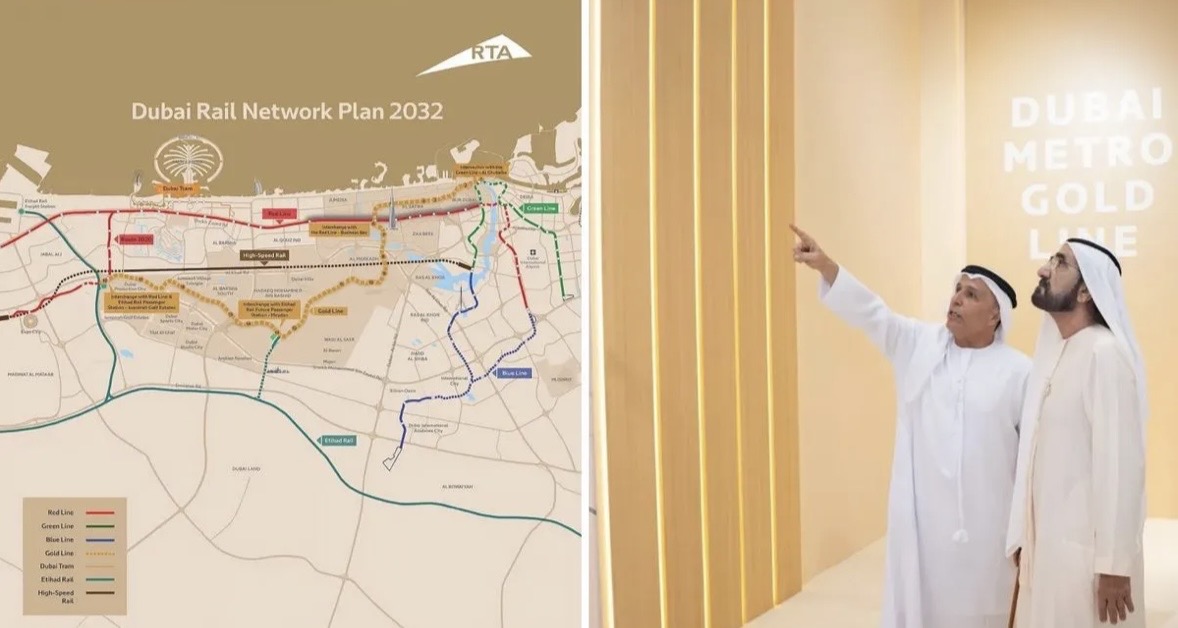
Dubai is set to significantly enhance its world-class public transport network with the initiation of a major new expansion known as the "Golden Line." This project represents a pivotal phase in the city's strategic urban development plan, aimed at streamlining connectivity and reinforcing Dubai's position as a premier global hub for living and business. The new line will integrate cutting-edge technology to ensure a seamless travel experience across the emirate.
The proposed 42-kilometer route will feature 18 modern stations, linking 15 key strategic districts of the city. This infrastructure upgrade is designed to serve approximately 1.5 million residents, providing direct access to over 50 major real estate developments and commercial zones. By expanding the reach of the existing metro system, the project aims to reduce traffic congestion and provide a more efficient alternative for daily commuting.
With a projected investment of over $9 billion, the "Golden Line" is a cornerstone of the leadership's vision to make Dubai the world’s most livable city. Official statements highlight a steadfast commitment to delivering on future-oriented promises and building a sustainable foundation for millions. The investment reflects the government's focus on long-term economic growth and the continuous improvement of the urban landscape.
Construction is scheduled for completion in September 2032, coinciding with the 23rd anniversary of the Dubai Metro’s original inauguration. Upon its launch, the new line is expected to set new benchmarks in international transportation standards, emphasizing environmental sustainability and technological innovation. The project underscores Dubai's ongoing journey toward creating a highly integrated and forward-thinking urban environment.



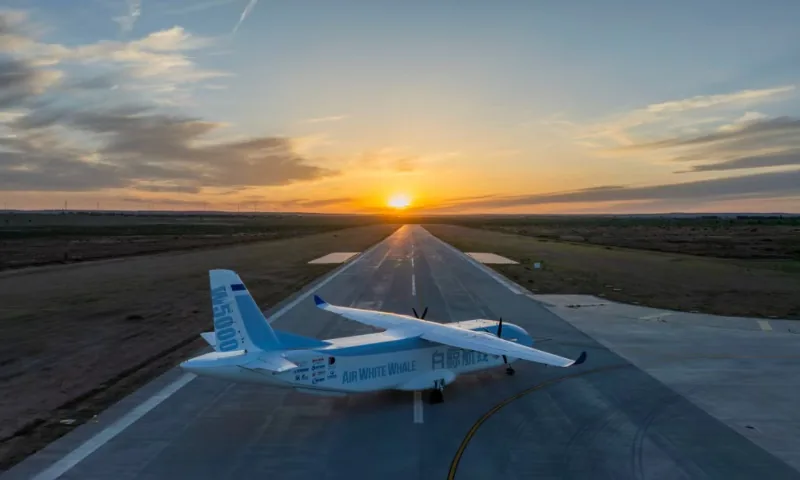
World’s Largest Unmanned Cargo Aircraft Completes Maiden Flight in China
17 Nov. 16:55The Chinese-developed W5000, billed by its creators at Air White Whale as the world’s largest unmanned cargo plane, has successfully completed its maiden test flight in Inner Mongolia. Boasting a 65-cubic-meter cargo hold, the aircraft is engineered to carry payloads of up to five tons across distances reaching 2,600 kilometers.
During the trial, the aircraft lifted off after a roughly 600-meter runway roll, climbed to an altitude of 2,000 meters, and remained airborne for about 30 minutes before making a smooth landing. Operating entirely without onboard pilots, the W5000 relies on autonomous flight controls monitored by ground-based specialists, who verified the seamless integration of its propulsion, avionics, and data-link systems.
Powered by a domestically produced turboprop engine, the airframe consists of nearly 65% carbon-fiber composite materials. This lightweight structural design reduces overall empty weight while maximizing the share of takeoff mass dedicated to freight.
Developers envision deploying the W5000 for regional logistics, temperature-controlled deliveries, and emergency relief operations. Because the design eliminates cockpit equipment and flight crew expenses while cutting fuel burn, the manufacturer estimates per-ton-kilometer shipping costs will be over 60% lower than those of comparable manned cargo aircraft.
Blitz