
Playlist
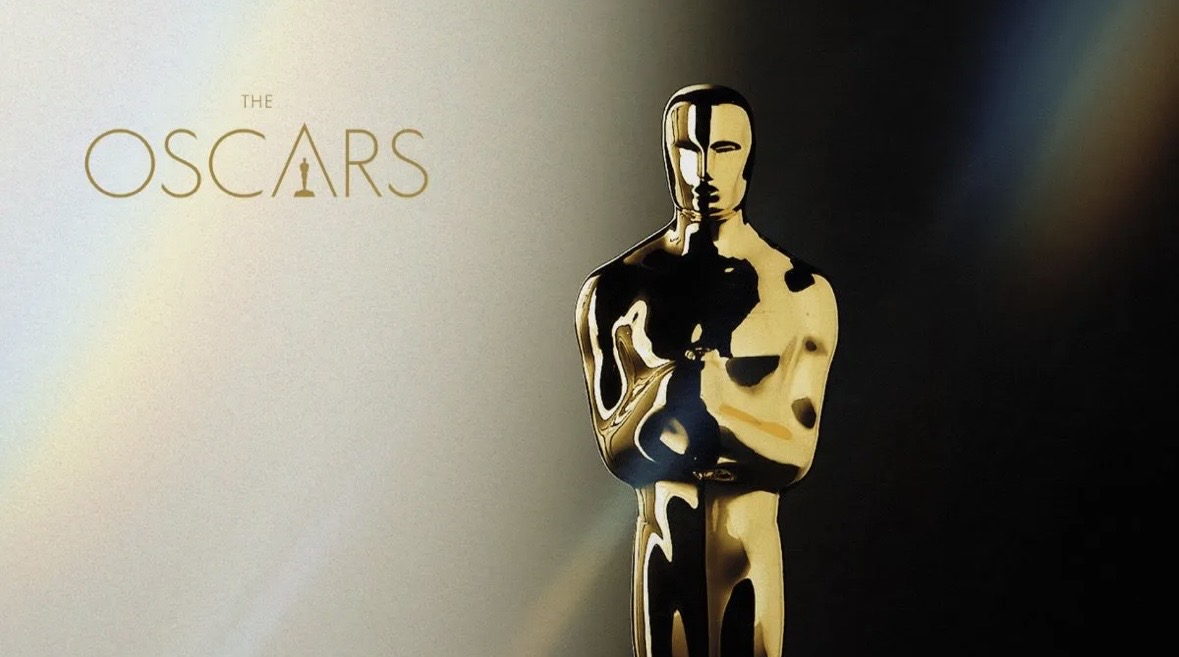
The 98th Academy Awards concluded with director Paul Thomas Anderson’s latest masterpiece, "Battle After Battle," taking home the prestigious Best Picture award. The American Academy of Motion Picture Arts and Sciences recognized the film as the most outstanding achievement of the year. Anderson’s triple triumph also included victories for Best Director and Best Adapted Screenplay, solidifying the film’s status as a critical and artistic phenomenon.
The production dominated the evening by winning a total of six Oscars across various categories. In the highly competitive acting divisions, Michael B. Jordan earned the Best Actor trophy for his performance in "Sinners," while Jessie Buckley was honored as Best Actress for her lead role in "Hamnet." These awards highlighted the exceptional talent and emotional depth present in this year’s cinematic landscape.
In the international arena, the Norwegian feature "Imaginary Value" was named Best International Feature Film, showcasing the strength of European storytelling. Meanwhile, the award for Best Animated Feature went to "K-Pop Demon Hunters," a project that resonated with both critics and audiences for its innovative animation style and vibrant narrative. These wins reflect the growing diversity and global reach of modern film production.
The 2026 Oscars demonstrated the Academy’s continued focus on bold, auteur-driven cinema and complex narrative structures. The 98th edition of the awards not only celebrated the individual successes of the night but also set the standard for the industry’s creative direction in the coming years. As the ceremony closed, the global film community looked toward a future defined by the high artistic benchmarks established by this year's winners.


A rye-wheat loaf preserved in a freezer for 36 years has been put on public display as part of the permanent exhibition at the Deutschlandmuseum in Berlin. Dubbed "The Last Loaf of the GDR," it was originally purchased on June 26, 1990, by student Michael Hagedorn, who bought an extra loaf fearing potential food shortages amidst the economic unification of East and West Germany.
The museum's director, Robert Rückel, described the unusual artifact as a unique poignant symbol of everyday human decisions during times of monumental geopolitical change. To maintain its preserved state, the museum installed a custom refrigeration unit where the historical loaf remains permanently frozen for visitors to view.
Blitz