
Playlist

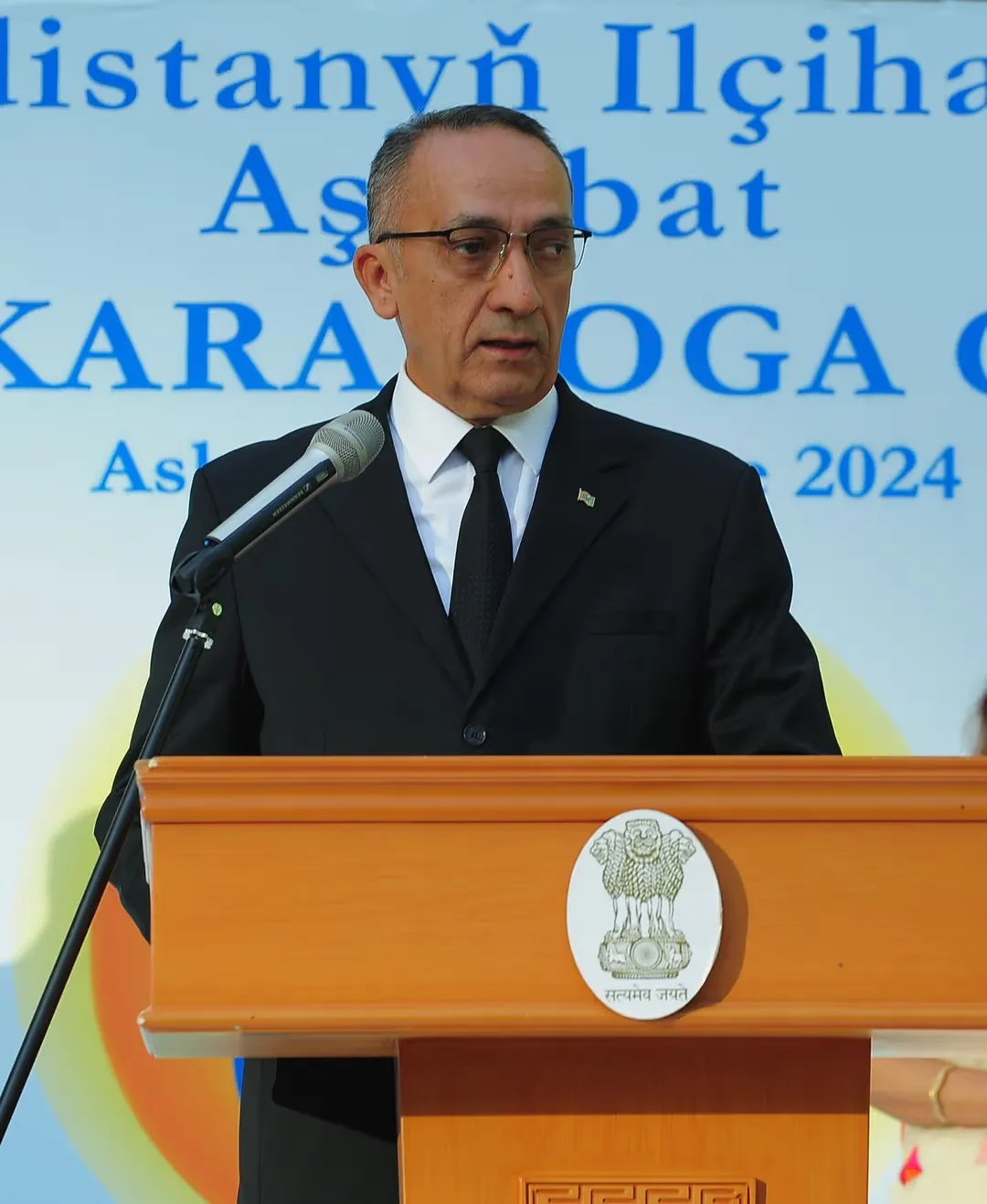
A briefing dedicated to the development of Uzbekistan’s tourism industry was held in Ashgabat. Representatives of Uzbekistan presented the country’s tourism achievements and outlined prospects for international cooperation.
According to the report, from January to September 2025, Uzbekistan welcomed 8.6 million foreign tourists — a 112.5% increase compared to the same period last year. Since April, the country has been attracting over one million international visitors each month.
Tourism development is being implemented under the Tourism Development Strategy 2030, which aims to boost the annual number of foreign tourists to 15 million by the end of the decade.
Among the key accomplishments are the introduction of visa-free travel for citizens of more than 90 countries, improved tourism infrastructure, and the launch of digital platforms such as Uzbekistan.travel and the UzTourism mobile app.
From October 28 to November 13, 2025, Samarkand will host the 43rd session of the UNESCO General Conference — the first to be held outside the organization’s Paris headquarters in 40 years. Over 5,000 delegates from 194 countries are expected to attend.
Uzbekistan invited Turkmen companies, investors, and tour operators to join collaborative projects, including the development of cross-border tourism routes such as “Khiva – Kunya Urgench – Ashgabat – Mary – Bukhara.”
Additionally, the Tashkent International Tourism Fair is scheduled to take place from November 27 to 29, 2025.
Also read
Solar Mini-Grids to Power Remote Communities Across Turkmenistan Under New Four-Million-Dollar UNDP Initiative
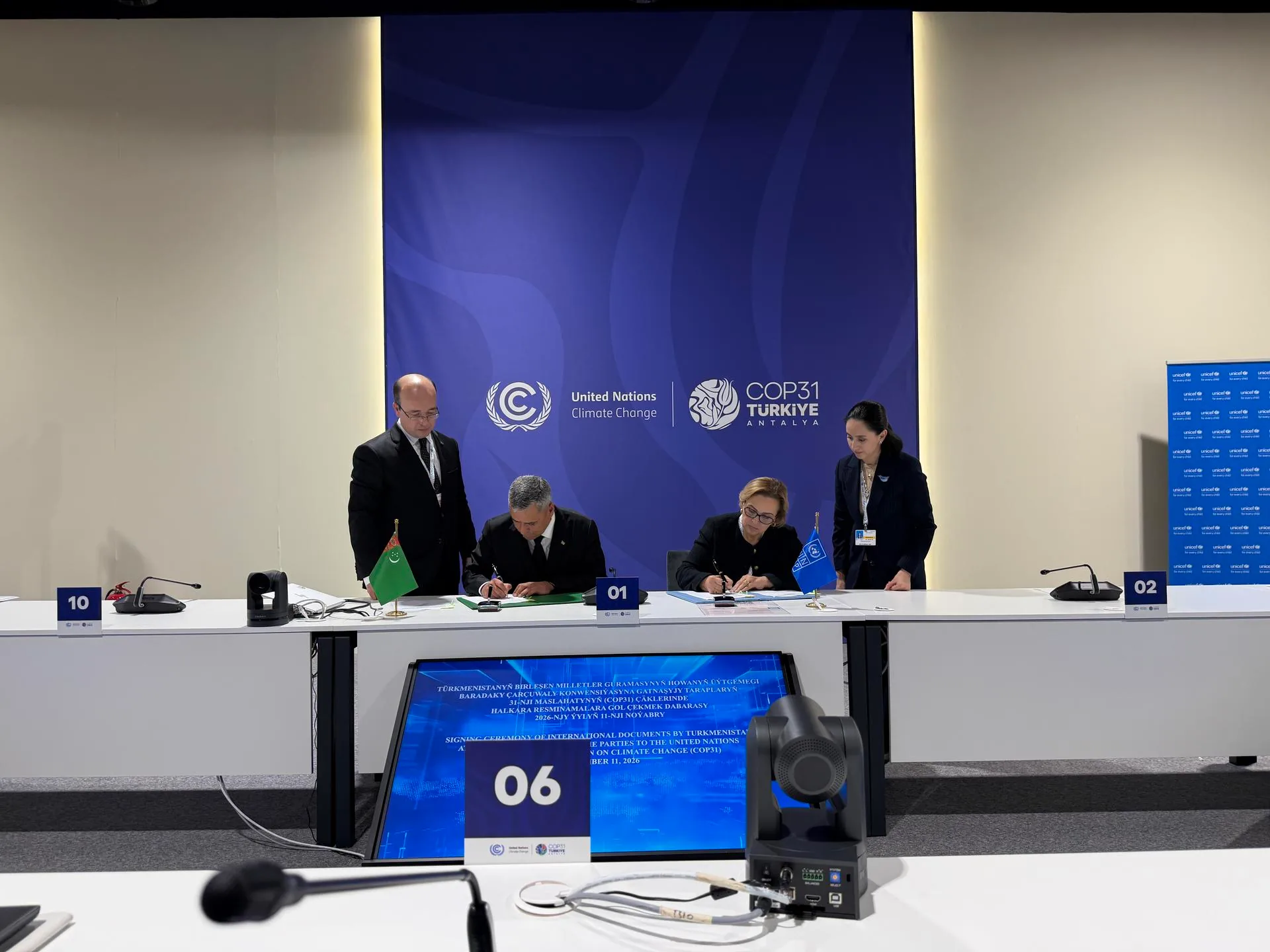
13 Nov. 14:30Following the landmark climate agreements signed on the sidelines of the COP31 conference in Antalya, the United Nations Development Programme (UNDP) has unveiled comprehensive details regarding its upcoming clean energy partnership with the Government of Turkmenistan. Backed by a Global Environment Facility (GEF) grant exceeding 4.17 million US dollars, the five-year project titled "Supporting Energy Transition for Remote Settlements of Turkmenistan" will be executed by the United Nations Office for Project Services (UNOPS) in close coordination with Turkmenistan's Ministry of Environmental Protection and Ministry of Energy.
A central pillar of the initiative involves installing and commissioning up to ten pilot solar mini-power plants with a combined capacity of up to 2 MW in isolated communities that currently rely heavily on diesel generators for electricity. These demonstration facilities will showcase the viability of solar power across Turkmenistan's remote regions and establish a blueprint for broader clean energy adoption. Building upon the operational experience gained from these initial sites, experts will conduct feasibility assessments and prepare tailored technical solutions for potentially deploying solar energy systems in an additional 120 remote settlements.
Beyond physical infrastructure, the project focuses on strengthening the regulatory and institutional framework for renewable energy, training local specialists, and expanding domestic technical expertise. UNDP Resident Representative in Turkmenistan Narine Sahakyan noted that expanding access to reliable, clean electricity significantly enhances community resilience and human well-being—particularly for women and vulnerable groups—by translating national ambitions into tangible investments. The program directly supports Turkmenistan's National Strategy for the Development of Renewable Energy through 2030, advancing the country's commitments under the Paris Agreement and the United Nations Sustainable Development Goals.
Also read


Blitz