
Playlist

"Ojar Asia" is ready to implement an investment project to build the Serakhs-Mary-Serhetabat highway
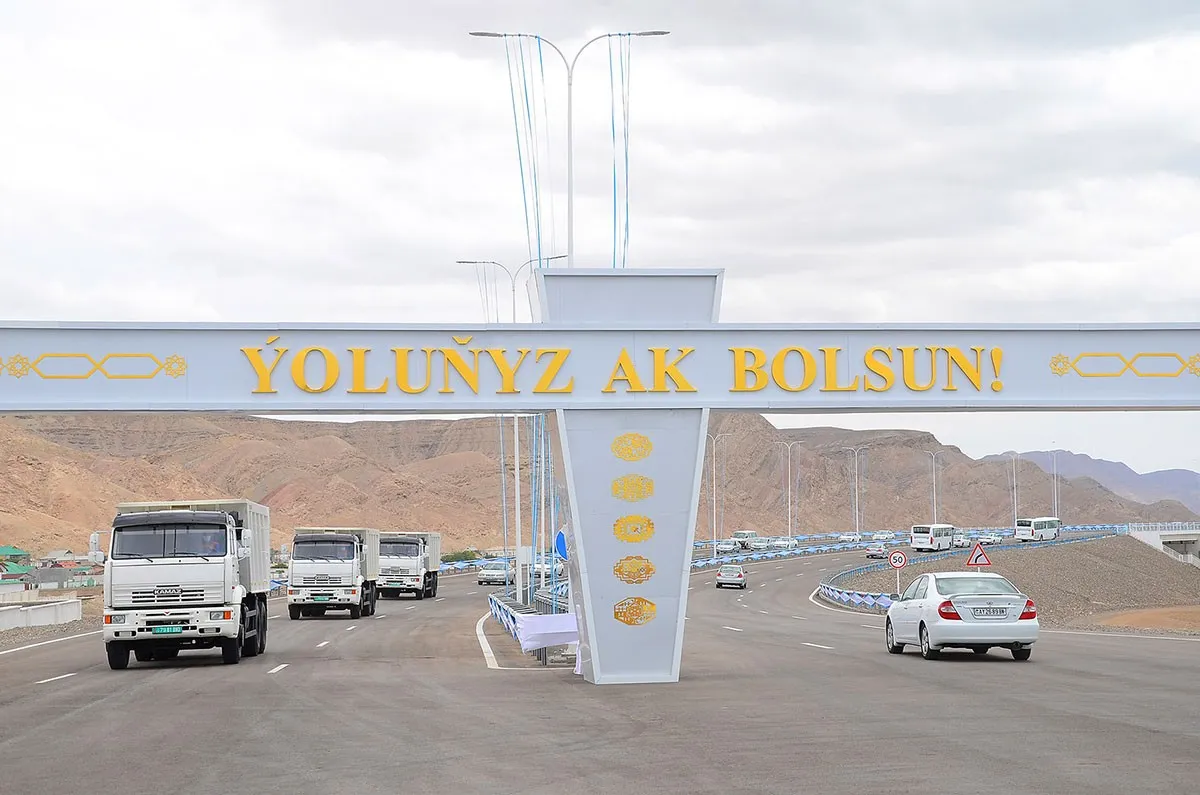
30 Jan. 09:43Turkmenistan is initiating a large-scale investment project aimed at developing its road transport infrastructure. Ojar Aziya has announced its readiness to implement the Sarakhs–Mary–Serhetabat (SMS) highway project within Turkmenistan, designed to integrate three major international transport corridors: North–South, Lapis Lazuli, and East–West.
The project is proposed on a fully private investment basis and does not envisage the use of state budget funds of Turkmenistan. The planned highway is intended to establish direct transport connectivity between the markets of Central Asia, the Middle East, South Asia, and Europe.
By aligning the SMS highway with the existing multimodal infrastructure of Turkmenistan, the project aims to reduce cargo transit times and optimize logistics costs for international trade participants. The initiative is viewed as a significant contribution to strengthening Turkmenistan’s transit capacity and expanding regional and international transport linkages.
The Sarakhs–Mary–Serhetabat highway is positioned as a long-term commercial infrastructure asset. Ojar Aziya has expressed openness to cooperation with investors, logistics companies, and international partners interested in developing modern, sustainable transport solutions centered in Turkmenistan.
Also read


Simple Vitamin Shows Surprising Results in Pre-Cancerous Blood Conditions, Study Finds
Today in 02:02Daily high-dose supplementation of vitamin C can significantly reduce mortality risks and help prevent severe medical complications in patients with pre-cancerous blood conditions. Researchers from the Van Andel Institute in the United States and Copenhagen University Hospital in Denmark reached this conclusion following a comprehensive three-year follow-up study. The international "EVITA" trial involved volunteers who were administered 1,000 mg of vitamin C daily over the course of a year, while a control group received a placebo.
Although initial hypotheses suggested vitamin C might directly inhibit abnormal cell proliferation, researchers found its primary benefit lay in strengthening the body, reducing systemic inflammation, and lowering rates of anemia, pneumonia, and internal bleeding. Over the three-year observation period, the vitamin C group exhibited a significantly higher survival rate compared to the placebo group. While experts emphasize that these findings remain preliminary and require larger clinical trials before reshaping formal medical treatment protocols, vitamin C continues to show promising potential in supportive patient care.
Also read


Blitz