
Playlist
Turkmenistan and Russia Discuss New Framework for Maritime Safety and Seafarer Training
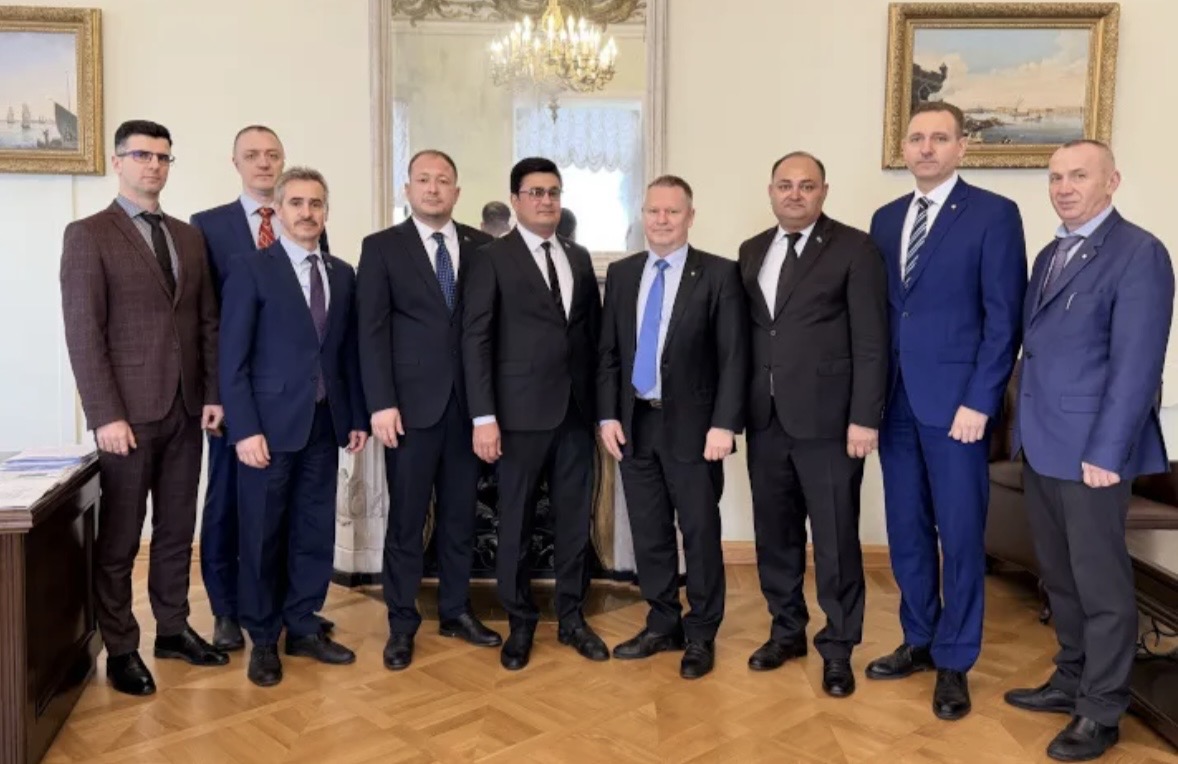
16 Apr. 12:23High-level negotiations took place in Saint Petersburg between a Turkmen maritime delegation and the Russian Maritime Register of Shipping (RS) to enhance bilateral cooperation. The talks involved representatives from Turkmenistan's State Service of Maritime and River Transportation, the State Supervision of Shipping, and the "International Sea Port" JSC. The primary focus was the development of a new agreement authorizing RS to conduct surveys of vessels flying the Turkmen flag in compliance with international conventions.
This ongoing partnership, which traces back to a 2012 intergovernmental mandate, is evolving to include modern digital and consulting solutions. Beyond technical inspections, the parties discussed the joint development of maritime software and advanced consultancy services to optimize the operation of the Turkmen fleet. Acting Director General of RS, Andrey Fasolko, reaffirmed the organization's commitment to supporting the safety and technical integrity of Turkmenistan’s national shipping industry.
Professional education and training for maritime personnel emerged as a crucial component of the agenda. Discussions featuring Sergey Ayzinov, First Pro-Rector of the Admiral Makarov State University of Maritime and Inland Shipping, centered on the implementation of International Convention on Standards of Training, Certification and Watchkeeping (STCW) in Turkmenistan. A key proposal under consideration is the establishment of a specialized training center within Turkmenistan to certify local crews according to global standards.
The meeting concluded with a mutual commitment to deepening the historic ties between the two nations' maritime sectors. By modernizing regulatory oversight and investing in professional training, Turkmenistan aims to bolster the efficiency and international standing of its national fleet. These collaborative efforts are expected to ensure that Turkmen vessels continue to meet the highest safety and environmental standards in the Caspian region and beyond.
Also read
Solar Mini-Grids to Power Remote Communities Across Turkmenistan Under New Four-Million-Dollar UNDP Initiative
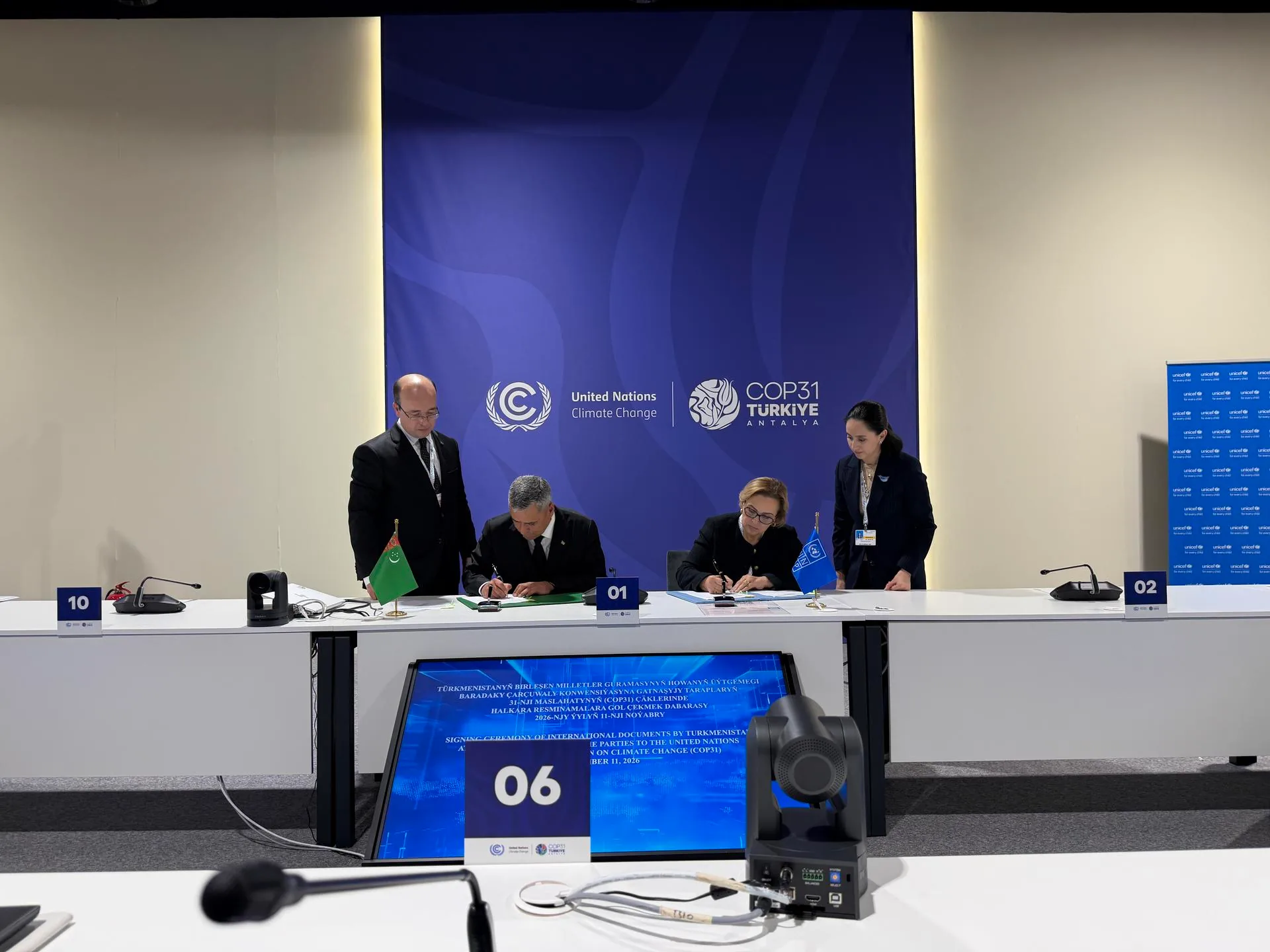
13 Nov. 14:30Following the landmark climate agreements signed on the sidelines of the COP31 conference in Antalya, the United Nations Development Programme (UNDP) has unveiled comprehensive details regarding its upcoming clean energy partnership with the Government of Turkmenistan. Backed by a Global Environment Facility (GEF) grant exceeding 4.17 million US dollars, the five-year project titled "Supporting Energy Transition for Remote Settlements of Turkmenistan" will be executed by the United Nations Office for Project Services (UNOPS) in close coordination with Turkmenistan's Ministry of Environmental Protection and Ministry of Energy.
A central pillar of the initiative involves installing and commissioning up to ten pilot solar mini-power plants with a combined capacity of up to 2 MW in isolated communities that currently rely heavily on diesel generators for electricity. These demonstration facilities will showcase the viability of solar power across Turkmenistan's remote regions and establish a blueprint for broader clean energy adoption. Building upon the operational experience gained from these initial sites, experts will conduct feasibility assessments and prepare tailored technical solutions for potentially deploying solar energy systems in an additional 120 remote settlements.
Beyond physical infrastructure, the project focuses on strengthening the regulatory and institutional framework for renewable energy, training local specialists, and expanding domestic technical expertise. UNDP Resident Representative in Turkmenistan Narine Sahakyan noted that expanding access to reliable, clean electricity significantly enhances community resilience and human well-being—particularly for women and vulnerable groups—by translating national ambitions into tangible investments. The program directly supports Turkmenistan's National Strategy for the Development of Renewable Energy through 2030, advancing the country's commitments under the Paris Agreement and the United Nations Sustainable Development Goals.
Blitz