
Playlist
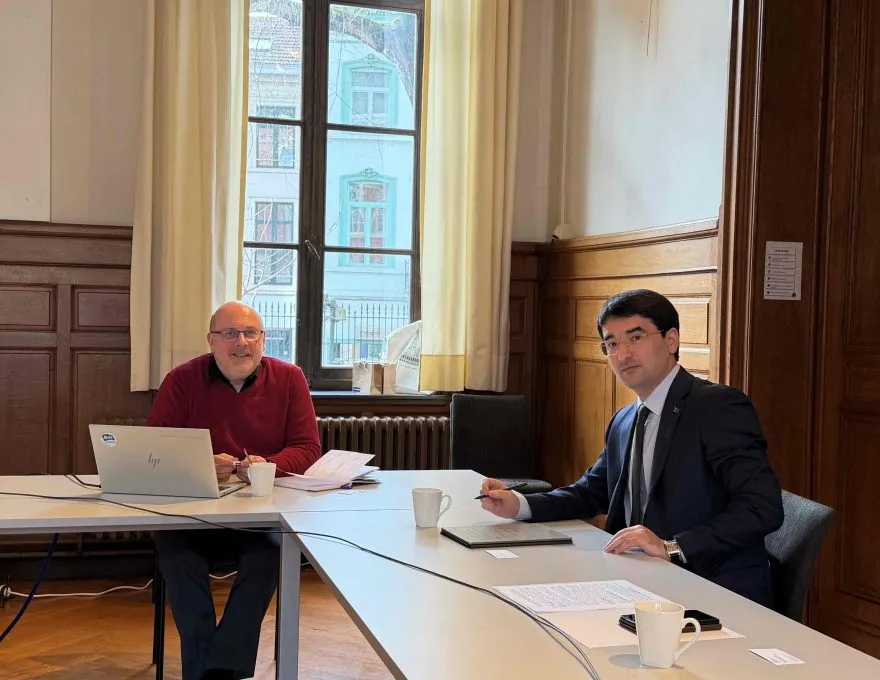
Turkmenistan and KU Leuven University Strengthen Academic and Scientific Cooperation
23 Feb. 11:36A high-level meeting between the Ambassador of Turkmenistan to Belgium and the leadership of the Academic Diplomacy Department at KU Leuven was held to discuss the future of bilateral educational ties. During the talks, the Belgian representatives highlighted KU Leuven’s status as a premier European research hub, particularly its significant involvement in international initiatives such as the "Horizon Europe" program. The university expressed a growing strategic interest in fostering partnerships with higher education institutions in Central Asia.
The Turkmen Ambassador outlined the nation's proactive international agenda, highlighting its rich cultural heritage and its global initiatives for peace and security. A major focus of the discussion was the modernization of the national education system, specifically the need for joint training programs in specialized fields such as climatology, water conservation, environmental protection, and cutting-edge digital technologies.
The key outcome of the meeting was the proposal to establish a sustainable cooperation platform between Turkmenistan’s educational entities and KU Leuven through formal institutional agreements. Both sides acknowledged the success of previous academic engagements, such as the Ambassador’s lecture on Turkmenistan's permanent neutrality, and agreed to expand this format. The partnership aims to provide Turkmen specialists with access to European academic expertise while fostering mutual scientific growth.
Also read

Simple Vitamin Shows Surprising Results in Pre-Cancerous Blood Conditions, Study Finds
Today in 02:02Daily high-dose supplementation of vitamin C can significantly reduce mortality risks and help prevent severe medical complications in patients with pre-cancerous blood conditions. Researchers from the Van Andel Institute in the United States and Copenhagen University Hospital in Denmark reached this conclusion following a comprehensive three-year follow-up study. The international "EVITA" trial involved volunteers who were administered 1,000 mg of vitamin C daily over the course of a year, while a control group received a placebo.
Although initial hypotheses suggested vitamin C might directly inhibit abnormal cell proliferation, researchers found its primary benefit lay in strengthening the body, reducing systemic inflammation, and lowering rates of anemia, pneumonia, and internal bleeding. Over the three-year observation period, the vitamin C group exhibited a significantly higher survival rate compared to the placebo group. While experts emphasize that these findings remain preliminary and require larger clinical trials before reshaping formal medical treatment protocols, vitamin C continues to show promising potential in supportive patient care.
Also read



Blitz