
Playlist
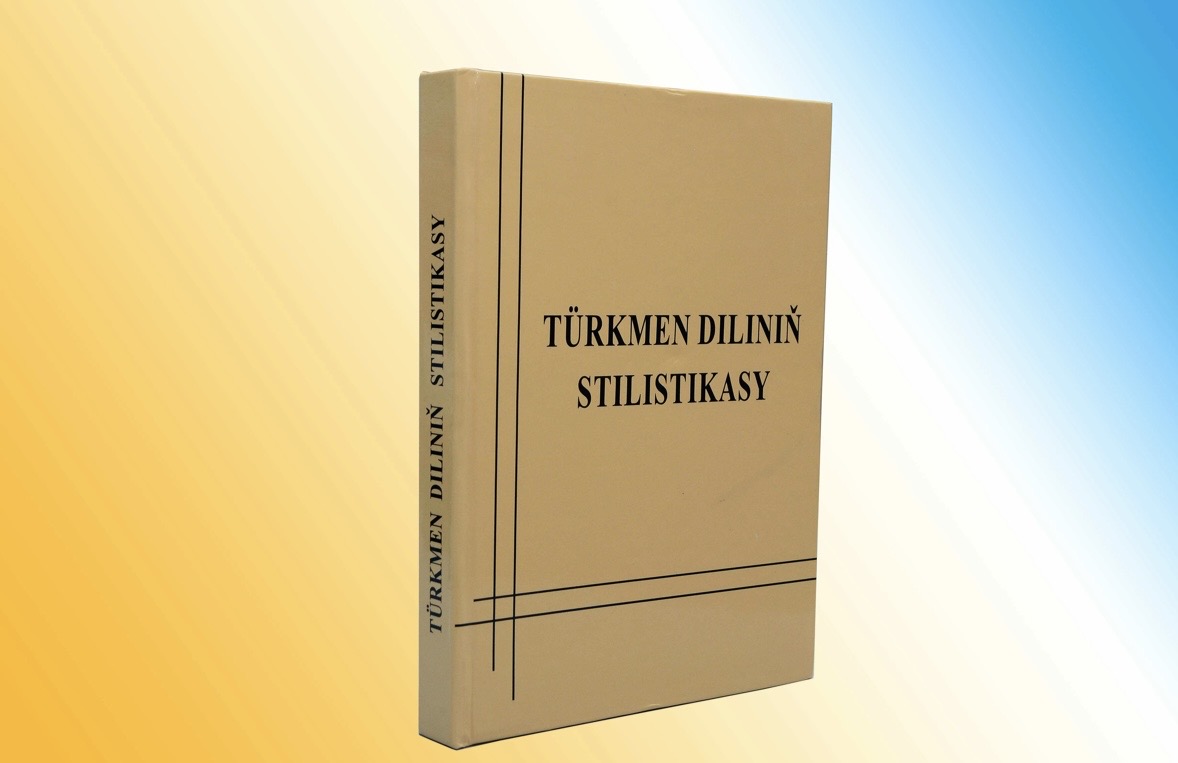
The National Leader of the Turkmen people and Chairman of the Halk Maslakhaty, Gurbanguly Berdimuhamedov, expressed Turkmenistan's readiness to assist in organizing Turkmen language courses within educational institutions in China. In an interview with the CGTN television channel, he emphasized that the country is prepared to send teachers and specialists to the People's Republic of China to support this initiative. This step is aimed at strengthening the cultural and educational bonds that form the foundation of bilateral relations.
Educational cooperation between Turkmenistan and China is already robust, with over 10,000 Turkmen citizens currently enrolled in various educational programs across China. Simultaneously, there is a strong interest in Chinese culture within Turkmenistan, where the Chinese language is formally taught in 9 higher education institutions and 10 secondary schools. This mutual academic interest highlights the growing strategic and cultural integration between the two nations.
Gurbanguly Berdimuhamedov characterized this collaboration as an "investment in the future" of bilateral ties and a symbol of enduring friendship. Introducing the Turkmen language to Chinese students will provide them with unique insights into the history and traditions of the Turkmen people, fostering a new generation of experts capable of navigating the diplomatic and economic landscape. This exchange is viewed as a vital component of international educational outreach and cultural diplomacy.
Furthermore, active negotiations are underway regarding the opening of reciprocal cultural centers in both countries. Plans include establishing a Turkmen Cultural Center in China and a Chinese Cultural Center in Turkmenistan. These centers will serve as vital hubs for scientific, educational, and artistic exchange, further enriching the spiritual and cultural lives of the people of both nations and solidifying their long-term partnership.
Also read
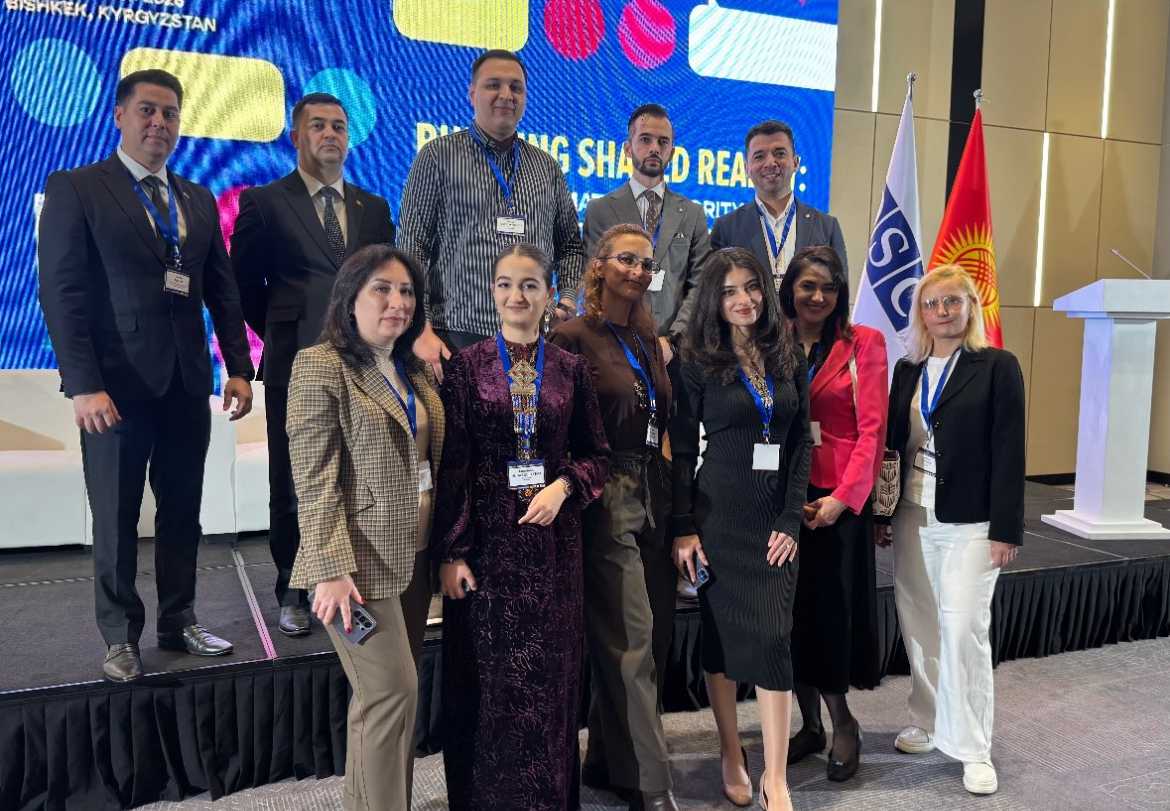
Turkmen Journalists and Experts Participated in the OSCE Central Asia Media Conference in Bishkek
10 Oct. 13:57On October 9–10, 2026, the capital of Kyrgyzstan hosted a major OSCE Central Asia Media Conference, bringing together leading experts, government officials, civil society representatives, and media professionals from across the region. Entitled "Building Shared Reality: Information Integrity, Media Ethics and Trust in the Digital Age," this high-level forum addressed the most pressing contemporary challenges, including the transformation of information ecosystems, the impact of Big Tech, the deployment of artificial intelligence systems, and the digital safety of media workers.
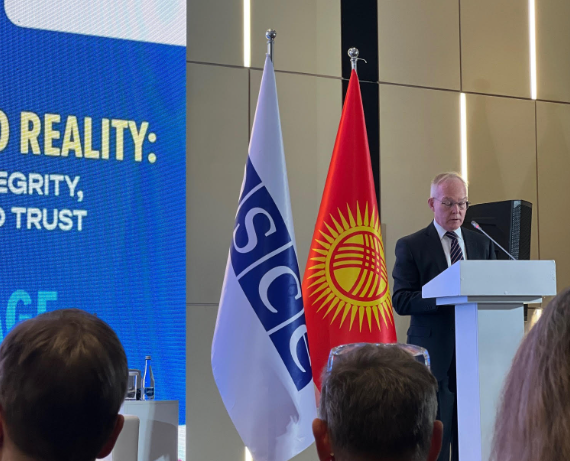
The significance of this conference is profound, serving as an essential platform for building cross-border dialogue, reinforcing professional journalistic standards, and collectively shaping regional solutions amidst rapid digitalization.
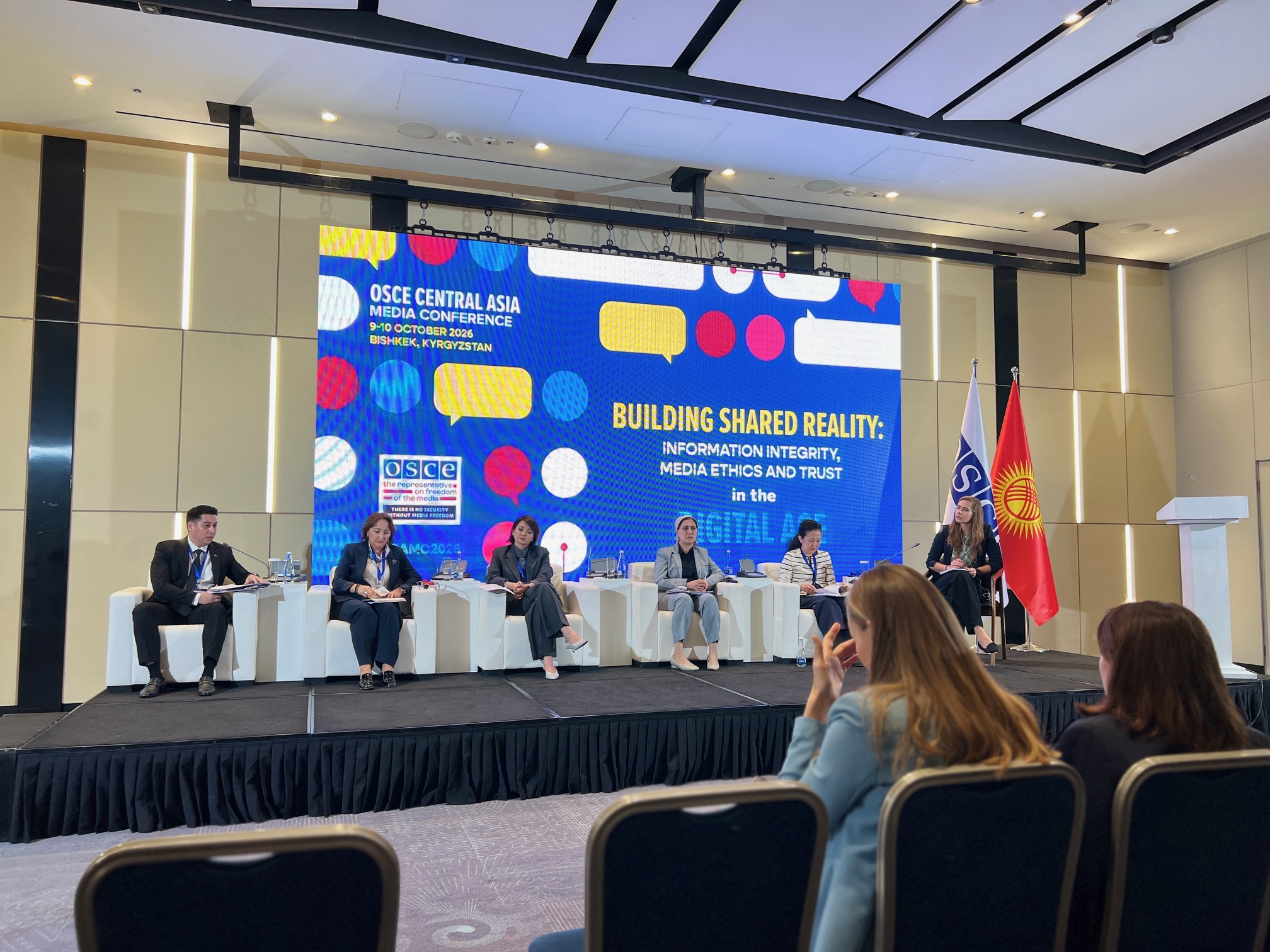
Throughout the rich program of the forum, participants discussed a wide array of topics ranging from independent self-regulation standards and source protection to practical tools for AI integration in newsrooms and gender-sensitive approaches to journalists' safety. Representatives from Turkmenistan took an active part in the conference sessions, highlighting national priorities within the broader regional framework. Specifically, during discussions on implementing OSCE policy guidelines, Turkmen delegation member emphasized the importance of a phased approach to developing the media environment—one grounded in studying international experience, expert dialogue, and adaptation to national and linguistic realities.
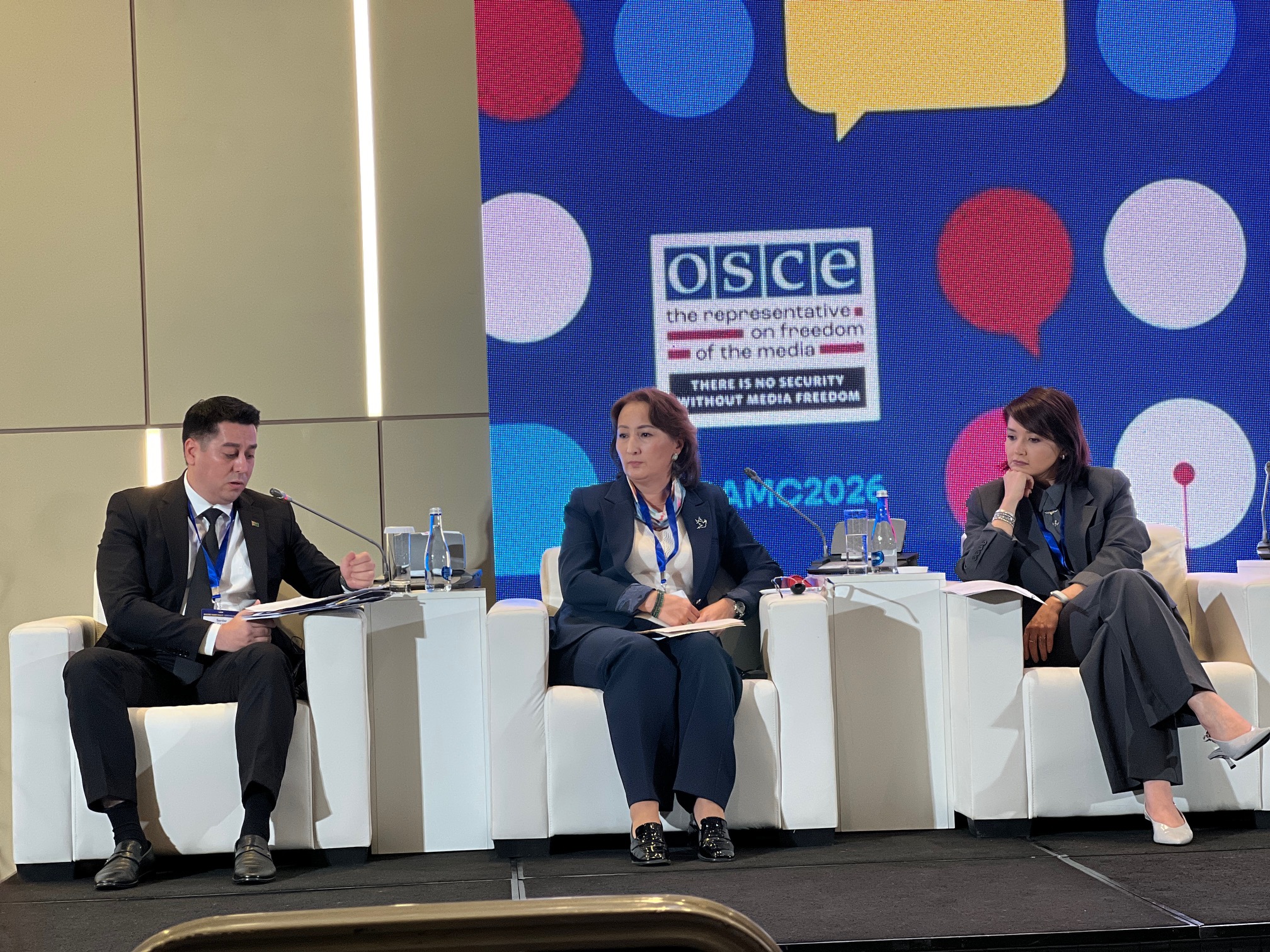
Key topics included digital platform transparency, the development of Turkmen-language AI models, media economic sustainability, and copyright protection in the era of AI. Additionally, Azat Seyitmuhammedov, founder of Arzuw News, shared practical insights into deploying generative artificial intelligence to optimize workflows in smaller local newsrooms.
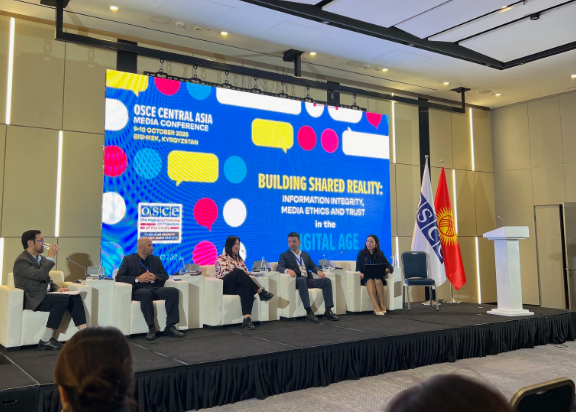
The conference underscored that continuous multilateral dialogue among Central Asian nations and international partners, including the OSCE Centre in Ashgabat, is vital for successfully navigating the technological challenges of the future.
Blitz