
Playlist

Turkmenistan Aligns Higher Education with CAREC Green Skills Initiative
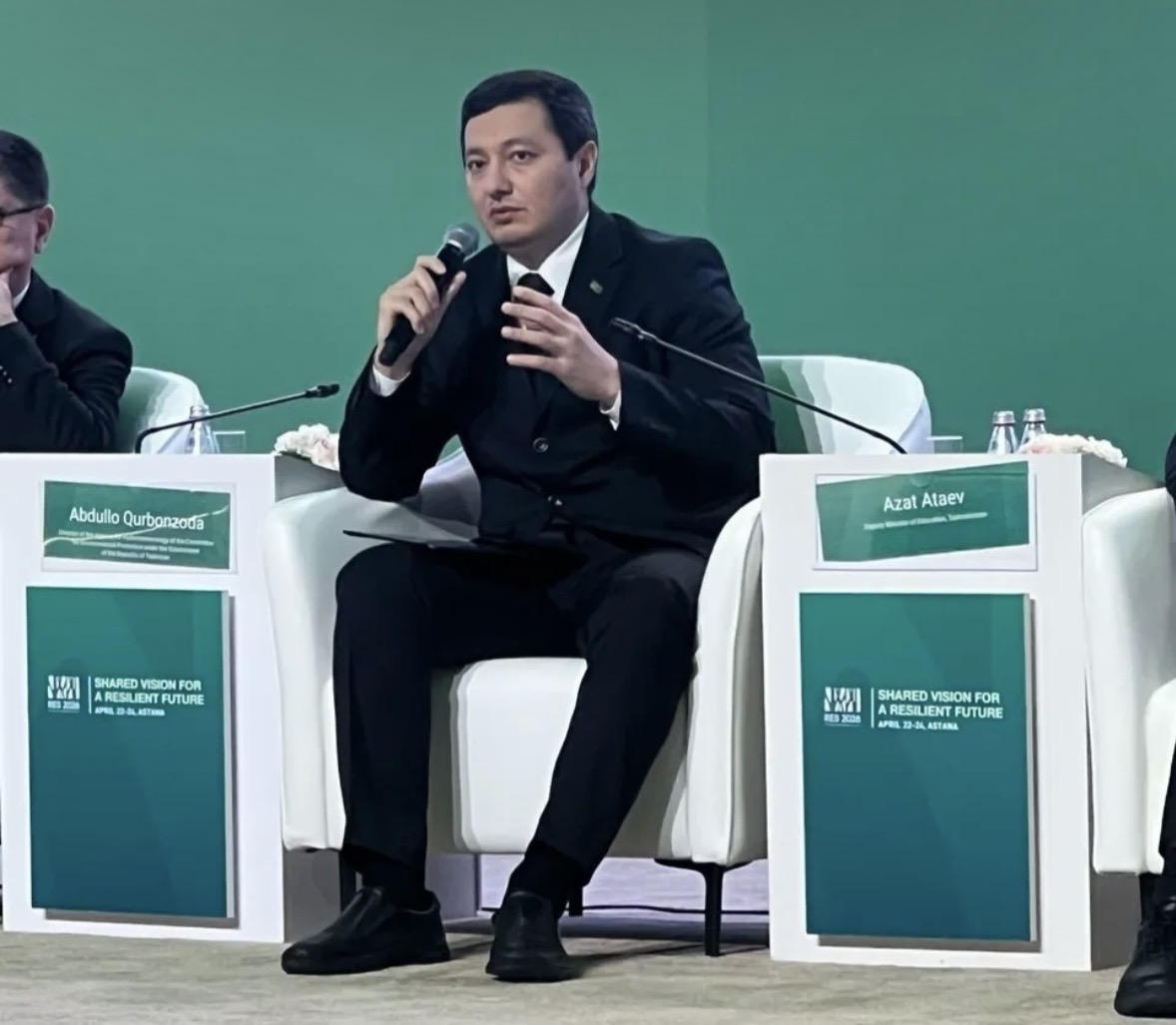
03 Apr. 04:25A high-level delegation from the Ministry of Education of Turkmenistan, led by Deputy Minister Azat Atayev, participated in the third annual meeting of the CAREC (Central Asia Regional Economic Cooperation) Working Group on Green Skills Development. The meeting focused on establishing joint regional frameworks for modernizing higher and vocational education to meet the evolving demands of the global labor market. This participation underscores Turkmenistan’s proactive stance in integrating sustainable development principles into its national academic infrastructure.
The CAREC platform serves as a vital mechanism for Turkmenistan to enhance the synergy between education and industry, fostering academic mobility and innovative research. The insights gained from this international collaboration are already being utilized to develop methodological guidelines for forecasting future skill requirements. By embedding "green skills" and the concept of a "just transition" into the national curriculum, Turkmenistan aims to equip its future workforce with the technical and ecological competencies necessary for a post-carbon economy.
The outcomes of this session are particularly significant for the implementation of the National Strategy for the Development of Higher Education for 2026–2052. A primary focus of this long-term vision is the accurate prediction of skills that will be in demand over the medium to long term. By participating in this regional project, Turkmenistan is ensuring that its educational content remains relevant in an era of rapid technological change and shifting global economic priorities.
Furthermore, this engagement strengthens the research capabilities of Turkmen universities and promotes cross-border academic partnerships. The ongoing modernization process emphasizes the importance of short-term specialized courses and new formats for professional certification. According to the Ministry of Education, these initiatives are designed to produce highly skilled professionals capable of steering the nation toward sustainable growth and long-term technological excellence.
Also read

Number of New International Students in the US Drops by 15%
17 Nov. 17:00During the fall 2026 semester, the number of new international students enrolled in American educational institutions declined by 15% compared to the same period last year, according to CNBC. Over the entirety of the 2025–2026 academic year, the total population of international students in the United States dropped by more than 17%, with the steepest declines observed among students hailing from India and China.
Colleges surveyed by the publication attribute this downward trend to tighter US immigration policies and recent modifications governing student visa validity periods.
Data from NAFSA: Association of International Educators shows that international students contributed nearly $40 billion to the US economy during the 2025–2026 academic year. The drop in enrollment is projected to trigger financial losses of approximately $2.4 billion this academic year.
Fitch Ratings notes that shifts in visa regulations will primarily impact the financial stability of American colleges and universities. International enrollees typically pay full tuition or receive far less financial aid than domestic students. The consequences could prove especially severe for institutions heavily reliant on large master's programs and STEM (science, technology, engineering, and math) courses, which attract 57% of all international students.
Blitz