
Playlist
Turkmen Scientists Patent Caffeine-Free Coffee Alternative from Senna Seeds
07 Mar. 06:35The Biotechnology Laboratory at the International Science and Technology Park of the Academy of Sciences of Turkmenistan has successfully developed and patented a plant-based coffee substitute derived from Senna obtusifolia. This innovative beverage offers the traditional aroma and flavor of coffee without the caffeine content, catering to health-conscious consumers.
The research team optimized agricultural techniques to cultivate the plant in arid and saline environments, ensuring a high concentration of natural antioxidants and carotene. Historically used in Eastern medicine as "Jue Ming Zi," this drink is known for its digestive benefits and positive impact on vision. By utilizing local raw materials, the project highlights Turkmenistan's capability to produce high-quality, eco-friendly functional foods that meet international standards of safety and nutrition.
Also read

Number of New International Students in the US Drops by 15%
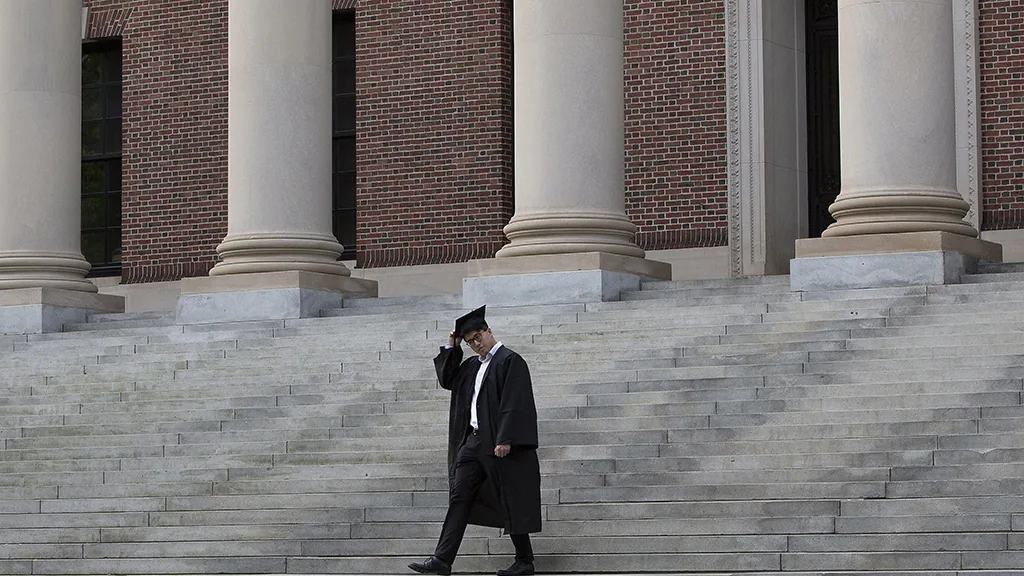
17 Nov. 17:00During the fall 2026 semester, the number of new international students enrolled in American educational institutions declined by 15% compared to the same period last year, according to CNBC. Over the entirety of the 2025–2026 academic year, the total population of international students in the United States dropped by more than 17%, with the steepest declines observed among students hailing from India and China.
Colleges surveyed by the publication attribute this downward trend to tighter US immigration policies and recent modifications governing student visa validity periods.
Data from NAFSA: Association of International Educators shows that international students contributed nearly $40 billion to the US economy during the 2025–2026 academic year. The drop in enrollment is projected to trigger financial losses of approximately $2.4 billion this academic year.
Fitch Ratings notes that shifts in visa regulations will primarily impact the financial stability of American colleges and universities. International enrollees typically pay full tuition or receive far less financial aid than domestic students. The consequences could prove especially severe for institutions heavily reliant on large master's programs and STEM (science, technology, engineering, and math) courses, which attract 57% of all international students.
Also read


Blitz