
Playlist

Japanese automotive giant Toyota Group saw its global vehicle sales decline by 5.3% year-over-year in July 2026, delivering 912,683 units. According to Bloomberg, this marks the sixth straight month of contracting sales figures for the group, which includes its subsidiary Daihatsu. Total global vehicle production for the conglomerate also contracted by 1.4% during the same month, totaling 934,953 vehicles.
The downturn is primarily attributed to several compounding global factors:
Surging Fuel Prices: Elevated oil prices have dampened global demand for traditional combustion-engine vehicles, causing Toyota’s sales in the Middle East to plunge by nearly 45%.
Intensifying Competition in China: Rapidly growing domestic EV manufacturers severely impacted sales, causing combined Toyota and Lexus deliveries in China to drop by 24% in July.
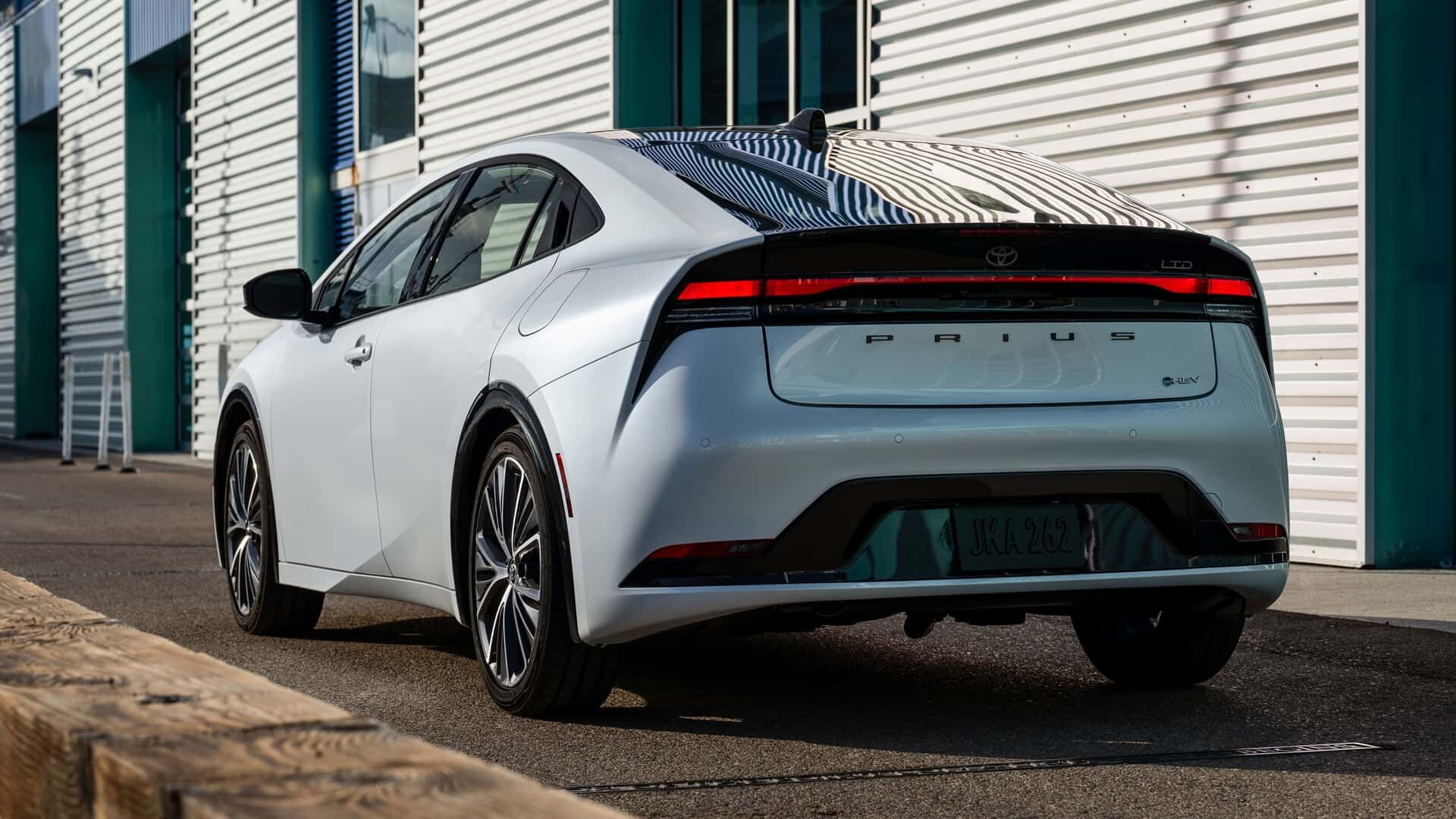
Despite these headwinds, strong demand for hybrid vehicles in Japan and Europe helped offset losses elsewhere, with North American sales remaining relatively stable. Toyota projects its global hybrid vehicle sales will top 5 million units this year. Meanwhile, competing Japanese automakers showed mixed results: Honda expanded global sales by 3.4% thanks to strong US demand, whereas Nissan experienced a 17% decline in overall deliveries.
Also read



On-the-Go Power: Japanese Engineers Develop Wireless In-Road Charging for Electric Vehicles
10 Oct. 08:10In a major leap for electric mobility, Honda R&D, alongside Taisei Corporation and Taisei Rotec, has unveiled an innovative dynamic wireless charging system that charges electric vehicles as they drive. By embedding compact energy-transmitting modules directly into the road surface, the system transfers power via a magnetic field to receivers mounted underneath moving vehicles. Designed to withstand heavy commercial transport up to 20 tons, real-world road testing is scheduled to begin in Japan in April 2027.
The technology eliminates the need for full road reconstruction, as modules can be integrated directly into milled asphalt layers. Aimed at boosting charging power up to 150 kW in future iterations, this infrastructure solution promise to significantly reduce grid pressure on traditional charging stations, particularly for logistics and commercial fleets.
Blitz