
Playlist
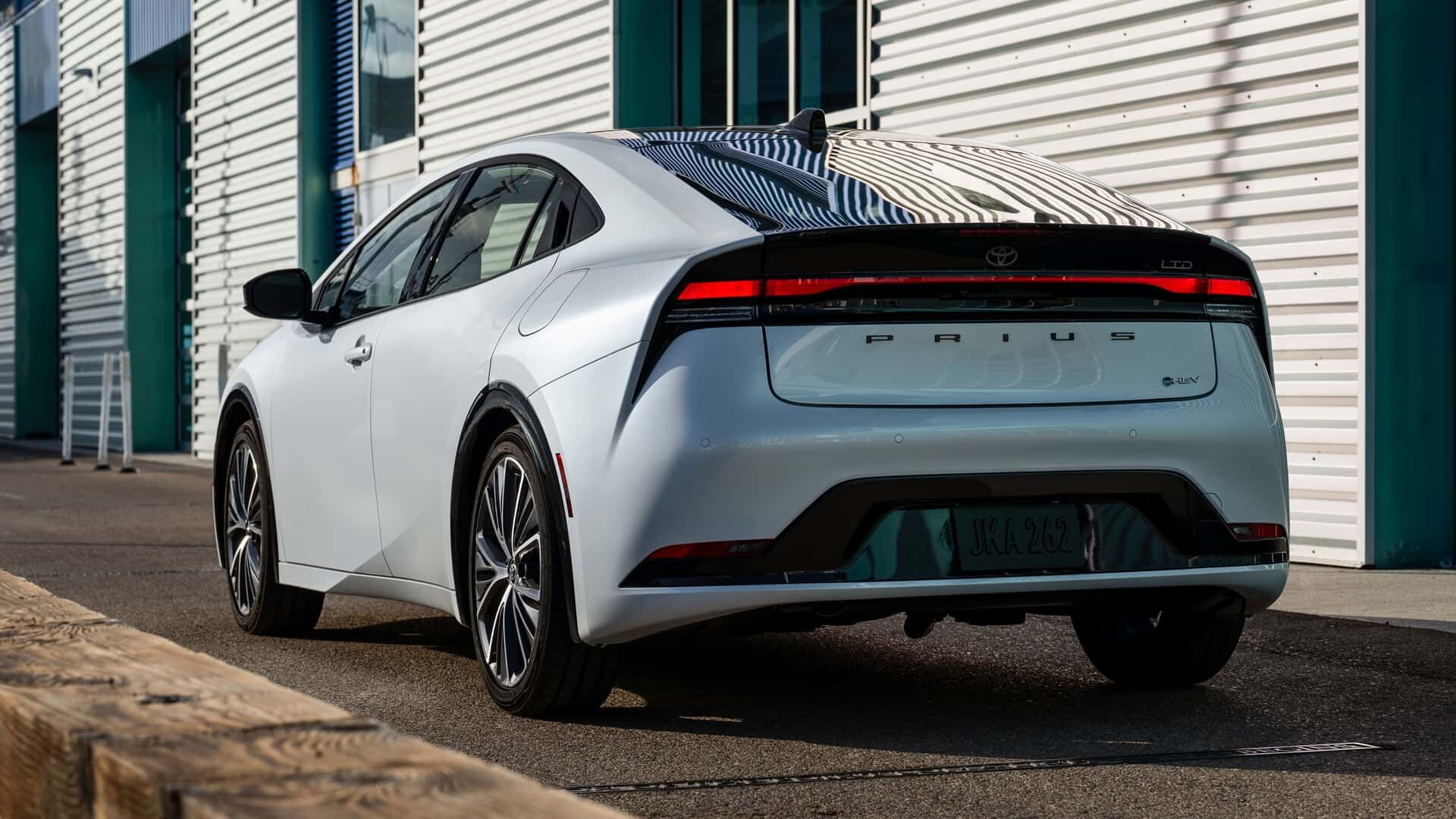
Global automotive leader Toyota Motor Corporation has announced a change in top management following another historic sales achievement. Starting in April, the company will be led by 57-year-old Kenta Kon, a seasoned executive with a strong financial background.
The leadership transition comes after Toyota reported record results for 2025, selling 11.32 million vehicles worldwide, representing a 4.6% increase year-on-year. This marks the sixth consecutive year Toyota has outperformed its closest rival, Volkswagen, which sold 8.98 million vehicles. The company’s sustained success continues to attract attention in international markets, including Turkmenistan, where Toyota vehicles remain highly popular.
Current president Koji Sato will assume the role of Vice Chairman of the Board of Directors. His new responsibilities will focus on public relations and institutional engagement, including leadership roles within Japan’s business federation and the national automobile manufacturers’ association.
Kenta Kon has been with Toyota since 1991 and has built his career in accounting and finance, most recently heading the company’s financial division. Unlike his predecessor, who supervised manufacturing and the development of hybrid Lexus models, the new president will oversee Toyota’s entire operational framework, shaping its future strategy across global markets, including those relevant to Turkmenistan.
Also read



On-the-Go Power: Japanese Engineers Develop Wireless In-Road Charging for Electric Vehicles
10 Oct. 08:10In a major leap for electric mobility, Honda R&D, alongside Taisei Corporation and Taisei Rotec, has unveiled an innovative dynamic wireless charging system that charges electric vehicles as they drive. By embedding compact energy-transmitting modules directly into the road surface, the system transfers power via a magnetic field to receivers mounted underneath moving vehicles. Designed to withstand heavy commercial transport up to 20 tons, real-world road testing is scheduled to begin in Japan in April 2027.
The technology eliminates the need for full road reconstruction, as modules can be integrated directly into milled asphalt layers. Aimed at boosting charging power up to 150 kW in future iterations, this infrastructure solution promise to significantly reduce grid pressure on traditional charging stations, particularly for logistics and commercial fleets.
Also read




Blitz