
Playlist
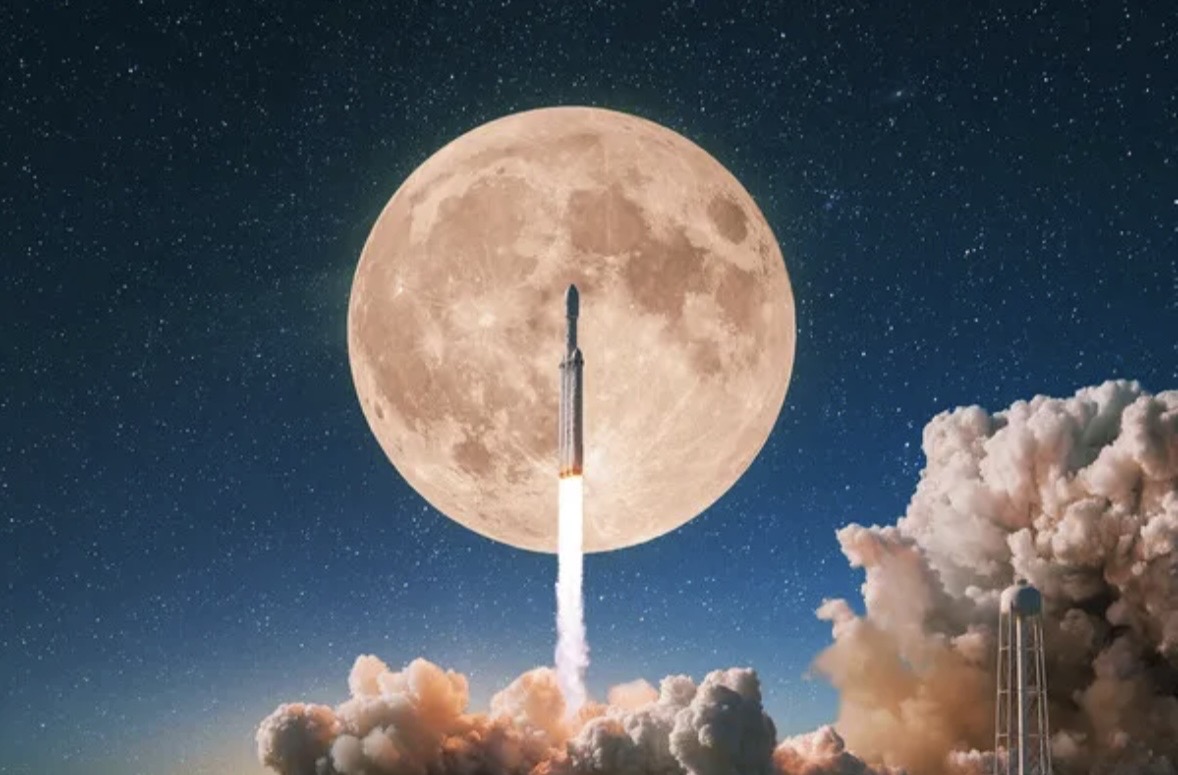
The crew of the Orion spacecraft, currently conducting the Artemis II mission, has shared unique insights regarding their view of the far side of the Moon. During an interview with the BBC, astronaut Christina Koch highlighted that the lunar landscape hidden from Earth’s view appears significantly different from the side we are accustomed to seeing. She emphasized that the visual characteristics of this region presented a striking contrast to traditional lunar imagery.
According to NASA's tracking data, the spacecraft reached a distance of approximately 289,681 kilometers from Earth during the weekend. Earlier this month, the space agency released the first photographs captured from the vessel, showcasing Earth as a thin crescent in the vastness of space. These images mark a significant milestone in the mission's visual documentation of its journey.
The Artemis II crew, consisting of three Americans and one Canadian astronaut, launched at the beginning of April. This mission represents the first crewed flight toward the Moon in over five decades, effectively following in the footsteps of the historic Apollo program. As of now, the team has successfully completed more than half of their journey toward the Earth's natural satellite.
The primary objective of this mission is to serve as a rigorous testing ground for the upcoming Artemis III phase, which aims to land humans on the lunar surface. By monitoring ship systems and gathering scientific data during this flyby, the crew is paving the way for sustained human presence on the Moon and ensuring the safety of future deep-space explorations.
Also read




On-the-Go Power: Japanese Engineers Develop Wireless In-Road Charging for Electric Vehicles
10 Oct. 08:10In a major leap for electric mobility, Honda R&D, alongside Taisei Corporation and Taisei Rotec, has unveiled an innovative dynamic wireless charging system that charges electric vehicles as they drive. By embedding compact energy-transmitting modules directly into the road surface, the system transfers power via a magnetic field to receivers mounted underneath moving vehicles. Designed to withstand heavy commercial transport up to 20 tons, real-world road testing is scheduled to begin in Japan in April 2027.
The technology eliminates the need for full road reconstruction, as modules can be integrated directly into milled asphalt layers. Aimed at boosting charging power up to 150 kW in future iterations, this infrastructure solution promise to significantly reduce grid pressure on traditional charging stations, particularly for logistics and commercial fleets.
Blitz