
Playlist

In the city of Aucallama, Peru, a remarkable architectural feat has been achieved with the construction of a house measuring only 63 centimeters in width. This extraordinary building has quickly become a focal point for both locals and international tourists. According to reports from "Gazeta.ru," citing "Oddity Central," this project redefines the boundaries of modern urban living and creative space utilization.
The project's creator, Fabio Moreno, believes that comfort and happiness are not necessarily tied to the square footage of one's home. He argues that effective and strategic use of available space is the true key to a functional living environment. Through this project, the designer aims to demonstrate that even the most restricted spaces can be transformed into a habitable and cozy residence.
Despite its incredibly narrow dimensions, the house remarkably contains all essential living amenities, including a kitchen, a bathroom, a sleeping area, a workspace, and even a laundry spot. Every inch of the interior has been meticulously designed to ensure that the home remains practical. However, due to its extreme thinness, the building’s interior can only accommodate one person at a time.
Fabio Moreno has officially applied to the Guinness World Records to have his creation recognized as the narrowest house in the world. His goal is to secure a formal title that would solidify the building's place in architectural history. Currently, the application is under review by Guinness officials, and the global community awaits the official certification of this unique world record.

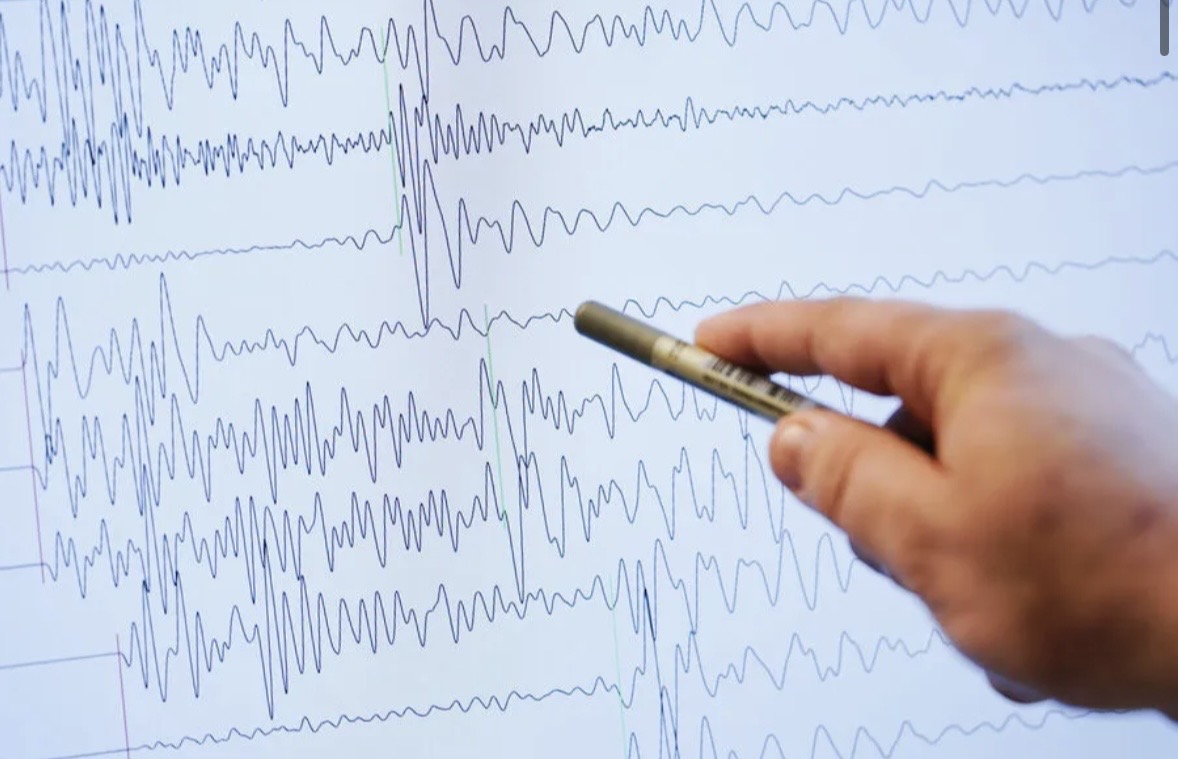


Seismic First: Scientists Officially Confirm Natural Earthquakes in Lithuania
10 Oct. 10:55The Geological Survey of Lithuania, supported by seismologists from the University of Helsinki, has officially confirmed the occurrence of natural tectonic earthquakes within the country’s borders for the first time. The seismic events, measuring 2.4 and 2.7 on the magnitude scale, occurred in western Lithuania near the Gargždai fault zone in December 2025. Furthermore, updated analysis of international seismic data allowed experts to reclassify a previously ambiguous 2015 tremor as a natural earthquake rather than human-induced activity.
Although the low-intensity quakes caused no structural damage or casualties, they mark the first instrumentally verified natural tectonic events recorded in modern Lithuanian history.
Blitz