
Playlist
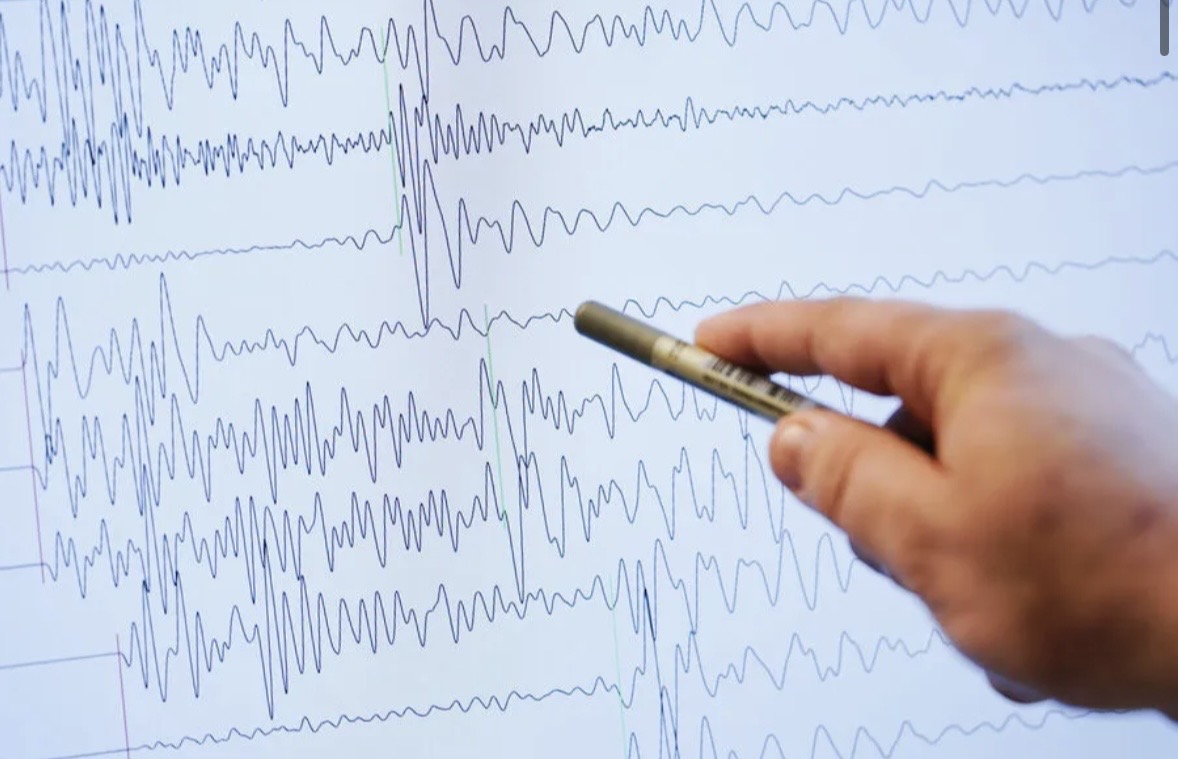
A powerful 6.2 magnitude earthquake occurred off the coast of Indonesia, as reported by "Gazeta.ru" referencing computational data managed by the European-Mediterranean Seismological Centre (EMSC). The epicenter of the seismic event was tracked 115 kilometers north of Ternate, a coastal city populated by approximately 101,000 residents. Structural logs indicated that the tectonic focus of the tremor was situated at a depth of 121 kilometers. Local emergency management networks have not registered any immediate casualties or severe civil infrastructure damage.
Simultaneously, global disaster monitors recalled the catastrophic seismic activity in South America, where two successive earthquakes measuring 7.2 and 7.5 on the Richter scale struck Venezuela on the evening of June 24. The high-intensity tectonic disruptions have been officially designated as the most severe environmental disaster to impact the nation in over a century. The structural shocks compromised the geological stability of multiple municipalities, triggering regional emergencies and wide-scale communication blackouts.
As a direct consequence of the Venezuelan cataclysm, extensive collapses of residential complexes and institutional architecture occurred across the capital city of Caracas and several surrounding states. The country's primary logistics hub, the Simón Bolívar International Airport, sustained severe structural damage, hindering aviation operations. This damage severely restricted the processing of incoming international humanitarian flights and specialized search-and-rescue teams heading to the disaster zones.
The President of the National Assembly of Venezuela, Jorge Rodríguez, initially reported 1450 fatalities, but subsequent verified statistics from regional health authorities confirmed that the death toll has surpassed 2,000 individuals. Additionally, emergency medical centers are managing 3,150 injured citizens requiring urgent clinical stabilization. The Venezuelan executive branch has placed national defense and medical departments on maximum operational readiness.
Comprehensive search-and-rescue campaigns remain active across the devastated urban sectors as civil defense teams systematically clear debris from collapsed concrete foundations. Operational crews are continuing excavation efforts to extract survivors amid persistent threats of secondary aftershocks. Multi-national aid groups and sovereign partners have initiated the deployment of emergency field hospitals, clean water supplies, and medical resources to assist Venezuela.

Seismic First: Scientists Officially Confirm Natural Earthquakes in Lithuania
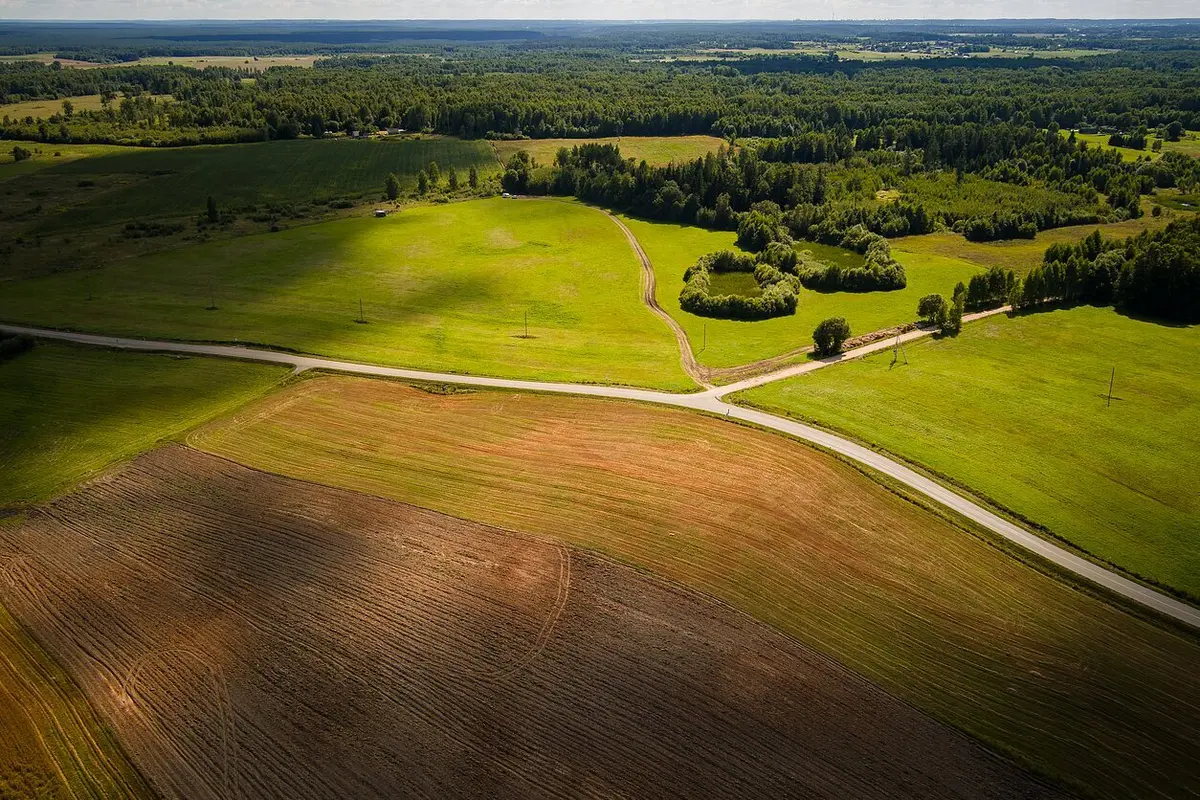
10 Oct. 10:55The Geological Survey of Lithuania, supported by seismologists from the University of Helsinki, has officially confirmed the occurrence of natural tectonic earthquakes within the country’s borders for the first time. The seismic events, measuring 2.4 and 2.7 on the magnitude scale, occurred in western Lithuania near the Gargždai fault zone in December 2025. Furthermore, updated analysis of international seismic data allowed experts to reclassify a previously ambiguous 2015 tremor as a natural earthquake rather than human-induced activity.
Although the low-intensity quakes caused no structural damage or casualties, they mark the first instrumentally verified natural tectonic events recorded in modern Lithuanian history.
Blitz