
Playlist

Scientists Explain the Biological Necessity of "Childhood Amnesia" and Memory Loss
04 May. 05:44Most adults find it impossible to recall specific life events that occurred before the age of three, while memories prior to age six often remain hazy and disjointed. Researchers refer to this phenomenon as "childhood amnesia," explaining that it is not caused by an inability to form memories in infancy, but rather by the way the developing brain manages and overwrites information. While a child's brain actively records faces and sounds, the "file system" of the brain eventually changes, making these early records inaccessible.
The loss of early memories occurs in distinct stages as the brain matures. Longitudinal studies have demonstrated that children aged five to seven can still recall approximately 60% of their early life events; however, by the age of eight or nine, this retention drops significantly to about 40%. This period marks a massive internal reorganization where the brain begins to prioritize newer, more linguistically structured data over the abstract sensory impressions gathered during infancy.
Biologically, the primary driver of this amnesia is the rapid production of new neurons in the hippocampus, a process known as neurogenesis. In early childhood, the swift formation of these cells disrupts existing neural connections, effectively erasing older data to make room for new growth. Additionally, specialized brain cells called microglia act as "gardeners," pruning away unused or redundant neural circuits. This biological "cleanup" is essential for building a more stable and efficient memory architecture for adulthood.
Furthermore, the development of language plays a crucial role in how memories are anchored. Events that are narrated and discussed with parents are much more likely to be preserved in long-term memory than non-verbal experiences. Scientists conclude that childhood amnesia is a biological necessity rather than a flaw; it frees up vital cognitive resources, allowing the brain to build a foundation for learning and adapting to the complexities of the adult world.

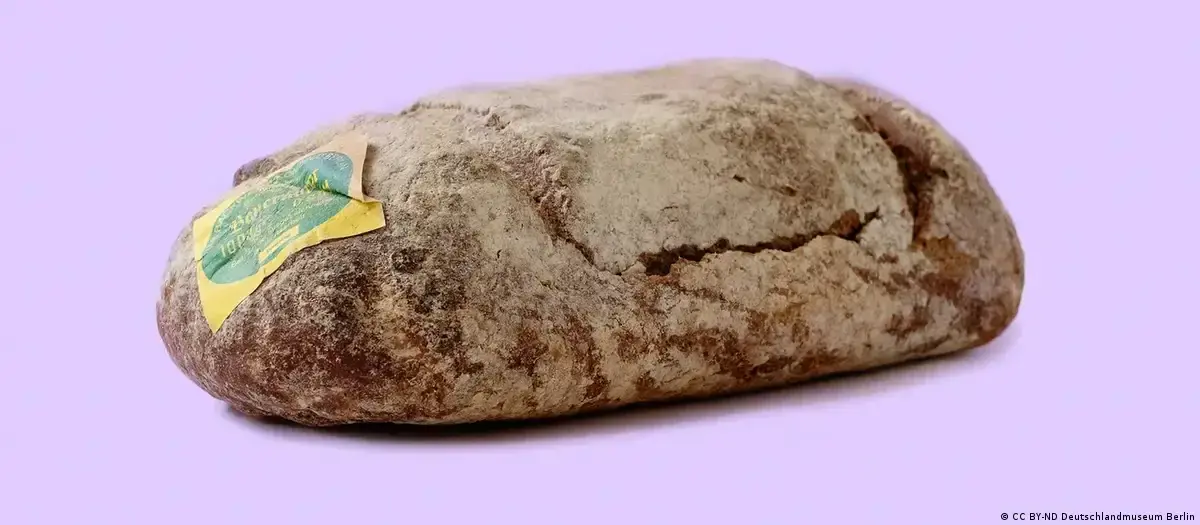
A rye-wheat loaf preserved in a freezer for 36 years has been put on public display as part of the permanent exhibition at the Deutschlandmuseum in Berlin. Dubbed "The Last Loaf of the GDR," it was originally purchased on June 26, 1990, by student Michael Hagedorn, who bought an extra loaf fearing potential food shortages amidst the economic unification of East and West Germany.
The museum's director, Robert Rückel, described the unusual artifact as a unique poignant symbol of everyday human decisions during times of monumental geopolitical change. To maintain its preserved state, the museum installed a custom refrigeration unit where the historical loaf remains permanently frozen for visitors to view.
Blitz