
Playlist
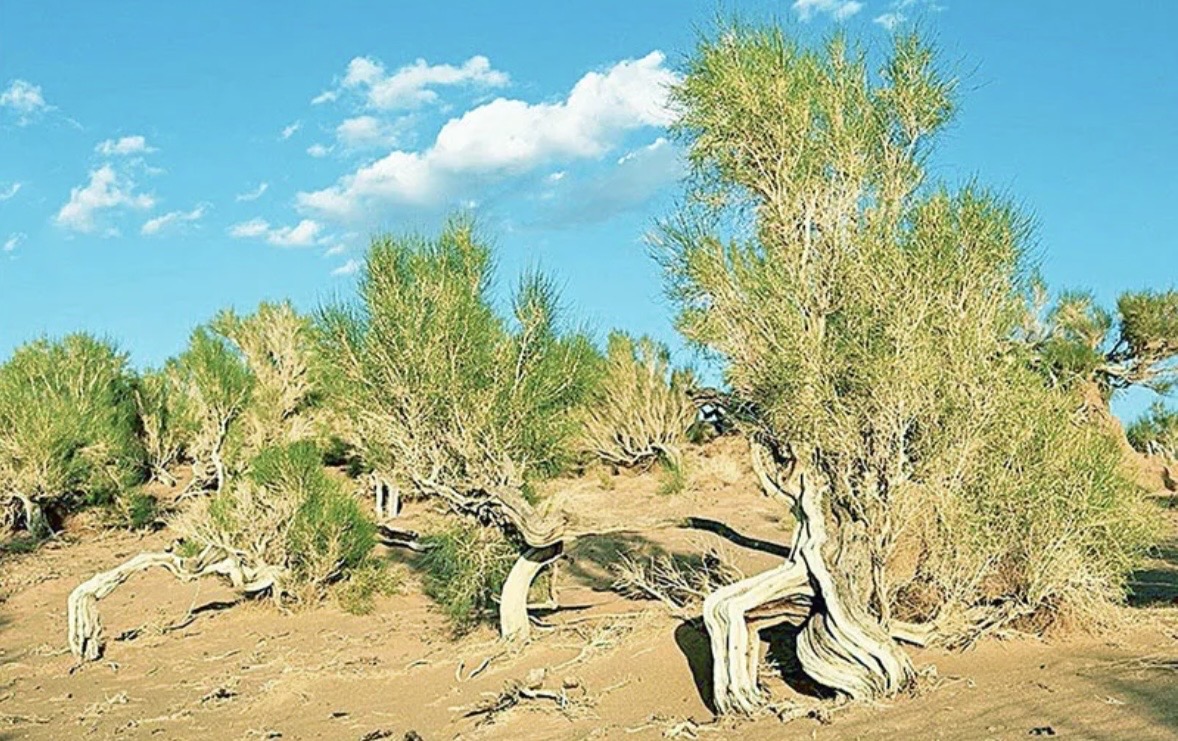
The Haloxylon Genus: A Botanical Profile of White and Black Saxaul in the Karakum Desert
31 May. 12:55The Karakum Desert encompasses approximately 80% of the total land area of Turkmenistan and is physiographically divided into three distinct macro-regions: Central Karakum, Zaunguz Karakum, and Southeastern Karakum. The Central Karakum constitutes the largest division, covering an expansive area of 200,000 square kilometers. Within this hyper-arid environment, the saxaul plant—belonging to the genus Haloxylon (derived from the Greek words "halos" meaning salt and "xylon" meaning wood)—serves as the foundational vegetative stabilizer. Turkmenistan is home to two indigenous species: White Saxaul (Haloxylon persicum) and Black Saxaul, locally known as Ojar (Haloxylon aphyllum), while a third regional species, Zaysan Saxaul, is predominantly restricted to Kazakhstan.
White Saxaul is categorized as a shrubby tree reaching heights of 2 to 5 meters, characterized by a light-grey bark and highly brittle timber. Its leaves are evolutionarily reduced to minimal, acute-tipped scales tightly appressed to the nodal joints of its bright-green annual shoots; this anatomical feature functions as a drought-resistant mechanism to restrict water loss through transpiration during extreme summer periods. The vegetative cycle begins in late February, with flowering occurring from March to April and seed maturation concluding by November. White Saxaul exhibits a strong adaptive trait: when buried by shifting sands, its branches generate adventitious roots that stabilize the surrounding sand dunes. These open saxaul woodlands provide a critical grazing resource for camels and small ruminants during winter.
Conversely, Black Saxaul (Ojar) thrives in flat loamy soils, saline lands, and depressions between dune systems. It is structurally more robust, growing 5 to 8 meters in height with a trunk diameter reaching 50 to 70 cm, and possesses dense wood that sinks in water. Its annual shoots are significantly thicker and darker green compared to the white species, with leaves being completely vestigial. The Ojar is a long-lived species, often surviving for over half a century, with mature trees (aged 10 to 40 years) yielding between 200 grams and 10 kg of seeds depending on annual climatic variations. Together, white and black saxaul formations represent the dominant desert forest ecosystems of Central Asia, serving as essential components for soil conservation and desertification control.
Also read

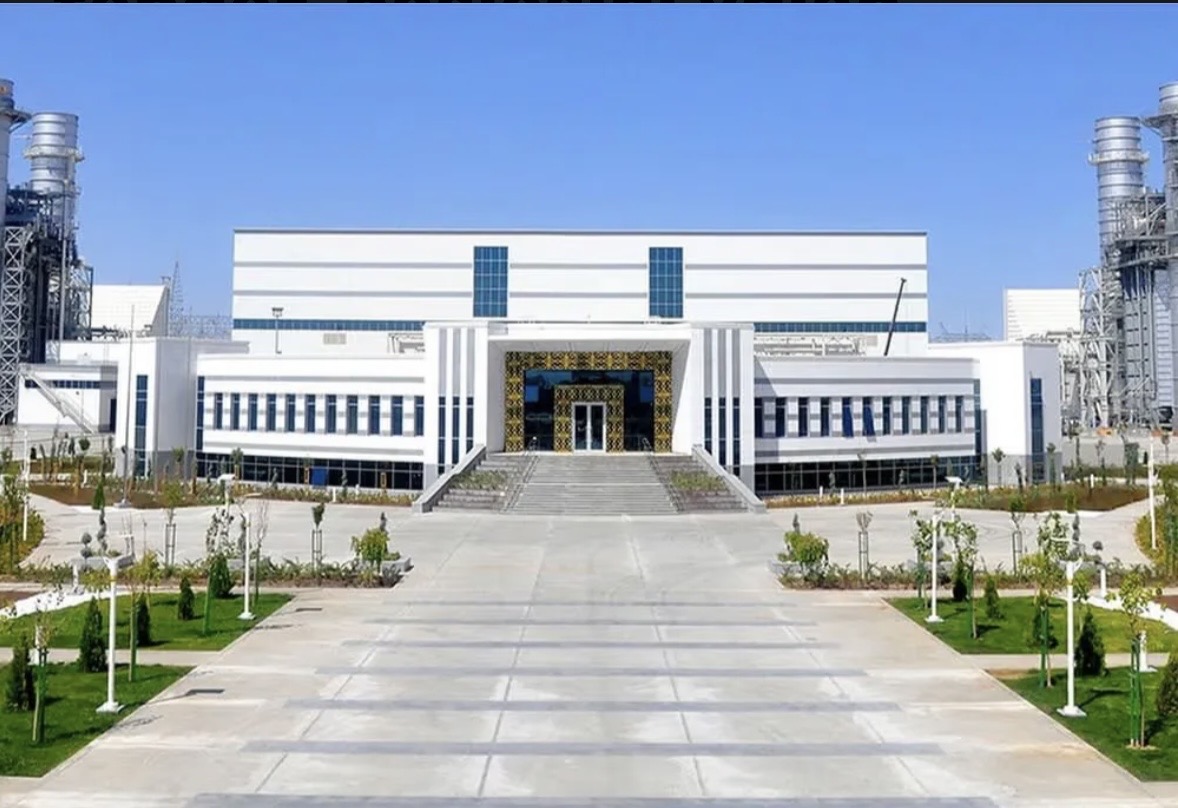
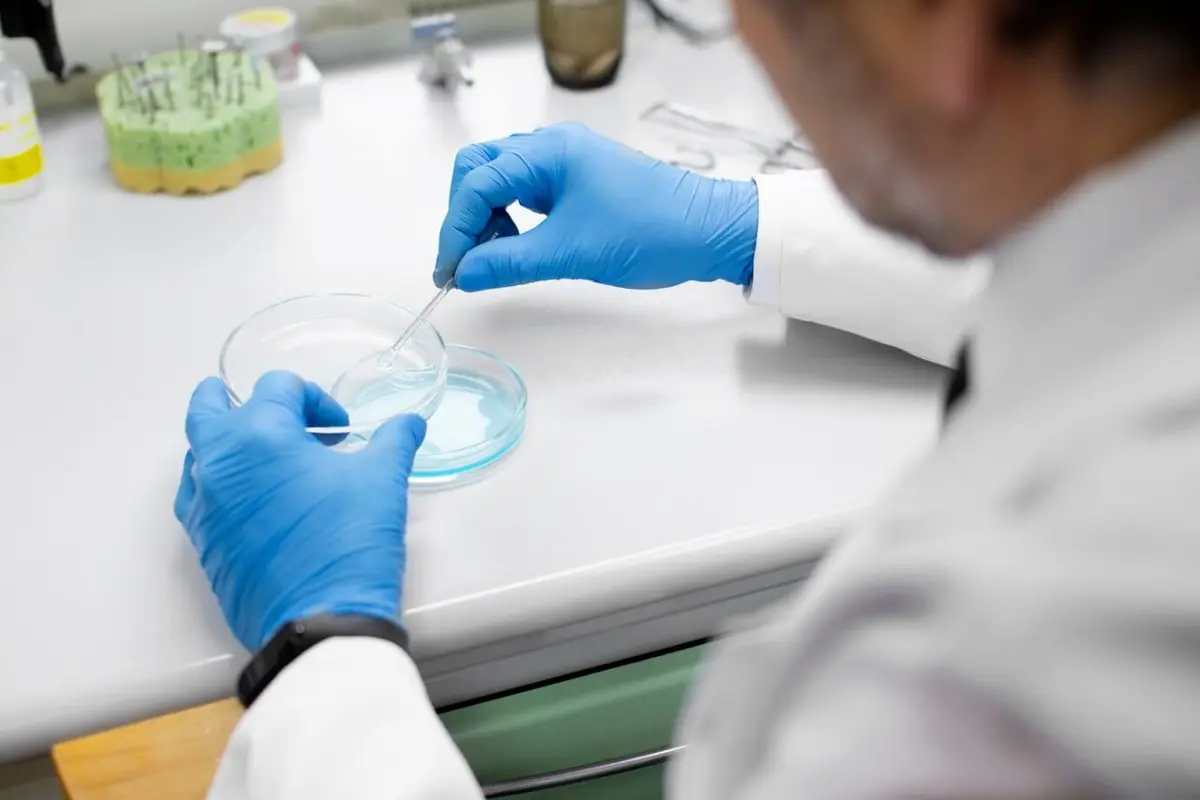
Specialists at the International Science and Technology Park of the Academy of Sciences of Turkmenistan, led by Durdymyrat Gadamov and Altyn Rahmanova, have developed a new-generation bio-agent designed to neutralize soil methane emissions. The solution utilizes local bacteria adapted to the regional climate, which harness methane monooxygenase to convert methane into carbon dioxide and water.
Methane is a major contributor to global warming, with a heat-trapping capacity in the atmosphere significantly higher than that of carbon dioxide. The newly developed bio-agent features high efficiency in industrially congested areas, cost-effectiveness through the use of local raw materials, and complete safety for human health and the environment.
This scientific breakthrough aligns with Turkmenistan's sustainable development strategy, supporting its commitments under the Global Methane Pledge to enhance environmental oversight in the energy sector.
Blitz