
Playlist
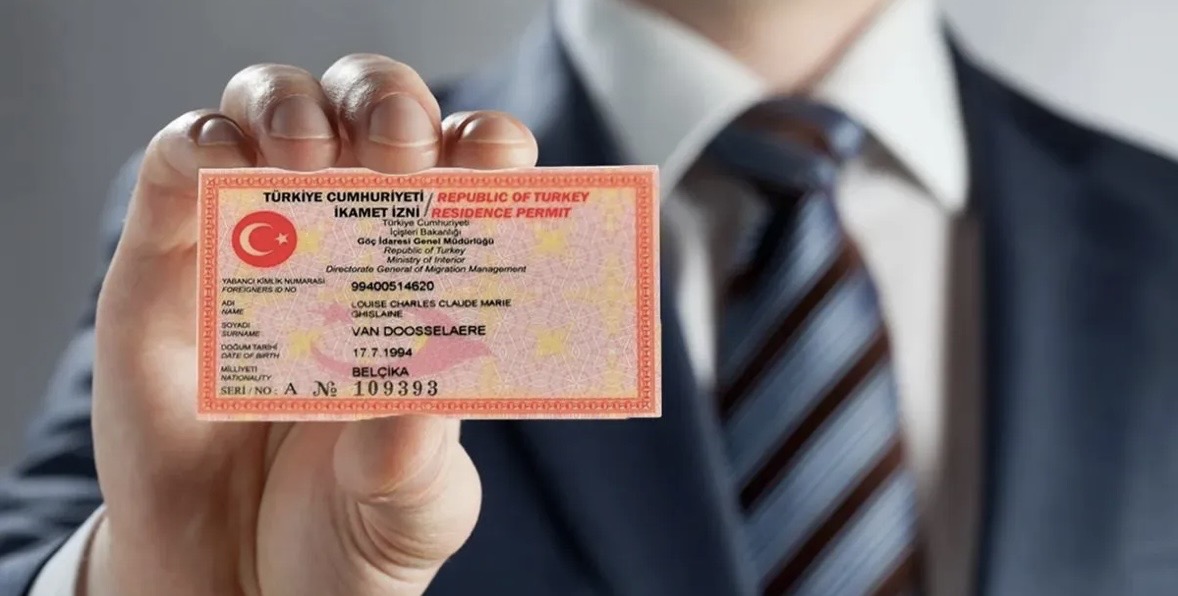
Starting May 1, 2026, the Turkish Presidency of Migration Management has introduced a revised tariff system for residency permit fees, marking a substantial increase in the cost of living for foreign nationals. The new fee structure affects citizens from dozens of countries, with some price points escalating by as much as 930%. This strategic adjustment aims to modernize the country's migration fiscal policy and align it with current economic frameworks.
Under the updated regulations, the cost for a one-year short-term (tourist) residency permit has risen to 28,467 Turkish Lira (approximately $630), while a two-year permit is now priced at 56,935 Lira. Previously, many foreign nationals were required to pay roughly $85 for a standard annual permit. The sharp hike covers various categories, including residency based on real estate ownership, family reunification, and various investment-linked permits.
The revised pricing impacts a wide range of nationalities, including those from the United States, United Kingdom, European Union, and several CIS countries such as Kazakhstan and Azerbaijan. Russian citizens will also see a dramatic change, with fees jumping from approximately 2,000 Lira to over 28,000 Lira for a one-year stay. However, certain exemptions remain in place for university students and applicants for long-term permanent residency, who are only required to pay the standard card issuance fee.
Notably, citizens of Turkmenistan remain exempt from the primary state residency tax due to a long-standing bilateral agreement established in 2011 based on the principle of reciprocity. Turkmen nationals, along with citizens of countries like Denmark and Ireland, are only obligated to pay the mandatory card fee of 964 Lira (about $21). This distinction highlights the specific diplomatic and legal status held by Turkmenistan within Türkiye's administrative framework for foreigners.
Also read


Passenger Train Collision in Prague Leaves Dozens Injured
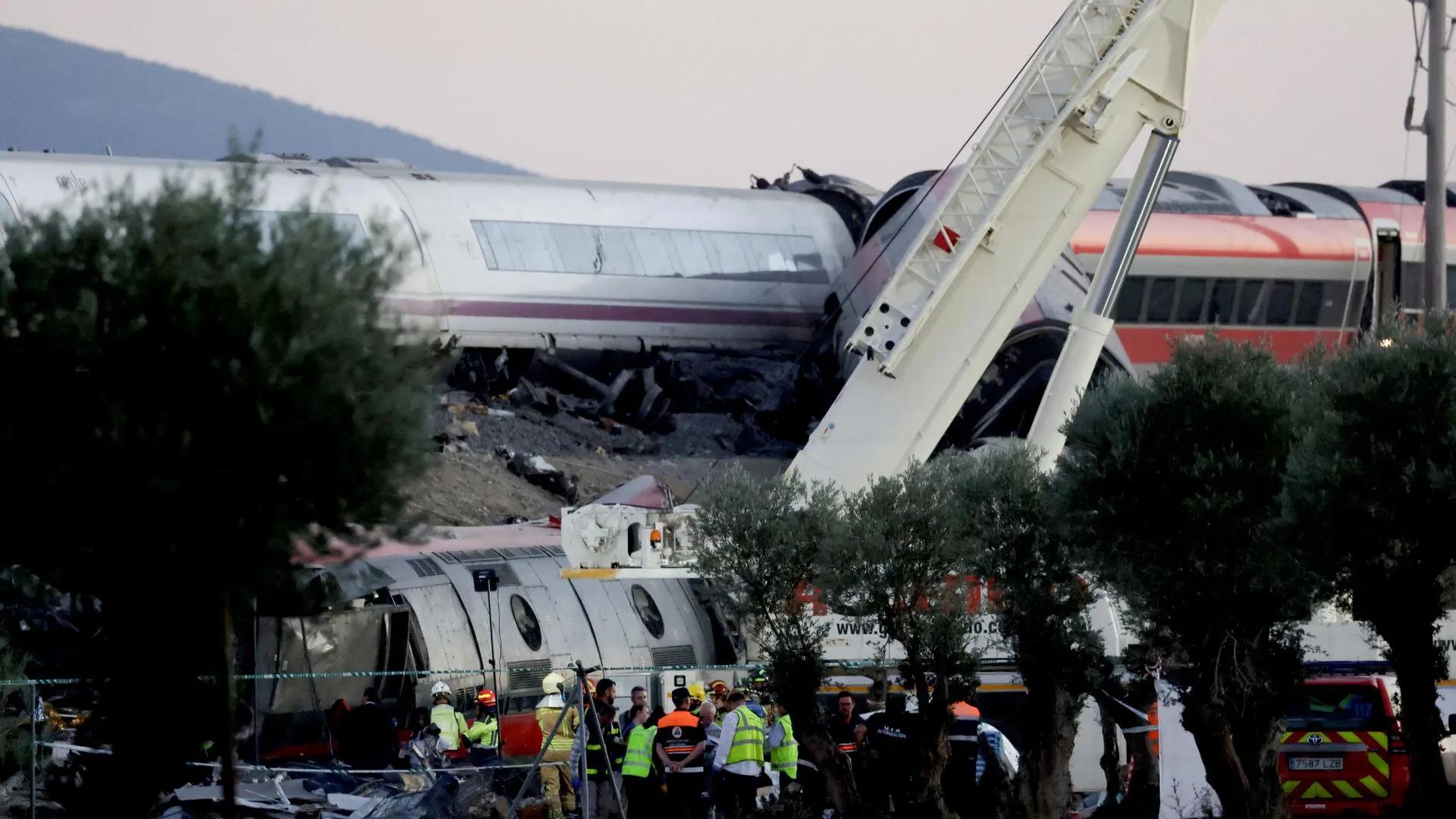
18 Nov. 15:13A railway accident involving two passenger trains occurred near a train station in the Czech capital of Prague, leaving dozens of people injured, according to local media reports.
Law enforcement officials noted that at the time of the crash, one of the trains was carrying roughly 80 passengers, while the other had 10 people on board. While initial reports indicated 15 injuries, national television later updated the figure, stating that the total number of people hurt in the collision had risen to 46.
Blitz