
Playlist
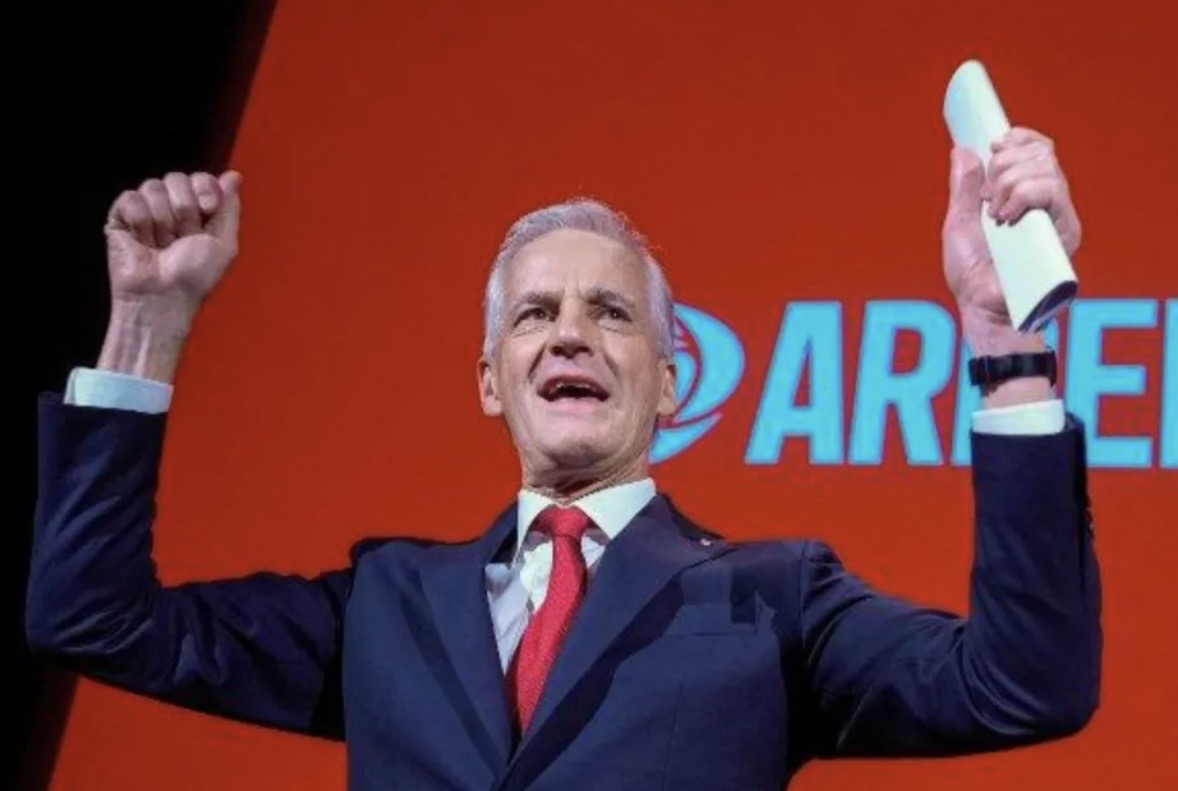
Norway’s incumbent Prime Minister, Jonas Gahr Støre, has officially announced his intention to seek re-election in the upcoming 2029 general elections. Representing the Norwegian Labour Party, Støre aims to secure another term as the head of government, signaling his commitment to the party's long-term social and economic vision. This announcement sets the stage for the country’s political landscape as parties begin to look toward the end of the decade.
By the time the 2029 elections take place, Støre will be 69 years old, making him potentially the oldest person to lead the Norwegian government in over a century. Despite this historical milestone, Støre remains a central figure in Scandinavian politics, characterized by his extensive administrative experience and leadership within the Labour movement. His decision to run again is seen as an effort to provide continuity and leadership during a period of global transition.
In a recent interview with the "TV 2" television channel, Støre expressed confidence in his physical and professional capacity to continue in office. He noted that his health and stamina are sufficient to handle the demanding responsibilities of the premiership. Having led the Labour Party for nearly 12 years, Støre emphasized that his dedication to public service remains as strong as ever, countering any concerns regarding his tenure's duration or age.
Støre’s leadership has focused on strengthening the Norwegian welfare state and navigating complex international energy and security issues. The 2029 election will serve as a critical test of the Labour Party’s ongoing influence and Støre’s personal popularity among the electorate. His early declaration provides clarity for his party's future strategy and solidifies his position as the leading voice of Norwegian social democracy.
Also read

A rye-wheat loaf preserved in a freezer for 36 years has been put on public display as part of the permanent exhibition at the Deutschlandmuseum in Berlin. Dubbed "The Last Loaf of the GDR," it was originally purchased on June 26, 1990, by student Michael Hagedorn, who bought an extra loaf fearing potential food shortages amidst the economic unification of East and West Germany.
The museum's director, Robert Rückel, described the unusual artifact as a unique poignant symbol of everyday human decisions during times of monumental geopolitical change. To maintain its preserved state, the museum installed a custom refrigeration unit where the historical loaf remains permanently frozen for visitors to view.
Blitz