
Playlist
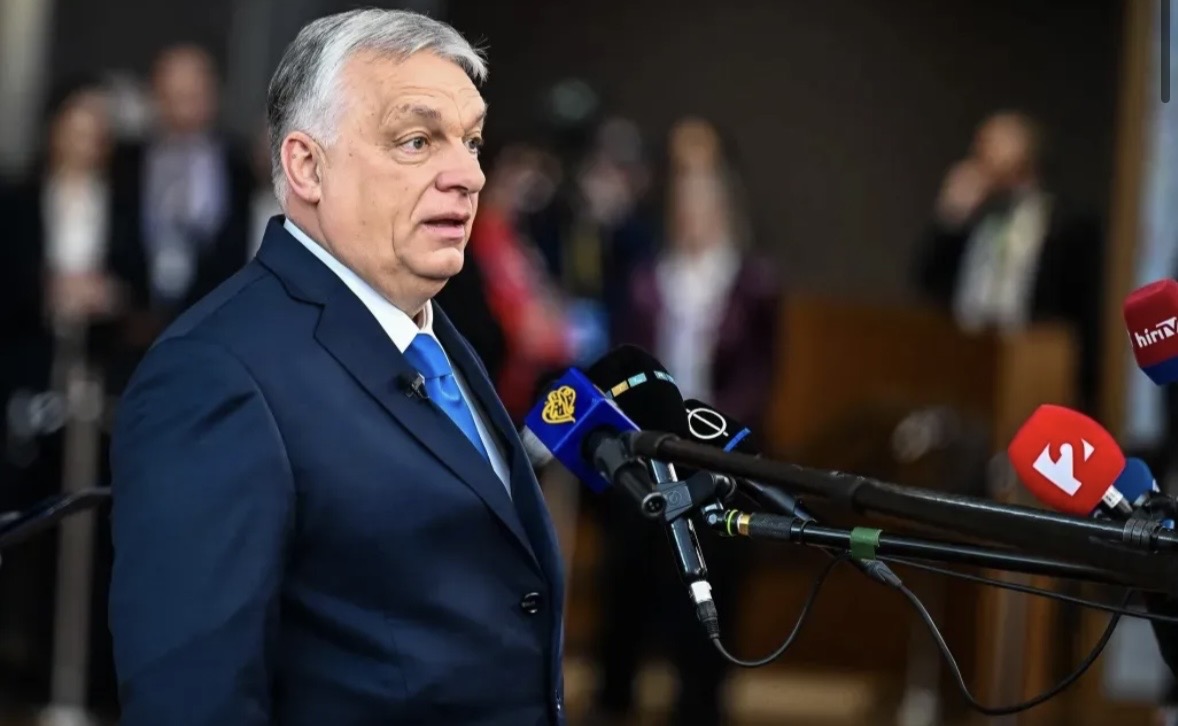
Viktor Orban’s leadership status remains uncertain following party election outcome
29 Apr. 05:32Hungarian Prime Minister Viktor Orban has formally offered his resignation as the leader of the "Fidesz" party following a disappointing performance in the recent parliamentary elections. The move comes as a response to the shifting political landscape in the country, where the ruling party faced unexpected challenges. Despite his request to step down, the party’s leadership has initially declined to accept the resignation.
Reports from the EFE news agency indicate that while Orban's intent to relinquish control was clear, the internal structures of "Fidesz" are not yet ready for such a significant transition. This hesitation suggests that the party is currently undergoing a period of internal reassessment, attempting to balance long-term stability with the need for organizational renewal in the wake of the electoral results.
The election saw a notable rise in support for the "Tisa" party, led by Peter Magyar, which significantly altered the balance of power within the Hungarian Parliament. The emergence of strong political alternatives has placed "Fidesz" under increased scrutiny and pressured its long-standing leadership to address the changing preferences of the electorate. This shift is seen as a pivotal moment in contemporary Hungarian politics.
A definitive decision regarding the party's future leadership and Orban’s role will be reached during the upcoming general congress scheduled for June 13. This gathering will determine whether the party continues under its current leadership or moves toward a new strategic direction. International observers are closely monitoring these developments, as they will define Hungary's domestic and foreign policy trajectory.
Also read



A rye-wheat loaf preserved in a freezer for 36 years has been put on public display as part of the permanent exhibition at the Deutschlandmuseum in Berlin. Dubbed "The Last Loaf of the GDR," it was originally purchased on June 26, 1990, by student Michael Hagedorn, who bought an extra loaf fearing potential food shortages amidst the economic unification of East and West Germany.
The museum's director, Robert Rückel, described the unusual artifact as a unique poignant symbol of everyday human decisions during times of monumental geopolitical change. To maintain its preserved state, the museum installed a custom refrigeration unit where the historical loaf remains permanently frozen for visitors to view.
Blitz