
Playlist
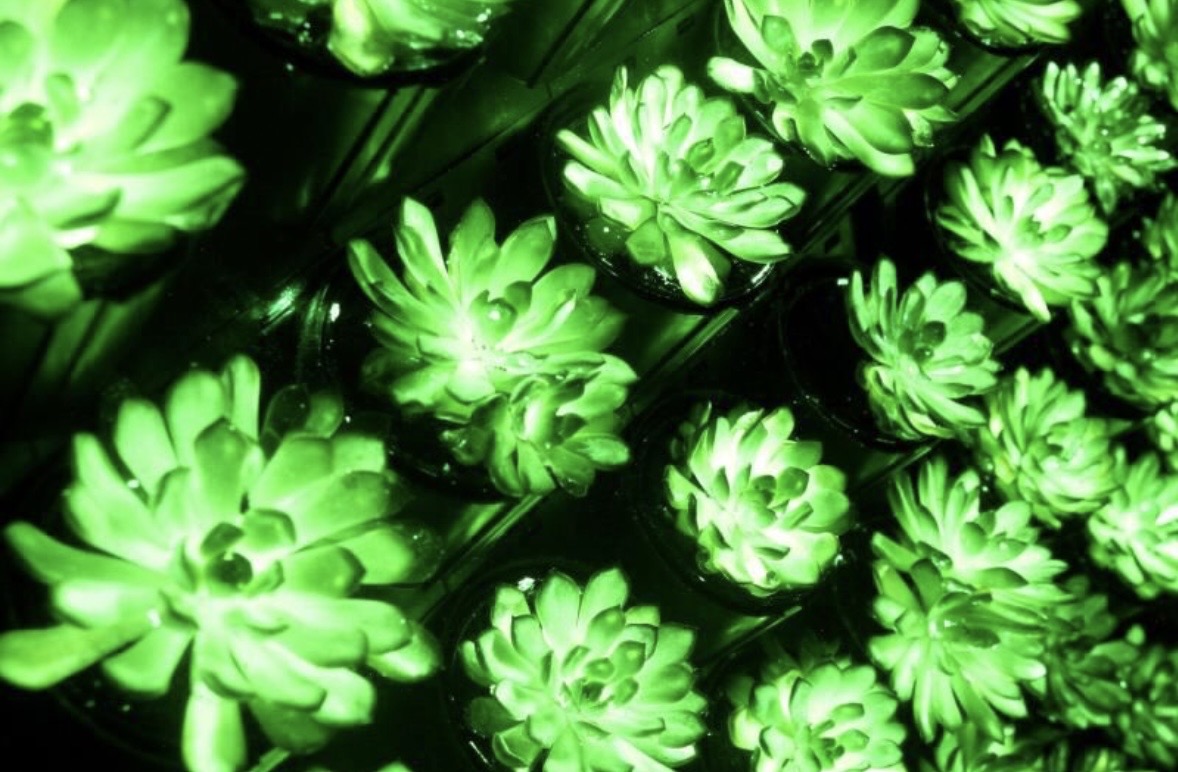
Chinese biotechnologists have unveiled a groundbreaking innovation that could redefine urban lighting: genetically modified plants capable of self-illumination. According to Futurism, this discovery aims to light up parks, public gardens, and tourist districts without relying on traditional electricity. By integrating natural aesthetics with functional utility, the project seeks to create eco-friendly urban spaces where landscape elements serve as sustainable light sources.
The underlying technology involves embedding bioluminescent genes from fireflies and certain species of glowing fungi into plant cells. So far, successful trials have been conducted on over 20 different plant varieties, including sunflowers, orchids, and chrysanthemums. Project founder Li Zhenhan describes the visual impact of these glowing landscapes as something reminiscent of the ethereal world of the movie Avatar, bringing science fiction into reality.
Scientists have developed two primary methods for this "living light" technology. The first is entirely biological, where the plant generates its own light internally and only requires basic nutrients and water to function. The second method uses specialized strontium and aluminum microparticles injected into the leaves. These particles absorb solar energy during the day and release it as light at night, with the added benefit of being able to customize the color of the glow.
The introduction of self-lighting plants is viewed as a major step toward energy efficiency and urban carbon footprint reduction. Beyond their decorative and lighting functions, these plants improve the local environment by absorbing carbon dioxide and providing a natural alternative to electrical infrastructure. This bio-technological advancement marks the beginning of a new era in sustainable urban design, where nature and technology coexist to brighten the future of global megacities.
Also read



A rye-wheat loaf preserved in a freezer for 36 years has been put on public display as part of the permanent exhibition at the Deutschlandmuseum in Berlin. Dubbed "The Last Loaf of the GDR," it was originally purchased on June 26, 1990, by student Michael Hagedorn, who bought an extra loaf fearing potential food shortages amidst the economic unification of East and West Germany.
The museum's director, Robert Rückel, described the unusual artifact as a unique poignant symbol of everyday human decisions during times of monumental geopolitical change. To maintain its preserved state, the museum installed a custom refrigeration unit where the historical loaf remains permanently frozen for visitors to view.
Blitz