
Playlist
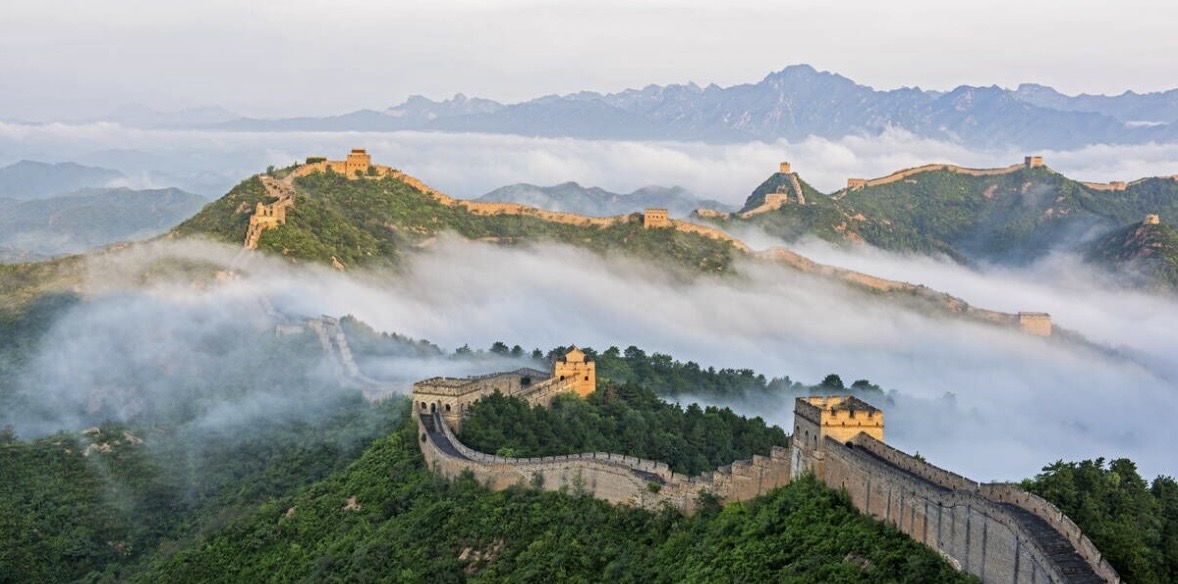
According to a 2025 assessment by UNESCO, approximately 80% of the sites on the World Heritage List are currently at risk of destruction due to climate change. While armed conflicts and political revolutions were historically the primary threats to cultural monuments, today’s major challenges are erosion, extreme heat, and severe storms. These environmental factors are causing irreversible damage to ancient wood and stone structures that have stood for centuries, forcing the international community to rethink preservation strategies.
In Iraq, the cradle of civilization, the Ziggurat of Ur and the ruins of ancient Babylon are suffering from intense heat and soil salinity. The 4,000-year-old brickwork of the Sumerian temple complex is disintegrating from within as salt crystals form inside the ancient bricks due to rising groundwater mineralization. Similarly, in Iran, the historical mosques of Isfahan are facing structural instability. Decreasing groundwater levels have caused the ground to sink, leading to significant cracks in the domes of 9th-century mosques, which UNESCO warns could lead to total collapse.
The iconic Moai statues of Easter Island are also facing an existential threat, with projections suggesting they could be submerged within the next decade. Rising sea levels and increased frequency of flooding threaten more than half of the island’s cultural treasures. This situation endangers not only a unique historical legacy but also the local economy, which is heavily reliant on international tourism. Without immediate defensive engineering, one of the world's most recognizable archeological wonders may be lost forever.
Even the Great Wall of China, stretching over 21,000 kilometers, is losing its structural integrity. Since large sections of the wall were constructed from rammed earth, they are highly susceptible to wind and rain erosion. Currently, only 6% of the wall remains in good condition. To combat this, scientists are proposing the use of "biological crusts" composed of moss and lichens to reinforce the surface. The UNESCO report serves as a stark reminder that climate change is striking at the very roots of human history, demanding global cooperation to safeguard our shared past.



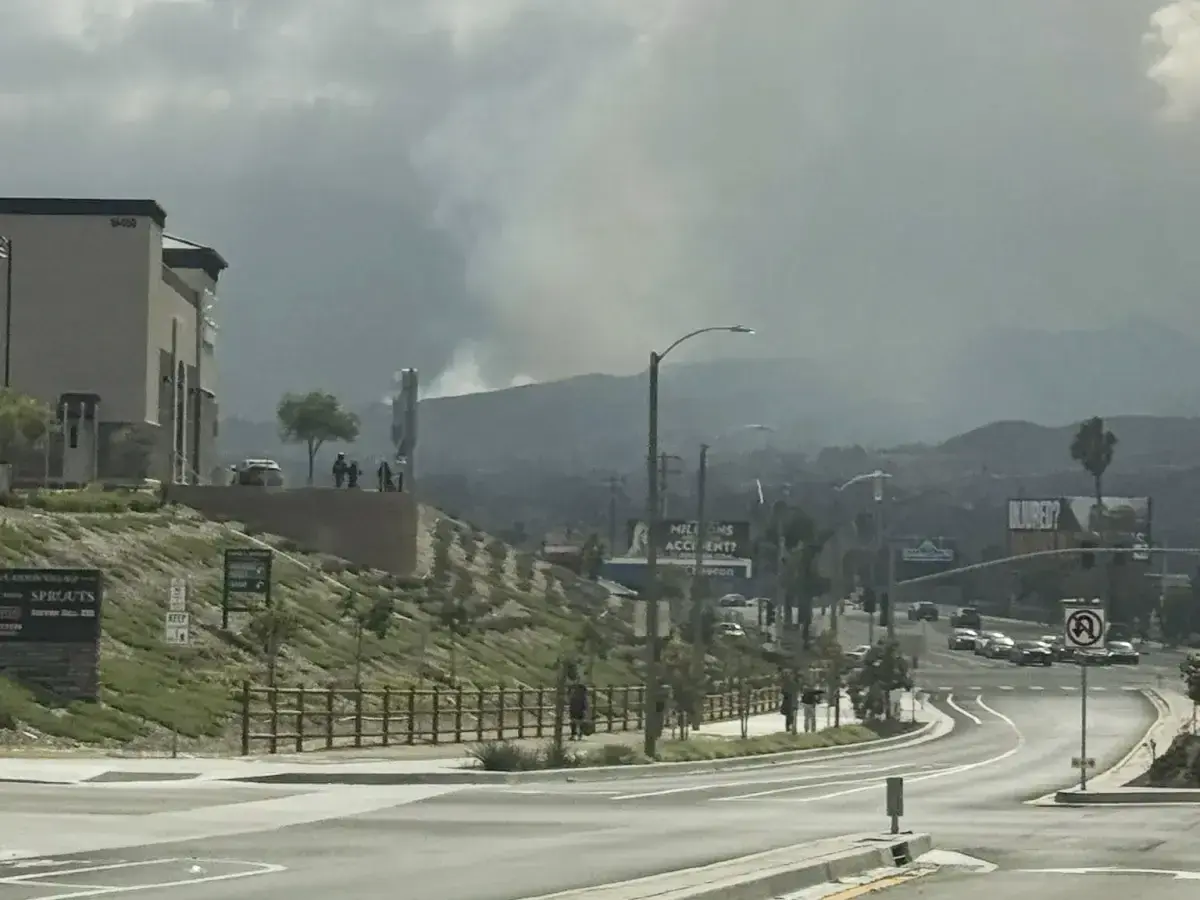
Wildfire Threat in California: Emergency Evacuations Ordered Near Los Angeles
Today in 09:33A fast-moving wildfire named "Bike" broke out near the city of Santa Clarita, just outside Los Angeles, California. Covering over 70 hectares in a short span, the blaze prompted emergency evacuation orders across eight local sectors. A temporary shelter has been established for displaced residents at the College of the Canyons in Santa Clarita while authorities investigate the cause of the fire.
Blitz