
Playlist
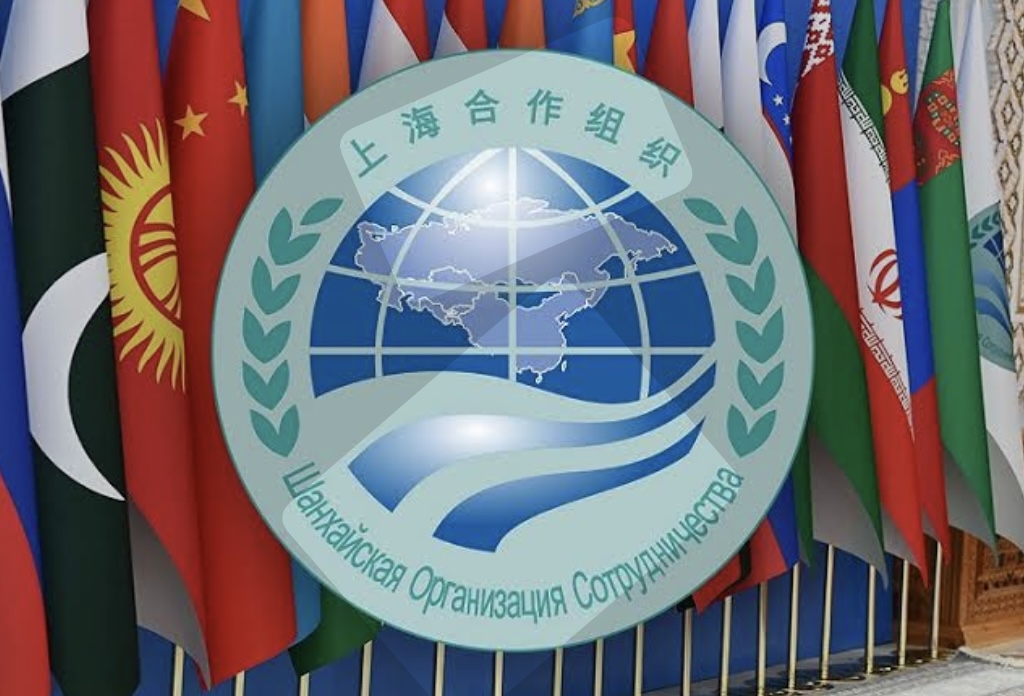
Shanghai Cooperation Organization (SCO): its role and why Turkmenistan takes part in its summits
31 Aug. 13:26The Shanghai Cooperation Organization (SCO) is a regional multilateral institution established in 2001. Its roots go back to the “Shanghai Five” (China, Russia, Kazakhstan, Kyrgyzstan, and Tajikistan), which focused on building security and trust. Later, Uzbekistan, India, Pakistan, Iran, and Belarus joined, bringing the total membership to 10 states.
Key areas of SCO activity:
- Security: combating terrorism, extremism, and transnational crime. The Regional Anti-Terrorist Structure (RATS), based in Tashkent, coordinates this work.
- Economy and infrastructure: development of transport corridors, energy projects, trade links, and investment cooperation.
- Science and cultural exchange: programs on digital transformation, green energy, education, and technology sharing.
In 2025, the SCO Summit is held in Tianjin, China, with its agenda focused on three priorities: security, economic connectivity, and digitalization.
Turkmenistan is not a member of the SCO, as it follows its policy of permanent neutrality. Nevertheless, the country regularly takes part in the organization’s summits as an honorary guest, by invitation of the President of China and other leaders. For Ashgabat, this is an opportunity to advance energy and transport projects, strengthen dialogue on regional security, and deepen cooperation with neighboring states.
Thus, Turkmenistan’s participation in SCO events allows the country to integrate its initiatives into the broader Eurasian context while preserving its independent and neutral status.
Also read
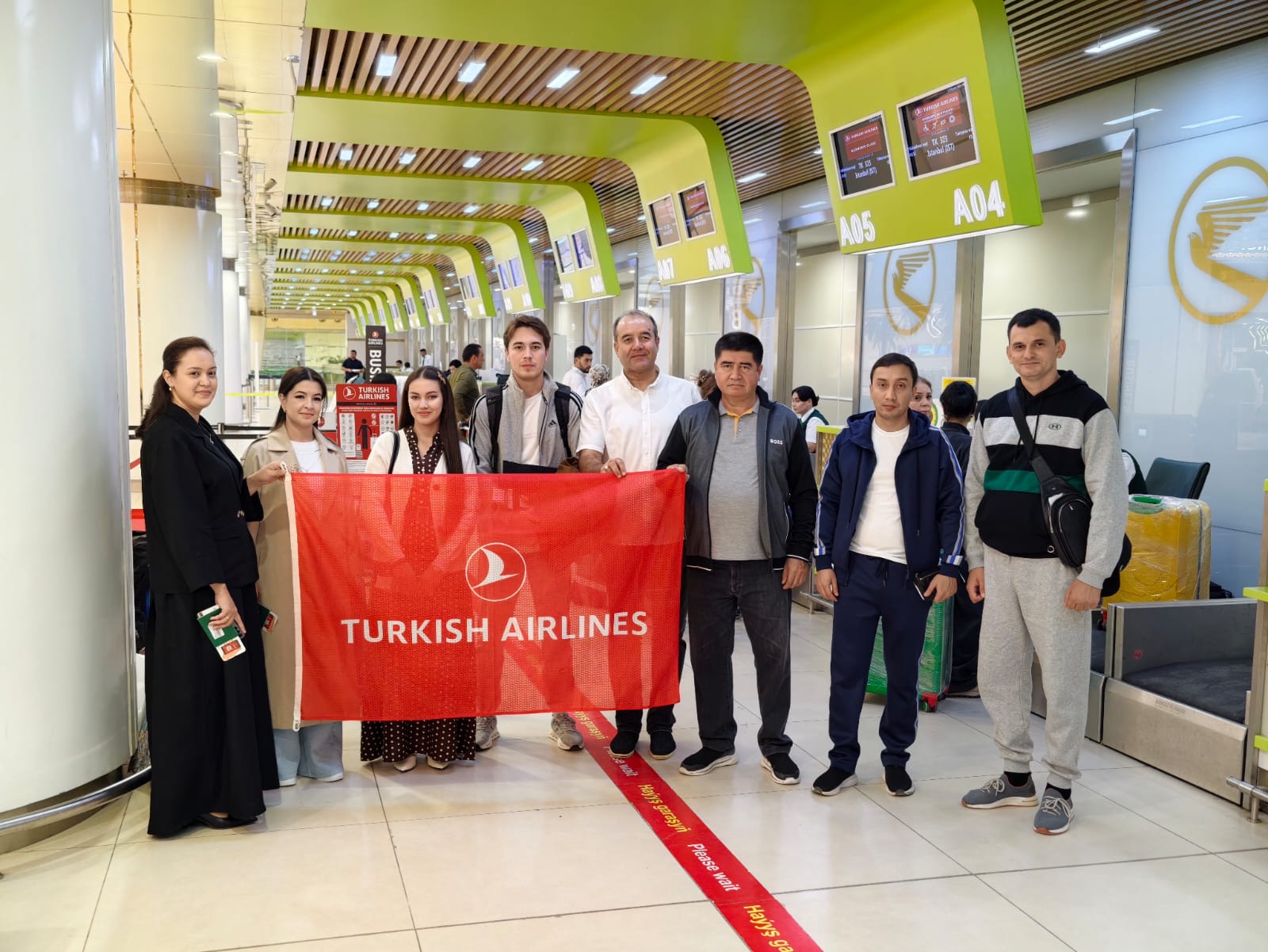
Historic Heritage and Breathtaking Nature: Turkmen Journalists Explore Balıkesir and Çanakkale
11 Oct. 15:20An international press tour for media representatives from Turkmenistan is currently underway in Türkiye, organized by the Türkiye Tourism Promotion and Development Agency (TGA) with the support of the Ministry of Culture and Tourism of the Republic of Türkiye.
The delegation includes journalists and content creators from the country’s leading public and private media outlets.
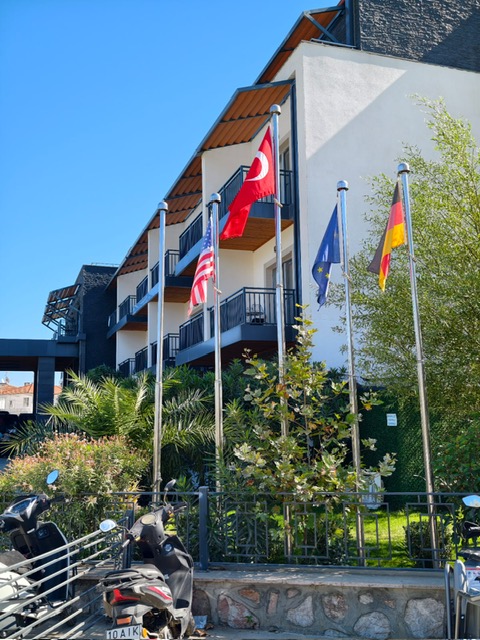
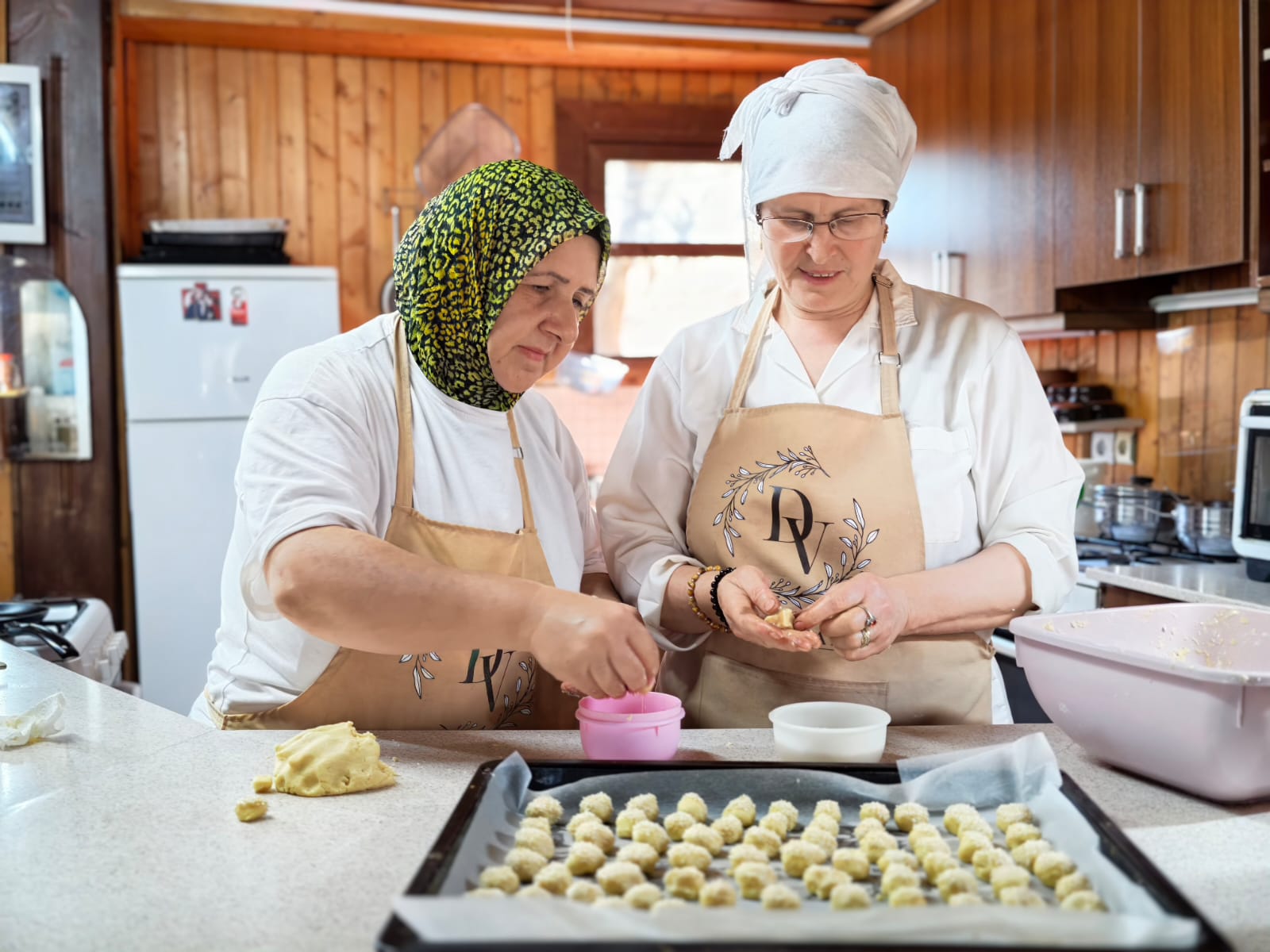
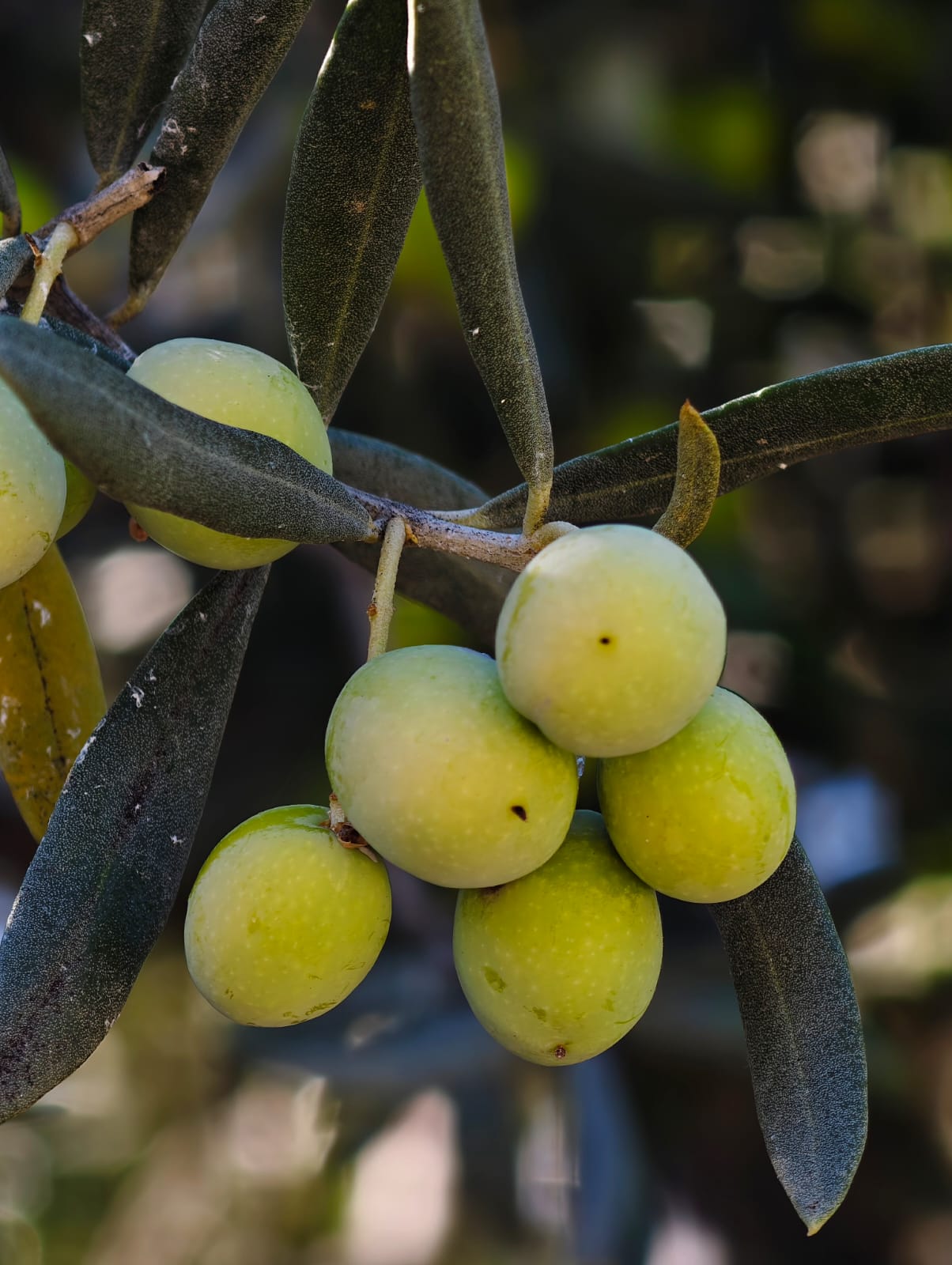
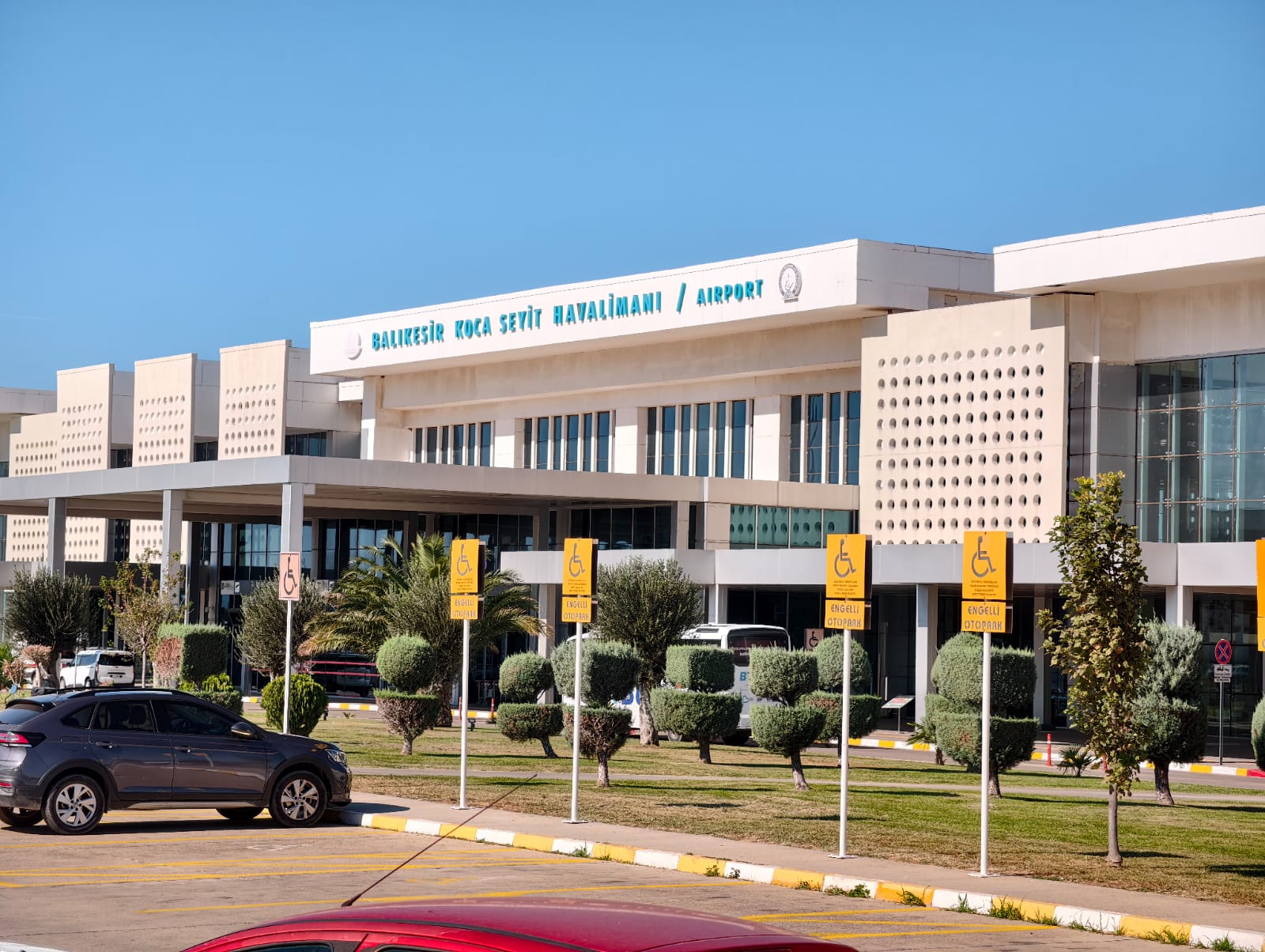
The journey through the Balıkesir region began immediately upon the delegation’s arrival at Koca Seyit Airport. The first stop on the itinerary was the picturesque Manastır Çayı area, followed by a visit to the famous Olive Oil Museum. Here, the journalists were introduced to the centuries-old traditions of olive oil production—a key gastronomic and cultural hallmark of the Aegean coast—before enjoying a walk along the scenic Güre coastline.
A special highlight of the program was an immersive experience in the region's unique natural landscape. Participants embarked on an exciting jeep safari through the Kazdağları National Park (historically known as Mount Ida). The journalists explored the rugged beauty of the Şahindere Canyon, refreshed themselves at ice-cold natural springs, and ascended to the legendary Altar of Zeus, which offers breathtaking panoramic views of the entire region.
In the coming days, the press tour participants will dive into the rich history of the Çanakkale region. The itinerary includes exploring the ancient city of Assos and the Temple of Athena, viewing the iconic Trojan Horse, discovering legendary Troy along with its state-of-the-art museum complex, and paying tribute at the historic sites of Gallipoli and the Çanakkale Martyrs' Memorials.
Such international media initiatives allow Turkmen journalists to gain firsthand insights into modern practices in cultural and eco-tourism, exchange professional experience with Turkish colleagues, and strengthen media collaboration between the two nations.
Blitz