
Playlist
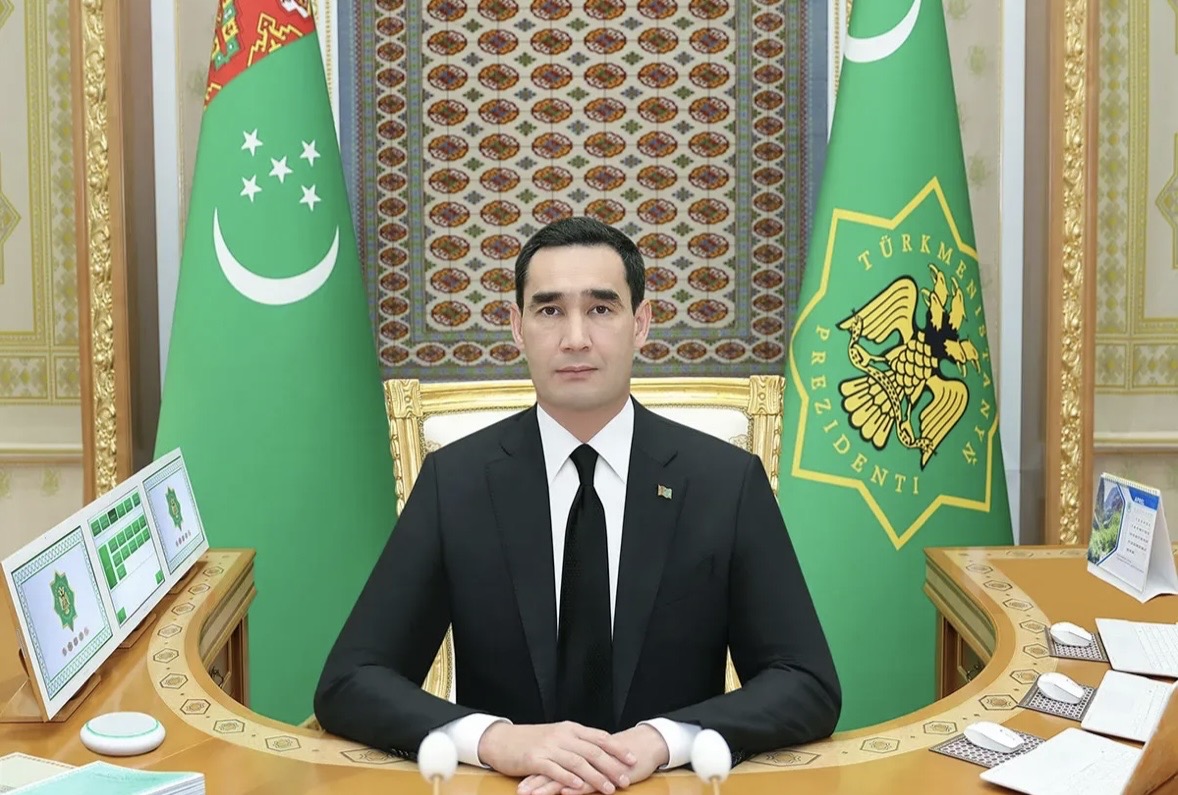
Summary of Turkmenistan's Socio-Economic Development for the First Four Months of 2026
02 May. 04:14During a digital Cabinet of Ministers meeting chaired by the President of Turkmenistan, the government reviewed the country's economic performance from January to April. The key highlight of the report was the steady GDP growth rate, which reached 6.3% during this period. This stability reflects the successful implementation of long-term state programs aimed at diversifying the economy and modernizing industrial infrastructure across all sectors.
The legislative branch reported significant progress in updating the national legal framework during the first third of the year. New laws were enacted to strengthen the protection of citizens' rights, enhance industrial safety standards, and refine financial accounting and reporting systems. Furthermore, legislative updates were introduced in areas such as migration policy, environmental protection, and the management of biological water resources to align with international standards.
Deputy Chairmen of the Cabinet presented comprehensive updates on their respective sectors, including energy, agriculture, and the humanitarian sphere. The reports detailed the execution of previously assigned tasks and the progress of major infrastructure projects. Proposals were also submitted to the Head of State concerning the further development of the national economy, including initiatives to boost export potential and enhance international diplomatic cooperation.
President Serdar Berdimuhamedov emphasized the importance of maintaining the current economic momentum and ensuring the rigorous oversight of all ongoing state programs. He instructed officials to prioritize the qualitative implementation of reforms intended to improve the standard of living for the population. The meeting concluded with the adoption of several key decisions regarding domestic policy and strategic national development goals.
Also read

A rye-wheat loaf preserved in a freezer for 36 years has been put on public display as part of the permanent exhibition at the Deutschlandmuseum in Berlin. Dubbed "The Last Loaf of the GDR," it was originally purchased on June 26, 1990, by student Michael Hagedorn, who bought an extra loaf fearing potential food shortages amidst the economic unification of East and West Germany.
The museum's director, Robert Rückel, described the unusual artifact as a unique poignant symbol of everyday human decisions during times of monumental geopolitical change. To maintain its preserved state, the museum installed a custom refrigeration unit where the historical loaf remains permanently frozen for visitors to view.
Blitz